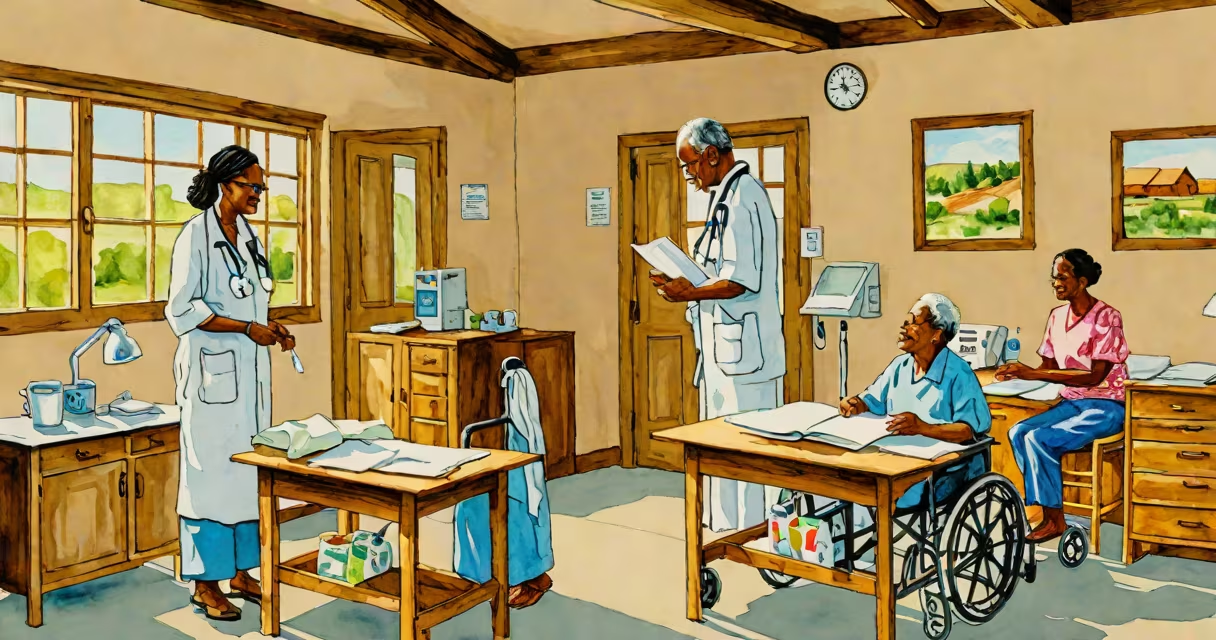
Primary health care is the first point of contact between individuals and the health system, offering complete, affordable, and continuous care focused on prevention, early diagnosis, and treatment of common conditions. It serves as the foundation of a functioning health system, especially in underserved areas.
It is not limited to doctors or hospitals. A primary health care provider may be a nurse, community health worker, or even a trained layperson equipped with basic tools and protocols. The goal is to deliver care where people live, work, and gather-often through clinics, mobile units, or home visits.
The World Health Organization defines primary health care as "essential health care based on practical, scientifically sound, and socially acceptable methods and technology." This means it's effective, low-cost, and culturally appropriate-not reliant on high-tech infrastructure.
Primary health care operates on four core principles: accessibility, affordability, continuity, and comprehensiveness. These ensure patients receive consistent support over time, not just during crises.
When someone has a fever, cough, or minor injury, they visit a local clinic or outreach center. A clinician assesses symptoms, provides treatment, and refers to specialists only if needed. For chronic conditions like diabetes or hypertension, follow-up appointments are scheduled regularly to monitor progress and adjust care plans.
Preventive services are embedded into daily operations. Vaccinations, maternal health checkups, nutrition counseling, and screenings for cancer or heart disease happen routinely. This reduces hospitalizations and long-term complications.
Primary health care relies on a mix of trained personnel, community engagement, and evidence-based guidelines. It is not a single service but a coordinated network of interventions.
Key components include:
For example, in Bangladesh, community health workers known as "Shushil" nurses conduct monthly home visits to monitor children under five. They track growth, administer vaccines, and refer malnourished cases to district hospitals. This model reduced child mortality by 35% in targeted regions between 2010 and 2018, according to a study published in Lancet Global Health.
Primary health care takes different forms depending on geography, population density, and available resources. The following table outlines major models:
| Model | Setting | Key Features | Example |
|---|---|---|---|
| Urban clinic network | City centers | Fixed facilities with multidisciplinary teams | U.S. federally qualified health centers (FQHCs) |
| Rural outreach program | Remote villages | Mobile units, community health workers | India's Accredited Social Health Activist (ASHA) program |
| Integrated family health unit | Suburban neighborhoods | Family doctors managing multiple generations | Canada's Family Health Teams |
| Telehealth-enabled care | Low-resource or isolated areas | Remote consultations via smartphone or radio | Kenya's mPedigree platform linking patients to nurses via SMS |
One model often overlooked is the use of lay health workers in conflict zones. In Yemen, where 60% of health facilities were damaged by 2020, local volunteers trained in basic triage and wound care maintained access to care in besieged towns. Their work kept child mortality rates 20% lower than expected, per a 2021 report by the World Health Organization.
Primary health care improves health outcomes while reducing costs. Countries with strong primary care systems spend less on hospital care and have better life expectancy.
For example, Portugal invested heavily in primary care after 2000. By 2015, its primary care physician-to-population ratio reached 1.8 per 1,000 people-higher than the EU average. As a result, Portugal's rate of avoidable hospitalizations dropped by 40%, according to BMJ Open.
It also promotes equity. When services are close to home, marginalized groups-low-income families, elderly residents, people with disabilities-can access care without traveling long distances or missing work.
Many assume primary health care is just "basic" or "simple" medicine. That's incorrect. It requires skilled coordination, cultural awareness, and ongoing training. A nurse in a remote village in Papua New Guinea must diagnose malaria, manage diabetes, counsel pregnant women, and respond to emergencies-all with limited supplies and no backup.
Another misconception is that primary health care replaces specialty care. It doesn't. It complements it. A patient with suspected lung cancer is screened at a primary clinic, then referred to a radiologist and oncologist. The primary team continues to manage side effects and coordinate follow-ups.
Some confuse it with preventive health care. While both prioritize early intervention, preventive health care focuses narrowly on risk reduction-like flu shots or cholesterol checks. Primary health care includes prevention but also treats existing illness, manages chronic conditions, and addresses social determinants of health.
In 2019, a small town in rural Oregon faced a surge in opioid overdoses. The local primary care clinic responded by integrating addiction counselors into their team, offering naloxone kits, and hosting monthly community forums. Over 18 months, overdose deaths declined by 58%. The clinic also reduced emergency room visits related to substance use by 42%.
This success wasn't due to new technology. It came from consistent, trusted relationships between providers and patients. The clinic staff knew families, tracked patterns, and adapted care in real time. That's the power of primary health care.
Primary health care is not a luxury-it's a necessity. It helps health services reach everyone, not just those who can afford them. It prevents small problems from becoming emergencies. It strengthens communities and reduces strain on national health budgets.
When countries invest in primary health care, they build resilience. The World Health Organization estimates that achieving universal health coverage requires strengthening primary care systems in low- and middle-income nations. Without it, progress toward health equity stalls.
Understanding what is primary health care helps clarify why it's central to global health goals. It's not about grand gestures. It's about steady, reliable care where people live. And that makes all the difference.