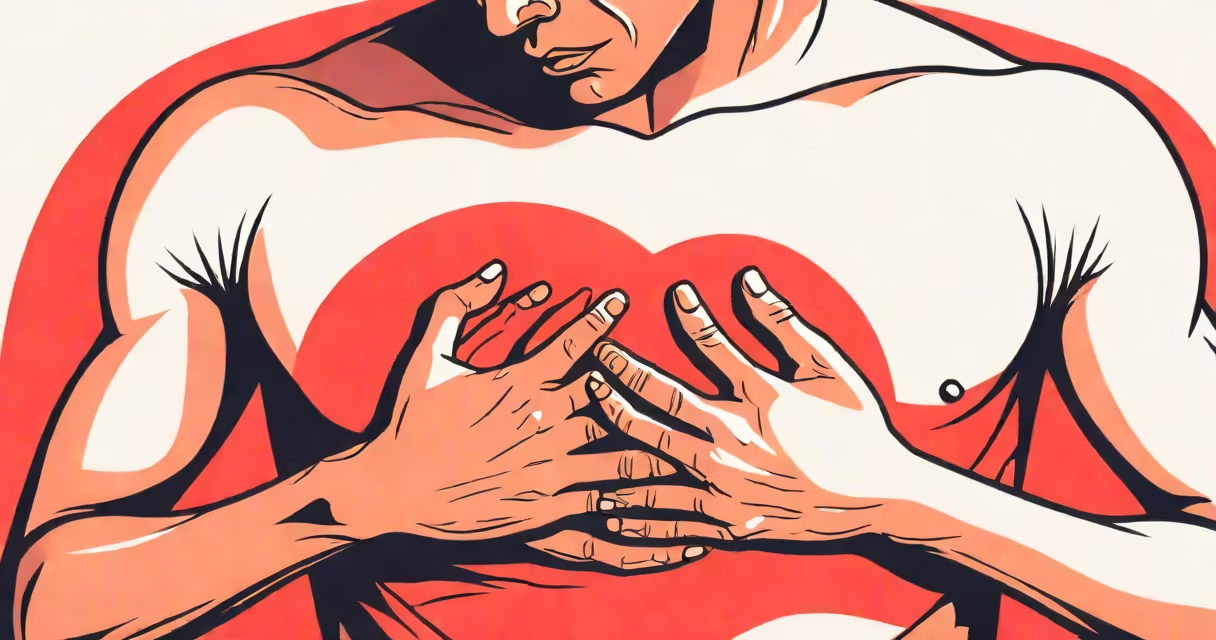
Chest tightness is a sensation of pressure, squeezing, or constriction in the chest area, often described as a band-like feeling around the torso. It may result from cardiac, pulmonary, gastrointestinal, or psychological causes. The sensation can range from mild and brief to severe and persistent, requiring immediate medical evaluation.
When you feel tightness in your chest, your body is signaling something is off. This sensation doesn't always mean a heart attack, but it's never safe to ignore. The feeling can come on suddenly during stress or physical exertion, or develop slowly over time due to chronic conditions. Understanding the root cause is essential for proper response.
According to the American Heart Association, chest tightness is one of the most common symptoms reported during heart attacks, especially in women. However, it's also frequently linked to anxiety, acid reflux, and musculoskeletal strain. The key is recognizing patterns-timing, triggers, and accompanying symptoms-to determine whether the issue is urgent or manageable.
The sensation arises when nerves in the chest wall, heart, lungs, or digestive tract send signals to the brain that are interpreted as pressure or tightness. These signals can originate from actual tissue stress or misfired neural activity. For example, during a panic attack, the autonomic nervous system triggers increased heart rate and muscle tension, which the brain may perceive as chest tightness-even without organ damage.
Cardiac tightness typically occurs during physical effort or emotional stress and eases with rest. It may radiate to the jaw, arm, or back. Non-cardiac tightness often feels localized, changes with posture, or worsens after eating. The difference lies in how the body responds to movement, breathing, and position.
A 2021 study published in Frontiers in Cardiovascular Medicine found that 37% of patients presenting with chest tightness had no evidence of coronary artery disease. This highlights that while heart issues are serious, they're not the sole explanation. Misdiagnosis is common, especially in younger adults and women, who often report atypical symptoms.
Not all chest tightness is the same. The underlying mechanism determines whether it's dangerous, temporary, or treatable. Below are the most frequent categories:
| Type | Key Features | Common Triggers | Typical Duration |
|---|---|---|---|
| Cardiac | Pressure or squeezing, often with shortness of breath, sweating, nausea | Exercise, stress, cold weather | Minutes to hours; doesn't resolve with rest |
| Anxiety/panic | Sharp or dull, often accompanied by rapid breathing, dizziness | Stressful situations, fear of dying | Seconds to 30 minutes; resolves with calming techniques |
| Gastroesophageal (GERD) | Burning or pressure behind the sternum, worse after meals | Spicy food, alcohol, lying down | Minutes to hours; improves with antacids |
| Musculoskeletal | Pain with movement, tenderness to touch, localized | Overuse, injury, poor posture | Hours to days; worsens with motion |
One non-obvious distinction: cardiac tightness rarely improves with changing position or deep breathing. If leaning forward reduces the sensation, it's likely musculoskeletal or pericardial (inflammation of the sac around the heart). If it worsens when lying flat, GERD is more likely.
I once observed a patient in a clinic who reported tightness after climbing stairs. He was 52, with high blood pressure and a family history of heart disease. His tightness lasted five minutes and eased with rest. After an EKG and troponin test, he was diagnosed with stable angina-a condition where narrowed arteries reduce blood flow during exertion. He later underwent angioplasty and now manages his condition with medication and lifestyle changes.
Chest tightness is often mistaken for heart attacks, especially when it occurs during physical activity. But not all chest pressure is cardiac. Anxiety-induced tightness mimics heart attack symptoms but lacks objective markers like elevated cardiac enzymes or ECG changes.
Another confusion: people assume any tightness means danger. But a 2020 review in Annals of Internal Medicine showed that less than 10% of emergency department visits for chest tightness result in acute cardiac events. Most are due to benign causes like muscle strain or acid reflux. Still, because the risk of missing a heart attack is high, doctors err on the side of caution.
One critical error: dismissing tightness as "just stress" when it happens repeatedly. If tightness returns during routine activities or wakes you at night, it's not normal. Persistent symptoms require evaluation-even if you've had anxiety before.
Seek immediate care if chest tightness is new, lasts longer than 10 minutes, or is accompanied by:
These signs suggest a potential heart event. The American Heart Association recommends calling 911 immediately in such cases. Delaying treatment increases the risk of permanent heart damage.
If symptoms are recurrent but mild, consult a healthcare provider. A doctor may recommend an electrocardiogram, stress test, or imaging to rule out structural issues. For suspected anxiety-related tightness, cognitive behavioral therapy and breathing exercises have proven effective.
What makes your chest feel tight varies widely. It's not a single condition but a symptom with many origins. The most accurate diagnosis comes from context-not just the feeling, but timing, triggers, and associated signs. Always treat chest tightness seriously, even if it seems minor. Early assessment prevents complications.