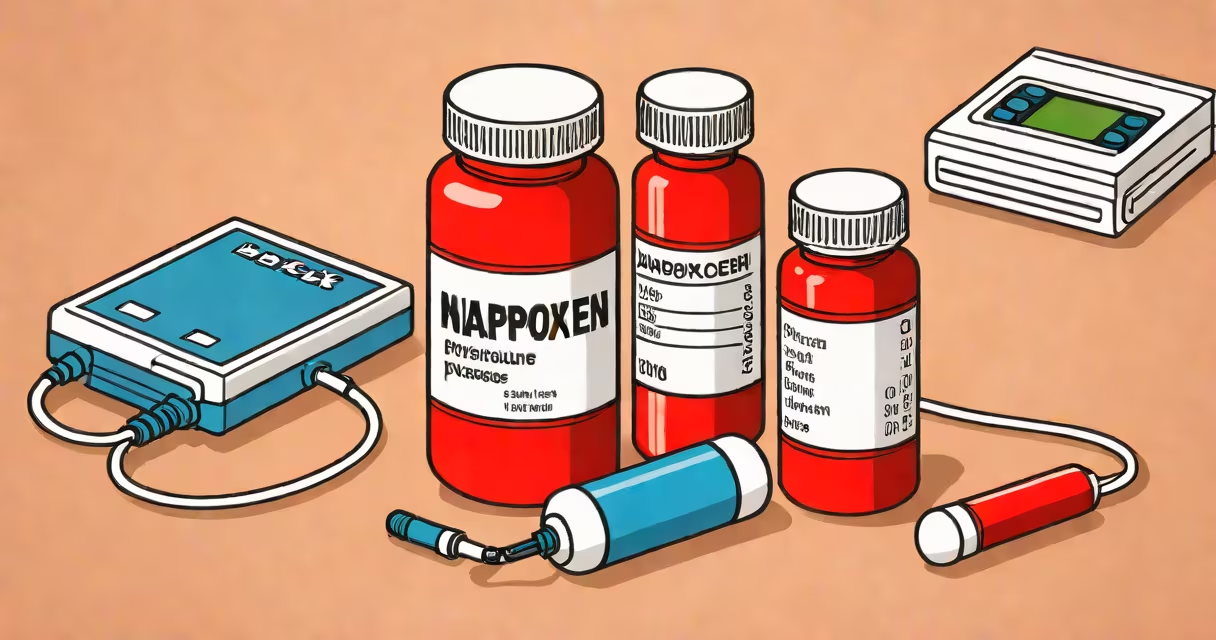
Some prescription and over-the-counter medications increase blood pressure by constricting blood vessels, retaining fluid, or stimulating the nervous system. These effects can worsen existing hypertension or trigger new cases in people with normal baseline readings.
Medications that raise blood pressure do so through physiological mechanisms such as vasoconstriction, sodium and water retention, or increased cardiac output. The effect varies by drug class, dosage, duration of use, and individual patient factors like age, kidney function, and preexisting cardiovascular risk. Even short-term use of certain drugs can cause measurable increases in systolic and diastolic pressure.
According to the American Heart Association, nearly 1 in 5 adults taking antihypertensive medications also uses another drug that may counteract their treatment. This includes common medications like ibuprofen, pseudoephedrine, and corticosteroids. Monitoring blood pressure during concurrent medication use is essential to avoid complications such as stroke, heart attack, or kidney damage.
Drugs that raise blood pressure typically act on the renin-angiotensin-aldosterone system (RAAS), sympathetic nervous system, or renal fluid regulation. For example, nonsteroidal anti-inflammatory drugs (NSAIDs) inhibit prostaglandins that normally dilate blood vessels and promote sodium excretion. When these protective effects are blocked, blood vessels narrow and fluid volume increases, raising resistance and pressure.
Corticosteroids like prednisone stimulate mineralocorticoid receptors, leading to sodium and water retention. They also reduce vascular responsiveness to nitric oxide, a natural vasodilator. This dual action elevates both systolic and diastolic values. Studies show that even low-dose oral steroids can increase mean arterial pressure by 5-10 mmHg within days of initiation.
Decongestants such as pseudoephedrine activate alpha-adrenergic receptors, causing rapid vasoconstriction. This effect is especially pronounced in older adults or those with untreated hypertension. A 2021 study published in Journal of Clinical Hypertension found that 60% of patients using nasal decongestants experienced a rise in systolic pressure exceeding 10 mmHg during a 7-day trial period.
The following categories include drugs known to raise blood pressure. Not all individuals will react the same way, but awareness is critical for safe use.
| Drug Class | Examples | Primary Mechanism | Typical BP Impact |
|---|---|---|---|
| NSAIDs | Ibuprofen, naproxen, celecoxib | Inhibit prostaglandin synthesis → reduced renal perfusion and sodium excretion | Systolic ↑ 5-15 mmHg; diastolic ↑ 3-10 mmHg |
| Decongestants | Pseudoephedrine, phenylephrine | Alpha-1 agonist → vasoconstriction | ↑ 10-20 mmHg systolic in sensitive individuals |
| Corticosteroids | Prednisone, dexamethasone, fluticasone (inhaled) | Mineralocorticoid activity → sodium/water retention | ↑ 5-15 mmHg systolic over 1-2 weeks |
| Antidepressants | SSRIs (e.g., sertraline), SNRIs (e.g., venlafaxine), TCAs (e.g., amitriptyline) | Increased norepinephrine release; alpha-adrenergic stimulation | Variable; up to 10 mmHg systolic in rare cases |
| Stimulants | Amphetamines, modafinil, ADHD medications | Central nervous system activation → increased heart rate and vasoconstriction | ↑ 10-25 mmHg systolic during peak effect |
A key insight often missed: inhaled corticosteroids like fluticasone have lower systemic absorption than oral forms, yet still contribute to blood pressure elevation in long-term users. A 2020 analysis in Respiratory Medicine reported that patients using high-dose inhaled steroids for asthma had a 2.3-fold higher risk of developing stage 1 hypertension compared to non-users.
Many assume only prescription drugs affect blood pressure. Over-the-counter products like cold remedies, weight-loss supplements, and herbal teas can also improve readings. Ephedra-containing supplements were banned in 2004 due to severe hypertensive events, but similar risks persist with unregulated formulations.
Another misunderstanding is that blood pressure changes are always immediate. Some drugs, particularly steroids and certain antidepressants, cause gradual increases over several days to weeks. Patients may not notice symptoms until levels reach dangerous thresholds. The American Society of Hypertension notes that silent hypertension from medication use contributes to 15% of undiagnosed cases in primary care settings.
People often confuse medication-induced hypertension with primary (essential) hypertension. The latter develops slowly with no identifiable cause. Medication-related hypertension appears faster, correlates with drug start date, and often reverses upon discontinuation. Distinguishing between them is important for accurate diagnosis and treatment planning.
In 2019, a 58-year-old man with controlled hypertension began using over-the-counter ibuprofen for knee pain. His home blood pressure readings rose from 128/82 mmHg to 152/94 mmHg within five days. He reported no symptoms but was hospitalized after a transient ischemic attack. Stopping ibuprofen and switching to acetaminophen normalized his pressure within 72 hours.
This case illustrates how a seemingly harmless OTC drug can disrupt blood pressure control. The patient had no prior history of uncontrolled hypertension, but NSAID use disrupted renal autoregulation and increased peripheral resistance. His doctor later confirmed that the rise was directly linked to medication use, not disease progression.
Monitoring blood pressure while taking any new medication-prescription or over-the-counter-is standard practice. Devices like automated oscillometric monitors provide accurate readings at home. Regular checks help catch early signs of elevation before complications occur.
For those managing blood pressure, understanding interactions is important. If you're on antihypertensive therapy, consult your provider before starting any new drug. Some combinations require dose adjustments or alternative treatments.
Understanding what meds raise blood pressure helps prevent avoidable health risks. Always review medication lists with a healthcare professional, especially when adding new prescriptions or OTC products. Awareness reduces the chance of adverse events and supports better long-term outcomes.