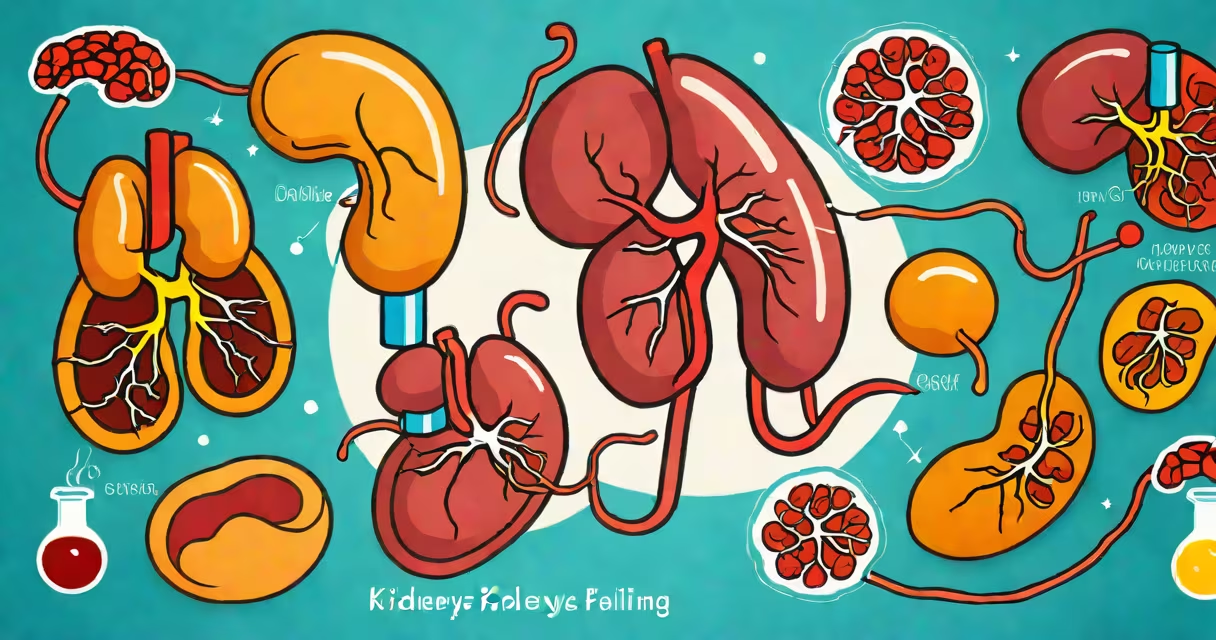
Kidney failure occurs when the organs lose their ability to filter waste, regulate fluids, and maintain electrolyte balance. This condition demands urgent medical attention to prevent life-threatening complications.
There are two primary forms: acute kidney injury (AKI), which develops rapidly over hours to days, and chronic kidney disease (CKD), which progresses slowly over months or years. Both result in the accumulation of toxins and excess fluid in the bloodstream, disrupting important bodily functions.
According to the National Institute of Diabetes and Digestive and Kidney Diseases (NIDDK), AKI affects about 1 in 5 hospitalized patients and increases the risk of death by 30% even after recovery. CKD affects approximately 15% of adults in the U.S., often going undetected until advanced stages.
The kidneys filter about 120 to 150 quarts of blood daily, removing waste products like urea and creatinine. When they fail, these substances build up in the blood-a condition called uremia. This leads to systemic effects: confusion, fatigue, nausea, and eventually seizures or coma.
Failure begins when nephrons-the filtering units in the kidneys-stop functioning. Damage can stem from reduced blood flow (such as during severe dehydration or shock), direct toxicity (from medications like NSAIDs or contrast dye), or underlying diseases such as diabetes or hypertension.
A 2022 study published in Journal of the American Society of Nephrology found that nearly 60% of AKI cases in intensive care units were linked to medication side effects or sepsis. Early recognition of risk factors is key to halting progression.
Early warning signs are often subtle. Fatigue, swelling in the legs or face, frequent urination-or conversely, decreased urine output-are red flags. As failure advances, patients may experience shortness of breath due to fluid overload, persistent itching from high phosphorus levels, or muscle cramps from low calcium.
One patient I observed in a clinic setting reported extreme fatigue and unexplained weight gain over two weeks. Blood tests revealed a creatinine level of 4.8 mg/dL (normal range: 0.6-1.2 mg/dL), indicating severe impairment. He had been taking ibuprofen daily for joint pain without monitoring.
Other indicators include elevated potassium (hyperkalemia), which can cause irregular heartbeats, and metabolic acidosis, leading to rapid breathing. These changes require immediate lab testing and clinical evaluation.
Understanding the root cause determines treatment. The table below outlines the main categories:
| Type | Onset | Primary Causes | Reversibility |
|---|---|---|---|
| Acute Kidney Injury (AKI) | Sudden (hours to days) | Dehydration, sepsis, drug toxicity, obstruction | Often reversible with prompt care |
| Chronic Kidney Disease (CKD) | Gradual (months to years) | Diabetes, hypertension, glomerulonephritis | Progressive; may lead to end-stage renal disease |
AKI accounts for 10-15% of hospital admissions involving kidney issues. CKD, however, is responsible for 90% of new dialysis cases annually. The difference lies in reversibility: AKI may resolve if the trigger is removed quickly, while CKD typically requires long-term management.
A common misconception is that kidney failure always presents with pain. In reality, many patients report no pain-especially in early CKD. Instead, symptoms emerge gradually, masking the severity until significant damage has occurred.
If you suspect kidney failure-especially with sudden swelling, reduced urine output, confusion, or chest pain-seek emergency care. Delaying treatment increases mortality risk.
Initial interventions include IV fluids to restore blood volume, discontinuation of nephrotoxic drugs, and electrolyte correction. For severe cases, dialysis becomes necessary. Hemodialysis uses a machine to filter blood outside the body, typically three times per week. Peritoneal dialysis uses the abdominal lining as a filter and can be done at home.
For patients with advanced CKD, a kidney transplant may be recommended. According to the United Network for Organ Sharing (UNOS), over 100,000 people are currently on the waiting list for a transplant, with average wait times exceeding three years.
One non-obvious fact: early-stage CKD often shows no symptoms, but even mild reductions in kidney function increase cardiovascular risk. A 2021 analysis in NEJM showed that individuals with stage 3 CKD have a 2.5-fold higher risk of heart attack compared to those with normal function.
Regular screening is essential for at-risk groups: people with diabetes, high blood pressure, or a family history of kidney disease. The National Kidney Foundation recommends annual blood tests for creatinine and estimated glomerular filtration rate (eGFR) starting at age 40.
Managing underlying conditions reduces failure risk. Controlling blood sugar in diabetics lowers the chance of diabetic nephropathy by up to 50%. Similarly, keeping blood pressure under 130/80 mmHg slows CKD progression.
Simple lifestyle choices matter. Limiting salt intake to less than 2,300 mg per day (ideally 1,500 mg) helps reduce fluid retention. Avoiding over-the-counter painkillers like ibuprofen and naproxen prevents further kidney strain.
For context, a single dose of NSAIDs can reduce kidney blood flow by up to 30% in vulnerable individuals. Long-term use increases the risk of AKI by 40%, according to research from the University of California, San Francisco.
Do not wait for severe symptoms. If you notice swelling, fatigue, or changes in urination patterns-especially after illness, surgery, or medication use-contact a healthcare provider immediately.
Emergency signs include confusion, chest pain, difficulty breathing, or seizures. These indicate advanced uremia or dangerous electrolyte imbalances requiring hospitalization.
Early detection saves lives. A 2023 review in Annals of Internal Medicine found that patients who received timely diagnosis and treatment for AKI had a 60% lower mortality rate than those whose condition was missed.