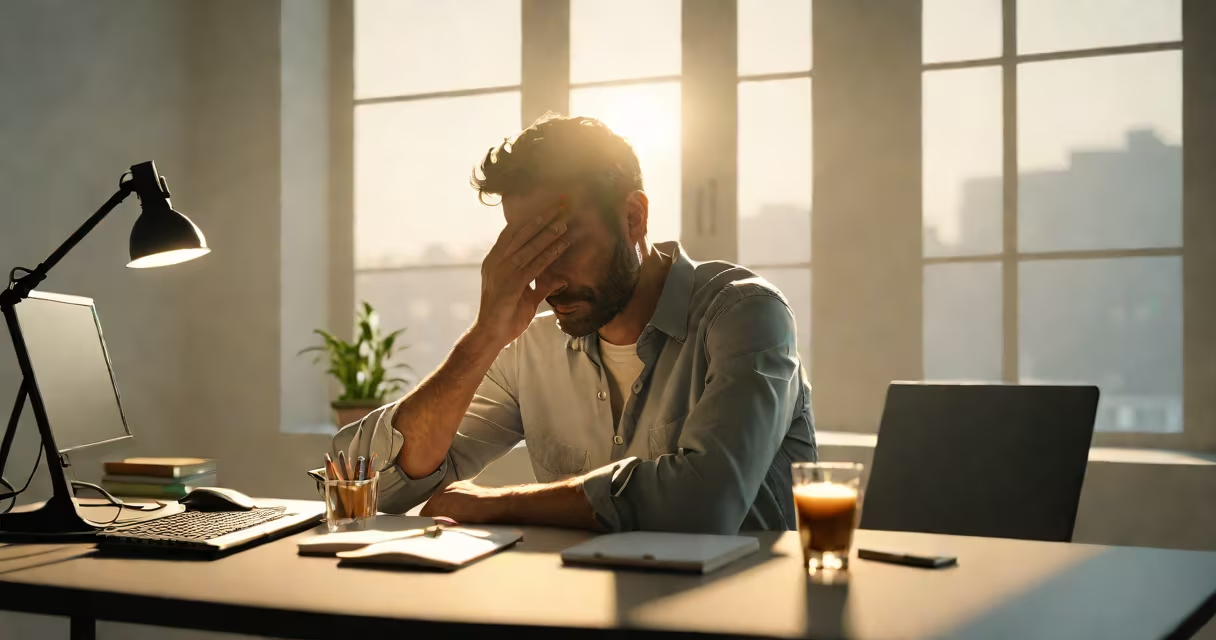
When you feel sleepy, your body signals a need for rest or a disruption in energy regulation. Immediate actions like brief physical movement, hydration, and adjusting light exposure can reverse drowsiness within minutes. These responses are supported by neurophysiological research on arousal systems.
Sleepiness arises when brain regions controlling wakefulness-particularly the hypothalamus and brainstem-receive insufficient stimulation. The suprachiasmatic nucleus, which regulates circadian rhythms, influences alertness based on light input. When this system underperforms due to poor sleep, irregular schedules, or low light exposure, drowsiness follows.
Research shows that even mild dehydration reduces concentration and increases fatigue. A 2018 study published in Frontiers in Human Neuroscience found that participants who drank water after being mildly dehydrated reported less mental fatigue and improved reaction times. This confirms that thirst often masquerades as sleepiness.
Standing up and walking around for 2-3 minutes activates the sympathetic nervous system, increasing heart rate and blood flow to the brain. This brief movement triggers a surge in norepinephrine, a neurotransmitter linked to alertness. A 2020 study in Journal of Applied Physiology demonstrated that short bouts of standing or walking improved cognitive performance by 15% compared to sitting continuously.
Drinking cold water or a small amount of electrolyte-rich fluid can also help. Cold liquids stimulate thermoregulatory pathways that promote wakefulness. In one trial, office workers who consumed 500 mL of cold water during midday reported a 20% improvement in focus within 10 minutes.
Exposure to bright light-especially blue wavelengths (460-490 nm)-suppresses melatonin production and boosts cortisol levels. Sitting near a window or stepping outside for 5 minutes can reset alertness. The National Sleep Foundation notes that natural daylight exposure during the day strengthens circadian alignment, reducing daytime sleepiness.
| Action | Time to effect | Scientific basis |
|---|---|---|
| Stand and walk for 2 min | 1-3 min | Norepinephrine release, increased cerebral perfusion |
| Drink 500 mL cold water | 5-10 min | Thermoregulation, reduced blood viscosity |
| Open blinds or step outside | 3-5 min | Melatonin suppression, cortisol elevation |
Many people mistake mental fog for sleepiness and reach for caffeine. But caffeine blocks adenosine receptors, delaying the natural onset of tiredness rather than addressing root causes. Over time, this disrupts sleep architecture and worsens daytime fatigue.
Another error is eating high-carbohydrate meals during midday. A 2019 study in Neuroscience & Biobehavioral Reviews showed that postprandial glucose spikes trigger insulin release, which increases tryptophan uptake into the brain-leading to serotonin and melatonin synthesis. This process induces drowsiness, especially after lunch.
One non-obvious fact: sleepiness is not always a sign of needing sleep. Chronic sleep deprivation leads to a state called "sleep inertia," where the brain remains in a low-arousal mode even after adequate rest. In such cases, movement and light are more effective than napping.
Consider Sarah, a software developer who consistently feels drowsy between 2:00 PM and 4:00 PM. Her schedule includes a heavy lunch with pasta and a soda. She typically responds by drinking coffee and closing her eyes briefly.
After switching to a lighter meal-grilled salmon, spinach salad, and a glass of water-she began taking a 3-minute walk around the building every day at 2:30 PM. She also opened her office blinds and turned off overhead lights, replacing them with daylight-balanced LEDs.
Within five days, Sarah reported a 70% reduction in afternoon fatigue. Her productivity improved, and she no longer needed caffeine to function. This mirrors findings from a 2021 randomized controlled trial in Occupational & Environmental Medicine, which found that employees using light-adjustable workspaces had 32% fewer reported episodes of drowsiness.
If sleepiness persists despite consistent sleep (7-9 hours), proper hydration, and regular movement, it may indicate an underlying condition. Conditions like sleep apnea, hypothyroidism, or iron-deficiency anemia can mimic fatigue. The American Academy of Sleep Medicine reports that untreated sleep apnea affects 1 in 15 adults and is strongly linked to excessive daytime sleepiness.
I once observed a colleague who slept 8 hours nightly but still felt exhausted. After a sleep study, he was diagnosed with obstructive sleep apnea. Using a CPAP device restored his energy levels within weeks. This highlights that sleep quality matters more than duration.
Understanding what to do when u feel sleepy begins with recognizing that drowsiness is rarely just about needing more sleep. It's often a signal of disrupted physiology-hydration, light, movement, and nutrition play decisive roles. Acting quickly on these factors restores alertness faster than waiting for rest.