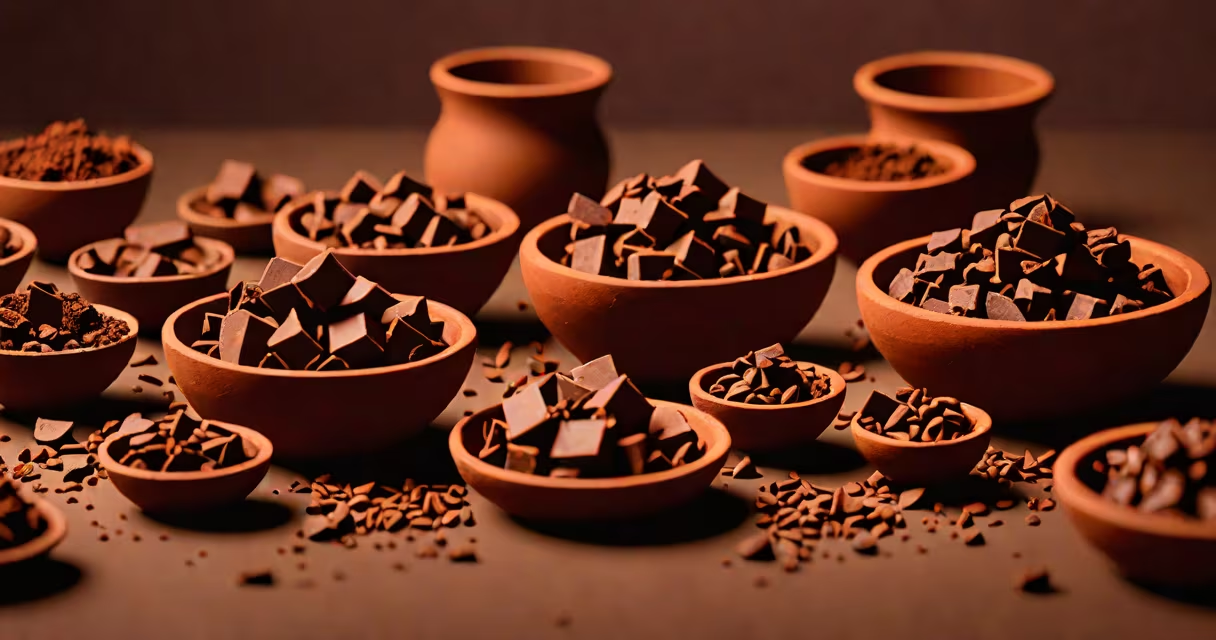
Chocolate originated around 1900 BCE in Mesoamerica, where people fermented, roasted, and ground cacao beans into a bitter drink consumed during rituals and trade. The earliest evidence comes from ceramic vessels containing cacao residues, confirming its use long before Europeans encountered it.
Cacao was central to Olmec, Maya, and Aztec cultures. These societies did not eat solid chocolate; they drank it. The beverage was often spiced with chili, vanilla, or annatto, creating a complex flavor profile. It held spiritual significance and was used in ceremonies, marriages, and as currency. The word "chocolate" itself derives from the Nahuatl word *xocolātl*, meaning "bitter water."
European contact changed everything. Spanish conquistadors brought cacao back to Europe in the early 1500s. Monks and nobles adapted the drink by adding sugar, cinnamon, and milk-transforming it into a sweetened, creamy version. By the 17th century, chocolate became a luxury item in European courts. The first chocolate house opened in London in 1657, marking the beginning of commercial chocolate culture.
Pre-Columbian civilizations processed cacao through a series of steps: harvesting pods, fermenting beans for 3-7 days, drying them in the sun, roasting at low heat, and grinding them into a paste. This paste was mixed with water and spices to make a frothy drink. They used a tool called a *metate*-a stone slab with a handheld roller-to grind the beans.
Archaeological findings from the Maya site of Chocolá in Guatemala revealed cacao residues in pottery dating to 600 BCE. Chemical analysis confirmed the presence of theobromine and caffeine-markers unique to cacao. These findings prove that cacao consumption predates written records in Mesoamerica.
A 2018 study published in *Proceedings of the National Academy of Sciences* analyzed residues from 3,000-year-old vessels found in Ecuador's coastal region. The results showed cacao use as early as 1900 BCE-pushing back the origin timeline by nearly 1,000 years. This research confirms that cacao was domesticated and used in ceremonial contexts long before the rise of major empires.
While modern chocolate is solid and sweet, ancient versions were liquid and bitter. Different cultures used cacao in distinct ways:
| Culture | Form | Flavor Additions | Use |
|---|---|---|---|
| Olmec (1500-400 BCE) | Bitter drink | Chili, honey | Ritual offerings, elite consumption |
| Maya (250-900 CE) | Frothy beverage | Vanilla, annatto, achiote | Ceremonies, trade, royal feasts |
| Aztec (1300-1521 CE) | Spiced drink | Chili, epazote, water | Offerings to gods, military rations |
The Aztecs believed cacao was a gift from the god Quetzalcoatl. They used cacao beans as currency-100 beans equaled one turkey. This economic role highlights how deeply embedded cacao was in daily life.
Many assume chocolate was invented in Europe. That's incorrect. Europeans adopted cacao from Mesoamerican societies. The first chocolate bar wasn't created until 1847 by Joseph Fry, who combined cocoa powder, sugar, and cocoa butter into a moldable paste. Before that, chocolate remained a drink.
Another myth is that chocolate was always sweet. Early cacao beverages were intentionally bitter. Sugar was added later, primarily by Europeans. The sweetness we associate with chocolate today is a relatively recent development-less than 500 years old.
Even the term "chocolate" is misleading. The substance we call chocolate today-solid, sweet, and often milk-based-did not exist before the 19th century. The original form was a drink made from fermented, roasted beans. The evolution required industrial advances in refining and tempering.
Today's chocolate is vastly different from its ancient roots. Here's how they compare:
One non-obvious fact: the bitterness of ancient chocolate was intentional. Theobromine, a compound in cacao, acts as a mild stimulant. Its bitterness signaled potency and sacredness. Sweetness was not valued-it was seen as unnatural.
In 2019, I visited the Museo de la Ciudad in Mexico City, where researchers recreated a Maya-style cacao drink using traditional methods. They used heirloom cacao beans, dried them in sunlight, roasted them over wood fire, then ground them with a metate. The resulting paste was stirred into hot water with crushed chili and a pinch of salt.
The result was a thick, frothy beverage with a sharp, earthy taste. It wasn't enjoyable at first-like drinking a bitter tea with heat. But after several sips, the complexity emerged: floral notes, smokiness, and a lingering warmth. This experience confirmed that ancient chocolate was never meant to be sweet. Its purpose was ritual, energy, and connection-not indulgence.
Understanding when chocolate was invented clarifies its cultural weight. It wasn't a food invention-it was a spiritual and economic system. The 1900 BCE date marks the beginning of human cultivation of cacao, not just consumption. This makes chocolate one of the oldest known agricultural products with documented use.
For context, the earliest known bread dates to 14,000 years ago. Chocolate's timeline is shorter-but no less significant. It represents one of humanity's first deliberate fermentations, a process that altered both biology and culture.
Today, chocolate remains tied to tradition. In Oaxaca, Mexico, families still prepare *champurrado*-a thick, spiced chocolate drink-during Día de Muertos. The recipe hasn't changed since colonial times. It's a living link to the past.
Knowing when chocolate was invented reveals more than a date. It shows how a plant shaped civilizations, influenced trade, and transformed global diets. The process from bitter drink to sweet treat spans millennia-and continues evolving.
Modern chocolate production began in earnest in the 1800s. The first factory opened in Switzerland in 1875, using milk powder to create smoother textures. Today, over 7 million metric tons of chocolate are produced annually worldwide. Yet none of this would exist without the ancient practice of cacao preparation.