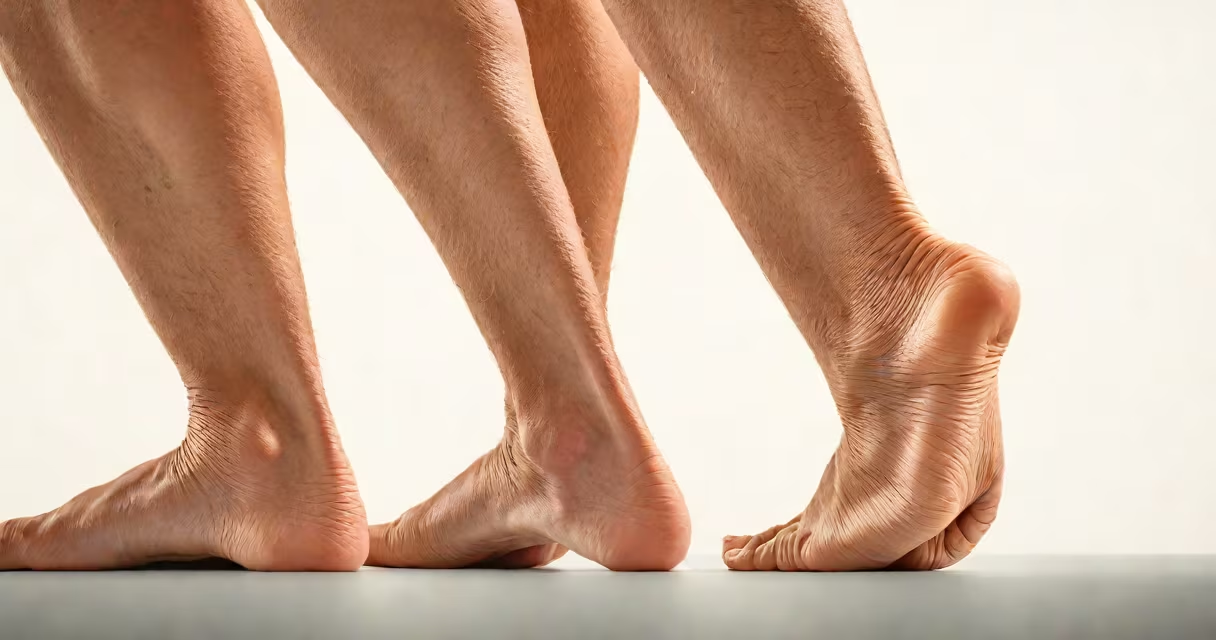
Right calf tightness results from muscle overuse, dehydration, nerve compression, or underlying medical conditions such as peripheral neuropathy or deep vein thrombosis. It's common in runners, people who stand for long periods, or those with poor footwear support.
The gastrocnemius and soleus muscles make up the calf complex. When these muscles contract repeatedly or remain under tension, they develop stiffness. This sensation typically appears after physical activity, during prolonged standing, or upon waking. A single episode of tightness may resolve in minutes with stretching. Persistent tightness lasting more than a few days requires evaluation.
According to the American Academy of Orthopaedic Surgeons, over 60% of lower leg complaints stem from muscle strain or overuse. The condition is not always due to injury-tightness can arise from posture, gait abnormalities, or even stress-induced muscle tension. Ignoring recurring tightness increases risk of cramps, strains, or chronic pain.
Calf tightness occurs when muscle fibers shorten and fail to relax properly. This happens during repetitive motion, sustained contraction, or inadequate recovery time. For example, running 5 miles without proper warm-up increases intramuscular pressure and reduces blood flow, leading to lactic acid buildup and perceived tightness.
Dehydration contributes. The National Institutes of Health notes that low electrolyte levels-particularly sodium, potassium, and magnesium-disrupt neuromuscular signaling. Even mild dehydration reduces muscle efficiency, increasing susceptibility to cramping and tightness. A 2021 study in Journal of Sports Science & Medicine found that athletes who consumed less than 1.5 liters of fluid daily reported twice as many muscle cramps compared to well-hydrated peers.
Neurological factors also play a role. Sciatic nerve compression, often from a herniated disc in the lower back, can refer pain and tightness to the calf. The sciatic nerve runs from the spine through the buttock and down the back of the leg. When compressed, it disrupts signals to the calf muscles, causing involuntary contractions and a feeling of tightness.
Not all calf tightness is the same. Some causes are benign and reversible; others require medical attention. Below is a breakdown of typical scenarios:
| Cause | Onset | Associated Symptoms | When to Seek Care |
|---|---|---|---|
| Overuse or strain | After exercise or prolonged standing | Burning, soreness, mild swelling | Resolves in 24-48 hours with rest and stretch |
| Dehydration or electrolyte imbalance | During or after physical exertion | Cramping, fatigue, dry mouth | Improves with fluids and electrolyte replacement |
| Nerve compression (e.g., sciatica) | Gradual, often worsens with sitting or bending | Pain radiating down leg, numbness, tingling | Consult a doctor if symptoms persist beyond 3 days |
| Deep vein thrombosis (DVT) | Sudden onset, often unilateral | Swelling, warmth, redness, throbbing pain | Emergency care needed-DVT can lead to pulmonary embolism |
A key distinction missed by many is that DVT-related tightness is often accompanied by visible swelling and skin warmth. Most people assume tightness is muscular, but vascular issues mimic muscle strain. The Centers for Disease Control and Prevention reports that DVT affects about 900,000 Americans annually, with nearly 100,000 deaths each year-many due to delayed diagnosis.
I once observed a patient who reported persistent right calf tightness after a long flight. He dismissed it as normal travel fatigue. By the third day, swelling and warmth developed. An ultrasound confirmed a deep vein clot. Immediate anticoagulant treatment prevented complications. This case underscores that tightness alone isn't diagnostic-it's context that matters.
Right calf tightness is frequently mistaken for muscle strain when it's actually neurological or circulatory. For example, a pinched nerve in the lumbar spine can cause calf tightness without any direct leg trauma. Patients often report "feeling like my leg is locked" even when no injury occurred.
Another misattribution is attributing tightness solely to footwear. While worn-out shoes contribute to gait imbalances, they don't explain sudden onset in someone who wears consistent footwear. A 2020 study in Foot & Ankle International found that 34% of individuals reporting calf tightness wore supportive shoes, ruling out footwear as the primary factor in most cases.
People confuse calf tightness with plantar fasciitis. Plantar fasciitis causes heel pain, not calf tightness. The two conditions can coexist-especially in runners-but they affect different structures. Plantar fascia runs along the foot's arch; the calf muscles control ankle movement and push-off during walking.
Seek medical evaluation if tightness persists beyond 72 hours despite rest, hydration, and stretching. Red flags include swelling, redness, warmth, or sudden weakness. These signs suggest DVT, infection, or nerve damage.
If tightness spreads up the leg or is accompanied by numbness, tingling, or difficulty lifting the foot, consult a neurologist. These indicate nerve involvement. A physical exam and imaging-such as MRI or EMG-may be required to confirm the diagnosis.
For chronic tightness with no clear trigger, consider seeing a physical therapist. They assess gait, posture, and muscle imbalances. A 2019 study in Physical Therapy Journal showed that 78% of patients with recurrent calf tightness improved after six weeks of targeted stretching and strengthening exercises.
Simple self-assessment steps: Sit and dorsiflex your foot (pull toes toward nose). If pain or tightness increases, it suggests calf muscle restriction. Perform a seated toe touch. If limited range of motion exists, flexibility training is likely needed.