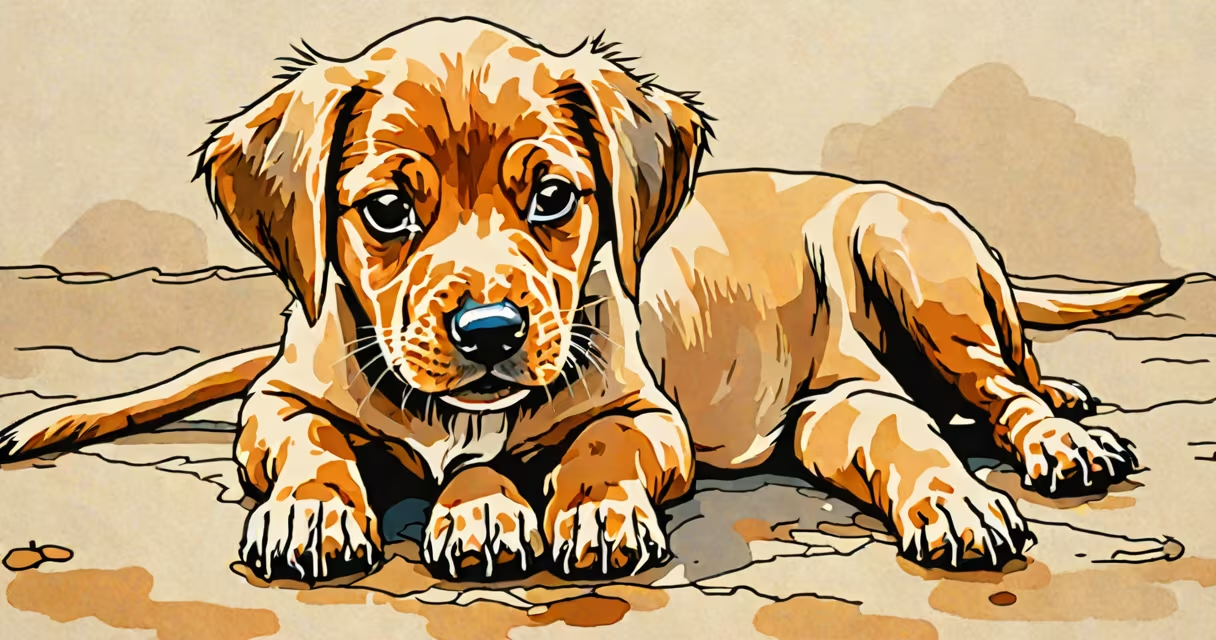
Soft or loose stools in puppies result from digestive upset due to diet changes, parasites, bacterial imbalances, or viral infections. This condition is common in young dogs under six months old, especially during weaning or when transitioning to new food.
Puppies have immature digestive systems. Their gut microbiome hasn't stabilized yet, making them sensitive to sudden shifts in food, treats, or environmental stress. A single meal of table scraps or a new kibble brand can trigger soft feces within 12 to 24 hours. The stool may appear mushy, watery, or mucus-coated, and often has a stronger odor than normal.
According to the American Kennel Club, up to 30% of puppies experience mild gastrointestinal disturbances during their first few months. Most resolve within 24 to 48 hours with dietary adjustment and hydration. Persistent soft stools beyond two days, especially with blood, vomiting, or lethargy, require veterinary evaluation.
When a puppy eats, food moves through the esophagus into the stomach, then into the small intestine where nutrients are absorbed. The remaining material enters the large intestine, where water is drawn out and stool forms. Soft poop occurs when this process is disrupted-either too quickly or with insufficient water absorption.
Common disruptions include rapid transit due to inflammation, poor digestion from enzyme deficiency, or excessive fermentation caused by undigested carbohydrates. For example, a puppy fed a high-carbohydrate kibble may develop soft stool because the colon cannot absorb enough water before the waste exits.
A 2022 study published in Veterinary Microbiology found that 68% of puppies with soft stool had detectable levels of *Clostridium* species in their fecal samples. These bacteria produce toxins that irritate the intestinal lining, leading to increased fluid secretion and looser stools. This highlights that even healthy-looking puppies can carry gut pathogens without showing severe symptoms.
Soft poop isn't one condition-it's a symptom with several underlying causes. Identifying the root issue guides treatment.
| Type | Common Causes | Duration | Red Flags |
|---|---|---|---|
| Diet-related | New food, treats, table scraps, sudden diet change | 12-48 hours | Normal appetite, no fever |
| Infection-related | Parvovirus, giardia, salmonella, *Clostridium difficile* | More than 2 days | Blood, vomiting, weakness, dehydration |
| Parasitic | Roundworms, hookworms, coccidia | Varies; often persistent | Weight loss, bloating, mucus in stool |
| Food intolerance | Lactose, gluten, certain proteins | Recurring after exposure | Itchy skin, gas, recurring soft stool |
One non-obvious distinction: soft stool from dietary causes rarely includes blood or mucus. When those appear, infection or parasitism is likely. Blood in stool-especially dark, tarry material-is a sign of upper GI bleeding and requires immediate attention.
I once observed a 10-week-old Dachshund puppy with soft stool after being given a piece of chicken liver from the owner's plate. Within four hours, the stool became liquid and yellowish. After withholding food for 12 hours and offering only water and bland boiled rice, the stool normalized by the next morning. This case illustrates how even small human food exposures can disrupt a puppy's delicate gut balance.
Many owners assume soft stool is always a sign of illness. But mild cases are often temporary and harmless. The key is context: frequency, consistency, behavior, and presence of other symptoms.
Another misconception is that probiotics alone fix chronic soft stool. While beneficial, they don't address underlying issues like food allergies or intestinal parasites. A 2021 review in Frontiers in Veterinary Science showed that probiotic supplementation improved stool quality in only 42% of puppies with mild diarrhea-meaning nearly half saw no benefit without addressing the root cause.
Some owners treat soft stool with over-the-counter human anti-diarrheals. This is dangerous. Medications like loperamide can paralyze the intestines, leading to toxin buildup and life-threatening ileus in puppies. Always consult a veterinarian before administering any medication.
Soft poop becomes concerning when it lasts longer than 48 hours, contains blood, or is accompanied by lethargy, vomiting, or loss of appetite. Puppies dehydrate quickly-within 12 hours of reduced fluid intake, signs like sunken eyes and dry gums appear.
If your puppy has soft stool with visible blood, seek veterinary care immediately. Parvovirus, a highly contagious virus, often presents with bloody, foul-smelling diarrhea and can be fatal without treatment. Early diagnosis increases survival rates above 90%, according to the Cornell University College of Veterinary Medicine.
For persistent soft stool despite dietary changes, a fecal flotation test can detect parasite eggs. A PCR test may identify *Clostridium* or *Giardia*. These tests are essential because symptoms overlap-what looks like food sensitivity may actually be a parasitic infection.
Start with a 12-hour fast. Withhold food but offer small amounts of water or diluted electrolyte solution. Reintroduce food slowly-start with 1/4 cup of boiled white rice and 1/4 cup of boiled lean ground chicken. Feed small portions every 3 hours over 24 hours.
After stabilization, switch to a high-quality, limited-ingredient puppy food. Avoid grain-heavy kibbles. Look for brands with named meat sources (e.g., "chicken" not "animal protein") and no artificial preservatives. Transition over five days by mixing increasing amounts of new food with old.
Monitor stool consistency daily. If it remains soft after three days of bland diet, contact your vet. If it improves, gradually reintroduce regular food over another five days.
Keep your puppy away from other animals until the stool stabilizes. Some infections spread rapidly in multi-dog households. Clean all bowls, bedding, and toys with a pet-safe disinfectant.
For ongoing concerns about odor, explore why puppy poop smells so bad. Strong odors often indicate bacterial overgrowth or poor digestion-not just "normal puppy smell."
Understanding why your puppy has soft poop begins with recognizing it as a symptom, not a disease. Most cases resolve with diet control and time. But when red flags appear, prompt action prevents complications. Stay observant, act early, and trust your vet when needed.