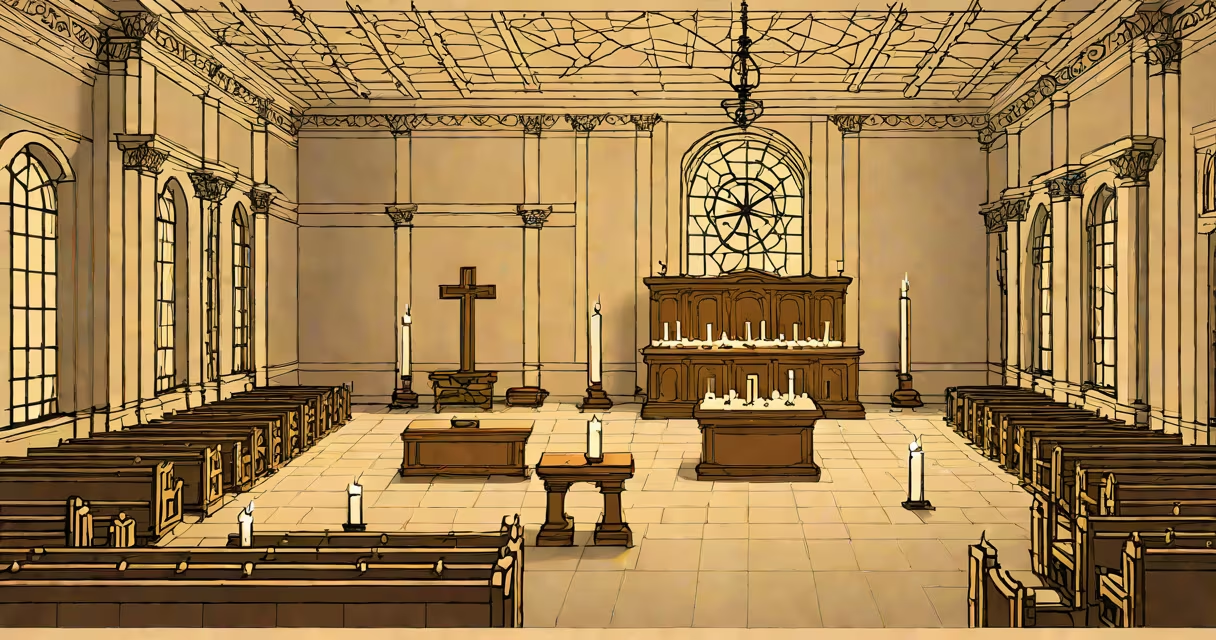
Yom Kippur what is it? It is the holiest day in the Jewish calendar, a 25-hour period of fasting, prayer, and introspection centered on atonement for sins committed against God and others. Observed annually on the 10th day of Tishrei, it marks the culmination of the High Holy Days, following Rosh Hashanah.
Yom Kippur begins at sunset on the ninth day of Tishrei and ends at nightfall the following day. The day is observed through five core practices: fasting from food and drink, refraining from work, abstaining from bathing and anointing, avoiding leather footwear, and limiting sexual relations. These restrictions create a state of physical and emotional focus, allowing participants to confront personal failings and seek reconciliation.
The central theme of Yom Kippur is teshuvah-repentance. Unlike other religious days that emphasize ritual or celebration, Yom Kippur centers on internal transformation. Individuals reflect on their actions over the past year, identify specific transgressions, and commit to change. The day includes multiple prayer services: Kol Nidre at night, Shacharit in the morning, Musaf after lunch, Mincha late afternoon, and Ne'ilah just before sunset, when the gates of heaven are believed to close.
Yom Kippur operates on the principle that human beings are imperfect and capable of moral failure. The day provides a structured structure for acknowledging wrongdoing, expressing remorse, and seeking forgiveness- from people harmed by one's actions. This dual process of apology and restitution is essential to achieving spiritual renewal.
Prayer services follow a set liturgy known as the siddur. The most intense part occurs during Ne'ilah, when worshippers stand throughout the service, symbolizing the urgency of pleading for divine mercy before the day ends. The final moment features the shofar blast-a single, long sound that signals the close of the sacred time and the beginning of a new spiritual cycle.
Modern observance varies. Orthodox Jews observe the full 25-hour fast strictly. Conservative and Reform communities may modify the duration or intensity based on health concerns, though the core elements remain. Some individuals attend services only, while others engage in extended personal reflection or community service as part of their observance.
Yom Kippur is composed of ritual acts, theological concepts, and communal participation. Its structure is rooted in biblical law found in Leviticus 16 and 23:26-32, which commands a day of "affliction of the soul" and forbids labor. The rabbis later expanded these laws into detailed halakhot (Jewish legal rulings) governing behavior during the day.
The day's spiritual architecture rests on three pillars: confession (vidui), prayer (tefillah), and repentance (teshuvah). Confession involves reciting a list of sins aloud, often in the plural form ("we have sinned"), emphasizing collective responsibility. Prayer focuses on themes of divine judgment, mercy, and restoration. Repentance requires both verbal acknowledgment and behavioral change.
A lesser-known fact: the word "Kippur" derives from the Hebrew root k-p-r, meaning "to cover" or "to atone." In ancient times, the High Priest performed a ritual sacrifice in the Temple in Jerusalem to cleanse the sanctuary and the people. After the Second Temple's destruction in 70 CE, this practice ceased, and prayer replaced sacrifice as the primary mode of atonement.
| Observance Element | Description | Source |
|---|---|---|
| Fasting Duration | 25 hours, the next day | Jewish Virtual Library |
| Prohibited Acts | Food, drink, bathing, anointing, wearing leather shoes, sexual relations | Chabad.org |
| Key Prayer Service | Ne'ilah - the closing service marking the end of divine access | Jewish Virtual Library |
Yom Kippur is observed globally by Jewish communities, from New York to Tel Aviv, Aires. Synagogues host services that draw large crowds, especially during Ne'ilah. In Israel, the entire country observes a national silence: public transportation stops, businesses close, and even military operations pause.
The reason for such widespread observance lies in the day's theological weight. According to rabbinic tradition, on Rosh Hashanah, God inscribes each person's fate for the coming year. On Yom Kippur, those decisions are sealed. The belief is that sincere repentance can alter divine judgment, making the day a last chance to influence one's destiny.
For many, the emotional impact is profound. I once attended a Yom Kippur service in a small synagogue in Brooklyn. The room was packed, silent except for the chant of "Ashamnu" - a list of sins recited in unison. As the congregation stood together, voices trembling, I felt the weight of shared accountability. That moment wasn't about doctrine-it was about presence, humility, and the quiet courage to face oneself.
Yom Kippur is frequently mistaken as a day of punishment or guilt. It is not. While it involves confronting sin, its purpose is healing, not shame. The goal is not to dwell on failure but to initiate change. The day's rituals are designed to remove distractions so that introspection can occur.
Another confusion: Yom Kippur is not a holiday in the celebratory sense. There are no festive meals, decorations, or joyous songs. Instead, the atmosphere is solemn, reflective, and communal. Joy returns only after the fast ends, typically with a meal, family gathering, and the breaking of the fast.
Some assume that only religious Jews observe Yom Kippur. While it is a religious holiday, secular Jews often participate in cultural or familial aspects-attending services, fasting for personal reasons, or observing the day out of connection to identity. In 2023, a Pew Research Center survey found that 41% of American Jews who identify as "somewhat" or "very" religious observed Yom Kippur, compared to 14% of those who identify as "not religious."
Yom Kippur differs from similar observances in other faiths. Unlike Christian Lent-which spans 40 days and emphasizes sacrifice through penance-it is a single, intense day. Unlike Ramadan in Islam, which includes daily fasting over 30 days, Yom Kippur's fast lasts 25 hours and is not tied to lunar cycles.
Within Judaism, Yom Kippur stands apart from other holidays. Passover commemorates liberation from slavery. Hanukkah celebrates religious freedom. Sukkot honors harvest and divine protection. Only Yom Kippur demands complete withdrawal from physical pleasures to focus on spiritual repair.
Understanding this distinction clarifies why Yom Kippur is uniquely demanding. It is not about celebrating a past event but about transforming the present self. The fast is not a test of endurance but a tool for awareness.
Yom Kippur what is it? It is a day of reckoning, redemption, and return. Not a performance, but a reckoning. Not a spectacle, but a stillness. A day when the noise of life fades, and the soul speaks.