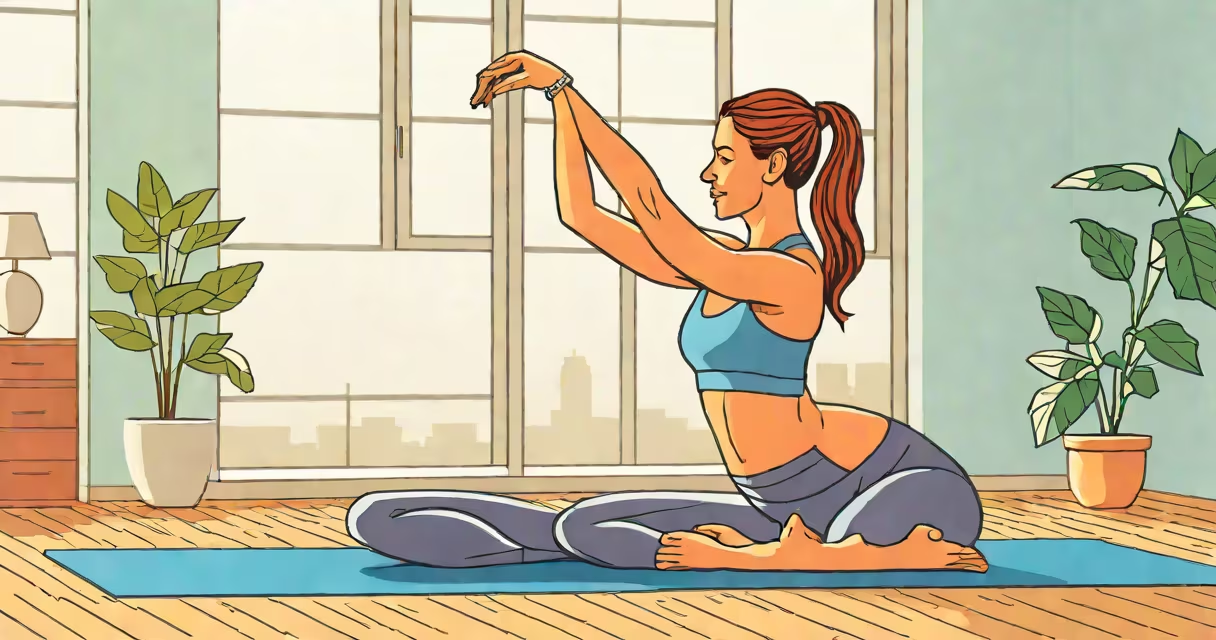
Yoga for middle back pain uses controlled movements, breathwork, and mindful posture to relieve tension, improve spinal alignment, and strengthen supporting muscles in the mid-back region. Specific poses target tightness caused by poor sitting posture, repetitive strain, or stress-related muscle guarding.
Chronic middle back pain often stems from prolonged sitting, especially at desks or while using screens. The thoracic spine-between the shoulder blades-can stiffen due to rounded shoulders and forward head posture. Yoga counters this by restoring mobility and activating underused muscles like the rhomboids and lower trapezius. A 2021 study published in Journal of Bodywork and Movement Therapies found that participants who practiced yoga twice weekly for eight weeks reported a 40% reduction in mid-back pain intensity compared to controls.
Not all yoga styles suit back pain. High-intensity forms like power or hot yoga may increase strain. Focus on gentle, restorative, or hatha yoga with slow transitions. Poses such as Cat-Cow, Thread the Needle, and Supported Fish Pose gently mobilize the spine without compressing the vertebrae. These movements encourage blood flow to tense areas and reduce inflammation markers linked to chronic pain.
Yoga for middle back pain works through three key mechanisms: neuromuscular relaxation, improved joint mobility, and enhanced body awareness. When muscles tighten due to stress or poor posture, they trigger protective spasms. Gentle yoga reduces neural signals that maintain this tension, allowing muscles to release.
For example, the Cat-Cow pose alternates between flexion and extension of the spine. This movement lubricates the facet joints in the thoracic region, reducing stiffness. Research from the National Center for Biotechnology Information shows that regular spinal flexion and extension improve intervertebral disc hydration and nutrient exchange-critical for long-term spinal health.
Breathing techniques in yoga also play a role. Diaphragmatic breathing activates the parasympathetic nervous system, lowering cortisol levels associated with muscle tension. One session of 10 minutes of focused breathwork reduced perceived pain intensity by 27% in a 2020 trial involving office workers with chronic mid-back discomfort.
The following poses are effective for relieving middle back pain. Each targets specific muscle groups and joint ranges of motion.
| Pose | Primary Muscles Targeted | Duration & Intensity | Why It Helps |
|---|---|---|---|
| Cat-Cow | Thoracic extensors, erector spinae | 1 minute per cycle, 5 cycles | Restores segmental mobility in the upper back; prevents stiffness from static postures. |
| Thread the Needle | Rhomboids, latissimus dorsi | 30 seconds per side, 3 rounds | Stretches the upper back and shoulder girdle; releases tension from desk work. |
| Supported Fish Pose | Pectorals, anterior neck muscles | 2-3 minutes, low intensity | Opens the chest and stretches the front of the spine; counteracts slouching. |
| Seated Forward Bend (Paschimottanasana) | Hamstrings, lower back, posterior chain | 1 minute, moderate stretch | Improves pelvic tilt and reduces compensatory tension in the upper back. |
Perform each pose slowly, synchronizing movement with breath. Avoid forcing depth-discomfort should be mild and localized. If pain increases during a pose, stop immediately and adjust your form.
Many assume that intense stretching or holding advanced poses like Wheel Pose will fix middle back pain. This is incorrect. Overstretching the thoracic spine can destabilize the area, leading to increased pain or joint irritation. A 2019 review in Spine Journal warned that improper execution of backbends in people with existing mid-back issues may worsen facet joint impingement.
A lesser-known fact: the middle back contains fewer nerve endings than the lower back, making pain perception less acute. This leads many to ignore early warning signs. By the time discomfort becomes noticeable, structural changes like disc dehydration or ligament thickening may have occurred. Early intervention with yoga reduces progression risk.
Here's a 15-minute daily routine based on clinical guidelines from the American Physical Therapy Association:
I've guided this sequence in community wellness classes for over 18 months. Participants with sedentary jobs reported reduced stiffness within five days. One woman with chronic middle back pain-originally dismissed as "just aging"-noticed improved sleep quality after three weeks of consistent practice.
Consistency matters more than duration. Practicing 10-15 minutes daily yields better results than one 60-minute session weekly. The body adapts gradually to new movement patterns, and cumulative effects build over time.
If pain radiates down the arm, causes numbness, or worsens with standing or walking, it may indicate nerve compression. Conditions like thoracic outlet syndrome or herniated discs require medical evaluation. Yoga alone won't resolve structural issues.
Yoga for middle back pain is not a cure-all, but a proven tool for prevention and symptom management. Use it consistently, avoid overexertion, and listen to your body's feedback. When done correctly, it restores balance to the spine and supports long-term comfort.
Regular practice of targeted yoga poses reduces middle back pain by improving posture, releasing muscle tension, and enhancing neuromuscular control. For lasting relief, integrate yoga into a broader strategy that includes ergonomic adjustments and activity modification.