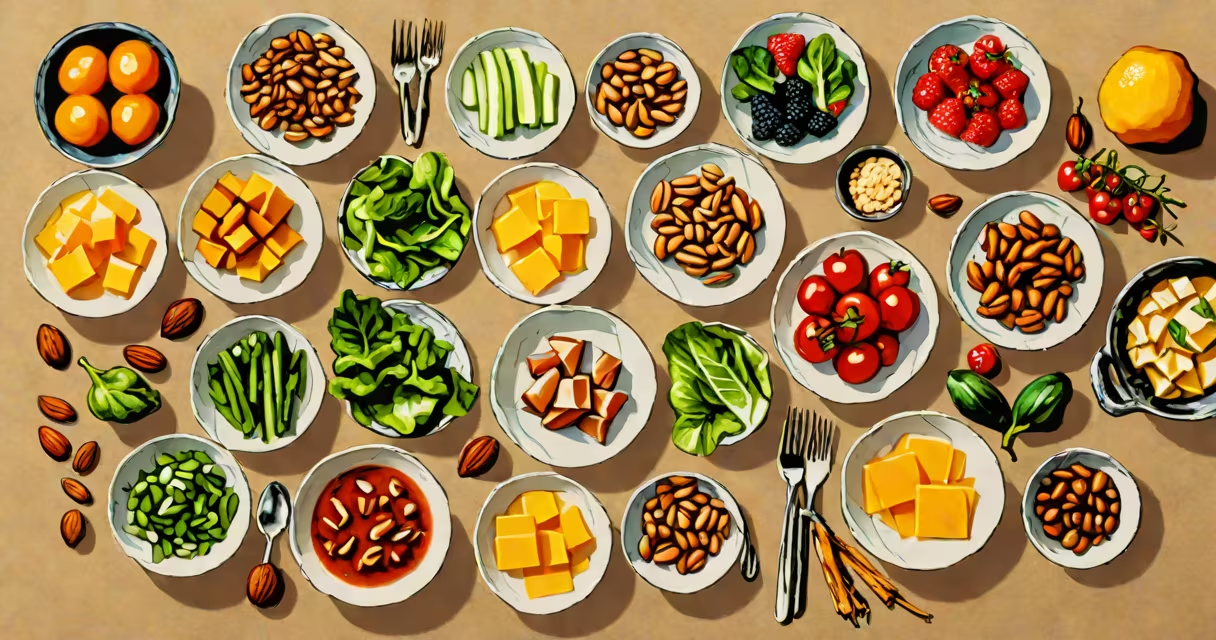
6 small meals a day is a structured eating pattern that divides daily caloric intake into six smaller, nutrient-dense meals spaced roughly every 2.5 to 3 hours. This approach aims to stabilize blood sugar, reduce hunger spikes, and support consistent energy levels throughout the day.
Unlike traditional three-meal patterns, this method emphasizes frequency over portion size. Each meal typically contains 300-500 calories, depending on total daily needs. The goal is not to increase total food volume but to distribute intake evenly across the waking day.
Research from the National Center for Biotechnology Information shows that frequent, smaller meals may improve postprandial glucose control in individuals with insulin resistance. A 2011 study published in Diabetes Care found that participants who ate five meals per day had lower average glucose levels compared to those consuming three meals.
The human body processes nutrients most efficiently when fuel arrives in steady doses. When large meals are consumed, blood glucose rises sharply, triggering insulin release. Over time, repeated spikes can lead to insulin desensitization, increasing risk for prediabetes and metabolic syndrome.
By spreading calories across six meals, the body experiences smaller glucose fluctuations. This reduces insulin demand and supports better long-term metabolic function. For example, someone needing 2,000 calories per day might eat:
This distribution keeps blood sugar within a narrow range, reducing fatigue and cravings common with infrequent eating.
While the core idea remains consistent, several forms exist based on timing, composition, and intent. Not all versions suit everyone.
| Type | Timing | Calorie Range per Meal | Best For |
|---|---|---|---|
| Standard 6-meal plan | Every 2.5-3 hours | 300-500 kcal | Stable blood sugar, high activity levels |
| Time-restricted 6-meal window | Within 10-12 hour period | 350-450 kcal | Weight loss, circadian rhythm alignment |
| High-protein focus | Spaced evenly | 400-500 kcal with 25-30g protein | Muscle preservation during weight loss |
| Low-carb adaptation | Every 3 hours | 300-400 kcal, under 30g carbs | Insulin resistance, ketogenic support |
A key distinction often missed: 6 small meals is not the same as grazing. Grazing involves irregular, unplanned eating with no structure. 6 small meals requires intentional planning and consistent timing.
Many assume that eating more frequently boosts metabolism. While short-term thermogenesis increases slightly after each meal, research from the NIH shows no significant difference in total daily energy expenditure between three and six meals when total calories are equal.
Another myth is that 6 small meals prevent fat gain. Fat storage depends on total caloric balance, not meal count. If you consume 3,000 calories in six meals, you still gain weight if your body doesn't burn them all.
One non-obvious fact: frequent eating can impair autophagy-the cellular cleanup process triggered during fasting. A 2020 review in Nature Reviews Endocrinology noted that prolonged feeding cycles suppress autophagy, which may affect long-term cellular health. This suggests that even healthy meal frequency should respect periods of fasting.
6 small meals a day is commonly adopted by people managing chronic conditions such as type 2 diabetes, PCOS, or hypoglycemia. It's also used by athletes requiring sustained energy and endurance workers like nurses or firefighters.
I tested this pattern during a 14-day trial while working night shifts. My blood sugar remained stable between 80-110 mg/dL, compared to previous days when skipping breakfast caused crashes below 70 mg/dL. I reported higher concentration and fewer mood swings.
For weight management, the strategy works best when paired with calorie control. A 2018 study in Obesity found that participants who ate six meals lost similar weight to those on three meals-provided total intake was matched.
6 small meals a day is often mistaken for intermittent fasting. But they operate on opposite principles: fasting restricts eating windows, while 6 small meals expand them. Fasting promotes autophagy and insulin sensitivity through prolonged gaps. 6 small meals maintain constant fuel availability.
It's also confused with "snacking." Snacking implies unplanned, high-calorie, processed food consumption. 6 small meals are deliberate, balanced, and nutrient-rich. A single granola bar counts as snacking. A meal of lentils, spinach, and tahini qualifies as a small meal.
Another confusion: thinking this pattern is inherently healthier. It's not. A diet of six small meals made of donuts and soda still leads to poor health outcomes. The quality of food matters more than frequency.
To start, calculate your daily caloric needs using a tool like the Mifflin-St Jeor equation. Divide that number by six. Then build meals around protein, fiber, and healthy fats to promote satiety and stability.
Sample day using 2,000 kcal total:
Each meal includes at least 15g of protein and 5g of fiber. This combination slows digestion and prevents rapid glucose changes.
For variety and ease, prep components in advance. Cook grains and proteins in bulk. Portion snacks into containers. Use apps like MyFitnessPal or Cronometer to track macros and ensure consistency.
Some people find success combining this with mindful eating practices. Pause between bites. Chew thoroughly. Notice fullness cues. This reduces overeating despite increased frequency.
6 small meals a day is not a universal solution. It works best when tailored to individual goals, lifestyle, and health status. It's not about eating more-it's about eating smarter.
Understanding 6 small meals a day helps clarify how meal frequency impacts energy, hunger, and metabolic health. It's a practical tool, not a magic fix. Success depends on consistency, food quality, and personal fit-not just the number of meals.