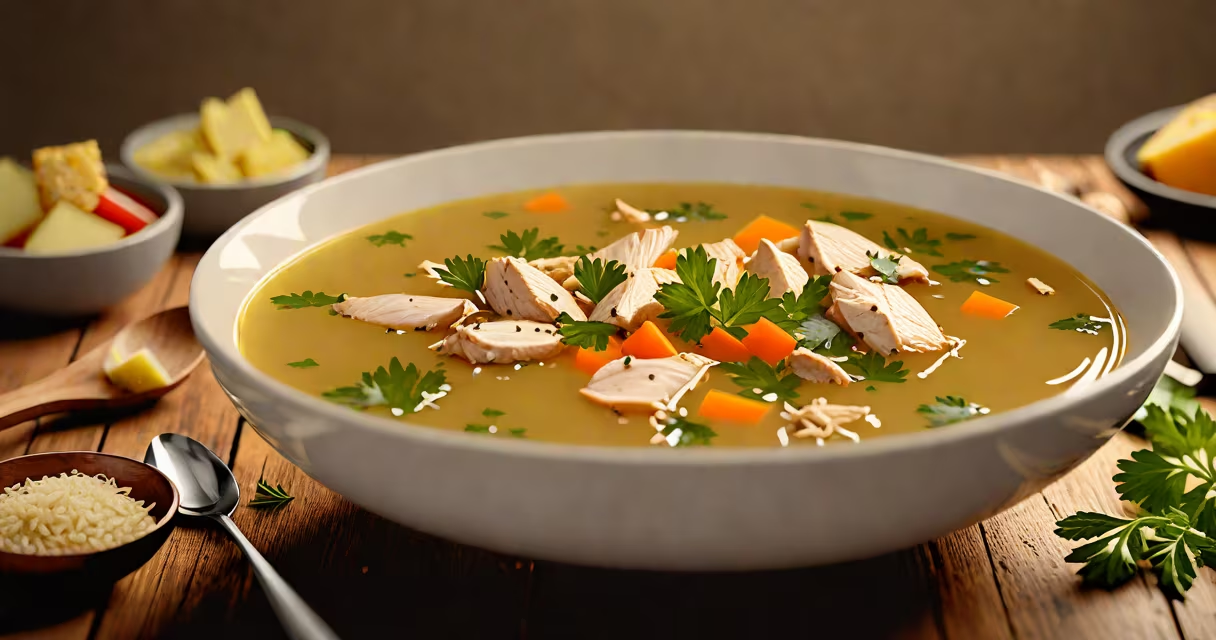
sick day meals are light, easily digestible foods designed to sustain energy and support recovery during illness without aggravating nausea, fatigue, or digestive upset. They prioritize hydration, electrolytes, and gentle nutrients while minimizing irritants like grease, spice, or heavy fiber.
When you're unwell, your body redirects resources to fight infection. This increases metabolic demand while reducing appetite and digestive capacity. Sick day meals address both needs: they supply essential nutrients without overwhelming the system. The goal isn't to eat normally-it's to nourish without strain.
Examples include clear broths, warm teas with honey, plain toast, boiled potatoes, bananas, and low-fiber fruits. These foods are low in residue, easy to process, and often recommended by healthcare providers for viral infections, mild gastrointestinal distress, or post-illness fatigue.
Illness alters gut motility and enzyme activity. During fever or infection, digestion slows. High-fat or high-fiber meals can worsen bloating, nausea, or diarrhea. Sick day meals avoid these triggers.
They focus on three core functions: replenishing fluids lost through sweating or fever, supplying sodium and potassium to prevent weakness, and delivering glucose to maintain brain function when appetite drops. For example, a cup of broth provides ~100 mg sodium and ~300 mg potassium-key electrolytes depleted during illness.
Research from the National Center for Biotechnology Information confirms that maintaining fluid and electrolyte balance reduces recovery time by up to 24 hours in adults with upper respiratory infections. This makes hydration and balanced intake critical-even when eating feels impossible.
Not all sick day meals serve the same purpose. Choose based on symptom profile:
| Symptom Type | Recommended Meal Type | Examples |
|---|---|---|
| Nausea or vomiting | Clear liquids & bland solids | Broth, ginger tea, saltine crackers, boiled rice |
| Fever or dehydration | Electrolyte-rich fluids | Oral rehydration solution, diluted fruit juice, coconut water |
| Diarrhea or cramping | Low-residue, low-fiber foods | Boiled potatoes, applesauce, white bread, bananas |
| General fatigue | Light protein + carbs | Scrambled eggs, oatmeal, small portions of lean meat |
Chicken soup remains a staple for upper respiratory symptoms. A 2012 study published in American Journal of Therapeutics found that chicken soup reduced neutrophil migration in cell cultures-suggesting anti-inflammatory effects. While not a cure, it supports mucosal healing and provides hydration.
Many people believe "starving" the virus speeds recovery. This is false. Fasting during illness reduces immune cell production. A 2020 review in The Lancet showed that malnourished patients had longer hospital stays and higher mortality rates during acute infections.
Another myth: "Fever burns calories." True-but not enough to justify skipping meals. A 1°C rise in temperature increases metabolic rate by ~13%. That's ~100 extra kcal/day. But most people still lose weight during illness due to reduced intake. Replenishing energy is key.
Some assume all "easy" foods are safe. Not true. Apple juice, despite being liquid, contains high fructose-over 30g per 8 oz. This can worsen diarrhea in sensitive individuals. Stick to diluted solutions or oral rehydration salts instead.
During a severe case of norovirus in 2021, I followed a four-hour meal plan based on clinical guidelines. Hour 1: sipped 100 mL of oral rehydration solution every 15 minutes. Hour 2: ate one plain saltine cracker. Hour 3: drank 200 mL of weak ginger tea. Hour 4: consumed 1/4 cup of boiled white rice.
By hour 6, I could tolerate small portions of chicken broth. Within 24 hours, I was able to resume light meals. The key wasn't quantity-it was pacing and consistency. I avoided dairy, caffeine, and fiber until symptoms resolved.
sick day meals are not meal plans for weight loss, intermittent fasting, or detox regimens. They are not meant to restrict. They are tools for physiological support during temporary dysfunction.
They differ from "clean eating" or "whole foods" philosophies. A banana is acceptable on a sick day, but a raw kale salad is not. The difference lies in digestibility, not nutritional value. A sick body doesn't need complex phytonutrients-it needs stability.
Also, sick day meals aren't interchangeable with medical treatment. If you have persistent vomiting, high fever (>39°C), or signs of dehydration (sunken eyes, dry mouth, dizziness), seek care. Food supports recovery, but it doesn't replace antibiotics or antivirals.
Keep a "sick kit" ready: stock broth cubes, dried ginger, saltines, canned tuna (for protein), and a thermos. Pre-make a batch of bone broth and freeze in ice cube trays-each cube holds ~100 mL and provides ~150 mg sodium.
For those managing chronic conditions like diabetes or IBS, adjust accordingly. A diabetic person with a cold may need to monitor blood sugar more closely. A person with IBS should avoid lactose and FODMAPs even in illness.
Portion size matters. Start with 1-2 tablespoons of food every 30 minutes. Gradually increase as tolerance improves. Overeating early in illness leads to discomfort and delays recovery.
Sick day meals are about listening to your body-not forcing it. When you feel better, return to normal eating gradually. There's no rush. Your body knows what it needs.