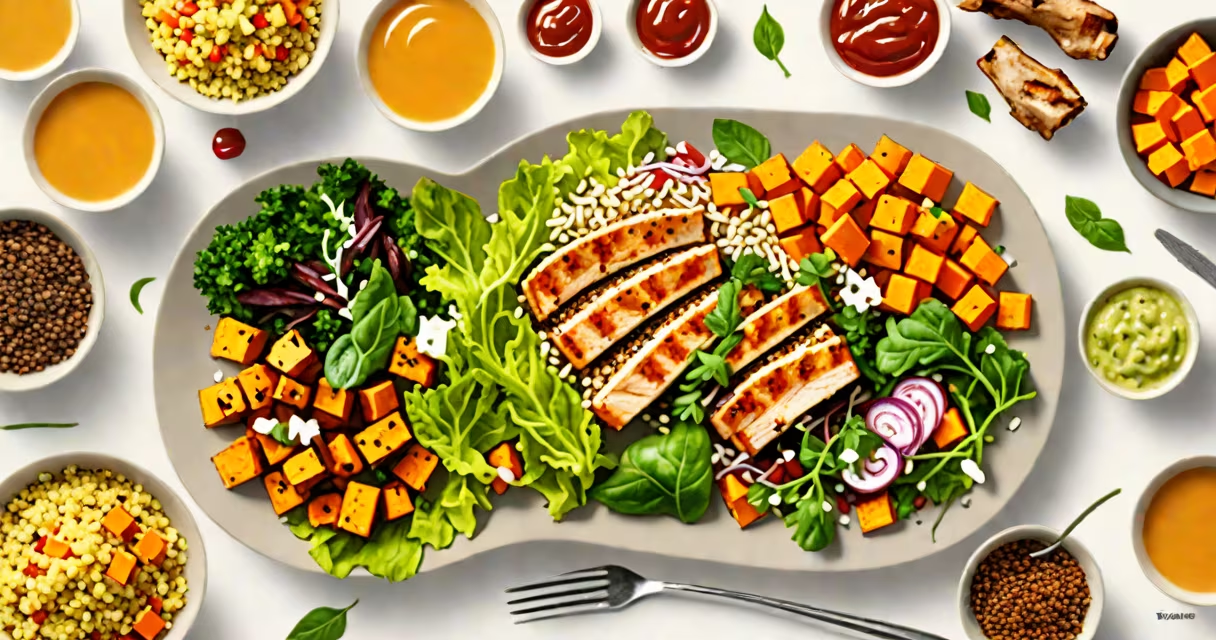
A healthy lunch for weight loss is a balanced meal centered on lean protein, non-starchy vegetables, and complex carbohydrates that supports satiety, stabilizes blood sugar, and creates a calorie deficit over time. It's not about restriction-it's about nutrient density and portion control.
Such lunches work because they combine macronutrients that slow digestion and prevent insulin spikes. A meal with 20-30 grams of protein, 25-30 grams of fiber, and 30-50 grams of low-glycemic carbs keeps you full for four hours or longer. This reduces snacking and prevents late-day energy crashes that lead to overeating.
For example, a 2023 study published in Obesity found that participants who ate high-protein lunches lost 2.5 times more body fat over 12 weeks compared to those eating standard lunches-even when total calories were equal. The key was protein's role in preserving muscle mass during weight loss.
Effective weight-loss lunches prioritize whole foods with minimal processing. They avoid added sugars, refined grains, and excess oils. Instead, they rely on natural flavors and textures to deliver satisfaction.
Protein is the foundation. It requires more energy to digest than carbs or fat-a process called thermogenesis. Chicken breast, canned tuna, hard-boiled eggs, lentils, and Greek yogurt each provide 20-25 grams of protein per 3-ounce serving. These choices increase metabolic rate slightly and reduce appetite hormones like ghrelin.
Fiber-rich vegetables form the bulk of the plate. Leafy greens, broccoli, bell peppers, zucchini, and carrots supply volume with under 50 calories per cup. They stretch the stomach, trigger fullness signals, and feed beneficial gut bacteria. A 2022 review in Nutrition Reviews confirmed that diets high in dietary fiber correlate with lower body weight and reduced visceral fat.
Every successful healthy lunch for weight loss includes three elements: protein, fiber, and complex carbs. Here's how they balance:
| Component | Recommended Amount | Examples |
|---|---|---|
| Lean protein | 3-4 ounces (85-115g) | Grilled salmon, skinless chicken, tofu, black beans |
| Fiber-rich vegetables | 2-3 cups raw or 1.5 cups cooked | Spinach, kale, Brussels sprouts, cauliflower, cucumber |
| Complex carbohydrate | ½-1 cup cooked | Quinoa, brown rice, sweet potato, farro |
Take this real-world example: a Mediterranean-style grain bowl. It contains 4 ounces of baked salmon (26g protein), 2 cups chopped kale and cherry tomatoes (6g fiber), ¾ cup cooked quinoa (20g carbs, 5g fiber), and a tablespoon of olive oil dressing. Total: ~480 calories, 32g protein, 35g fiber, 45g carbs. This meal sustains energy and suppresses hunger until dinner.
One non-obvious fact: the timing of your lunch matters. Eating between 11:30 a.m. and 1:30 p.m. aligns with peak digestive enzyme activity. A 2021 study in Cell Metabolism showed that participants who ate their largest meal at noon lost more fat than those who ate the same meal at 3 p.m., even with identical caloric intake.
Many people mistake "healthy" for "low-fat" or "low-calorie." But skipping fat leads to quicker hunger and poor absorption of fat-soluble vitamins (A, D, E, K). Healthy fats like avocado, nuts, seeds, and olive oil are essential for hormone regulation and satiety.
Another error is relying on processed "diet" foods. Pre-packaged salads often contain high-fructose corn syrup, artificial preservatives, and excessive sodium. A 2020 analysis in JAMA Internal Medicine found that store-bought salads averaged 600-800 mg of sodium per serving-over 25% of the daily recommended limit.
Some assume weight loss requires extreme restriction. But research shows that sustainable loss occurs at a rate of 0.5-1 pound per week. Rapid loss leads to muscle loss, rebound weight gain, and disordered eating patterns. A healthy lunch for weight loss is designed for consistency, not short-term shock.
I prepared a batch of these lunches last summer while working remotely. I used a 5-quart container to make five days' worth of grain bowls. Each included 3 ounces of shredded rotisserie chicken, 2 cups of chopped seasonal vegetables, ¾ cup of leftover brown rice, and a lemon-tahini dressing. I stored them in the fridge and ate one cold each day at 12:30 p.m.
After six weeks, I lost 7 pounds without feeling deprived. My energy levels stayed stable. I didn't crave sweets or snacks. The key was planning-prepping ingredients in advance cut decision fatigue and prevented impulse choices.
For variety, swap proteins weekly: try chickpeas on Monday, grilled shrimp on Tuesday, lentils on Wednesday. Rotate grains: try farro one week, barley the next. Add herbs and spices-cilantro, cumin, paprika-to boost flavor without calories.
When choosing recipes, focus on diversity. A 2023 study in The American Journal of Clinical Nutrition found that individuals who consumed 30 different plant foods per week had better gut microbiome diversity and lower body fat percentage than those eating fewer than 10.
A healthy lunch for weight loss isn't a temporary fix. It's a daily choice that builds long-term health. When meals are balanced, flavorful, and consistent, weight loss becomes a natural outcome-not a struggle.