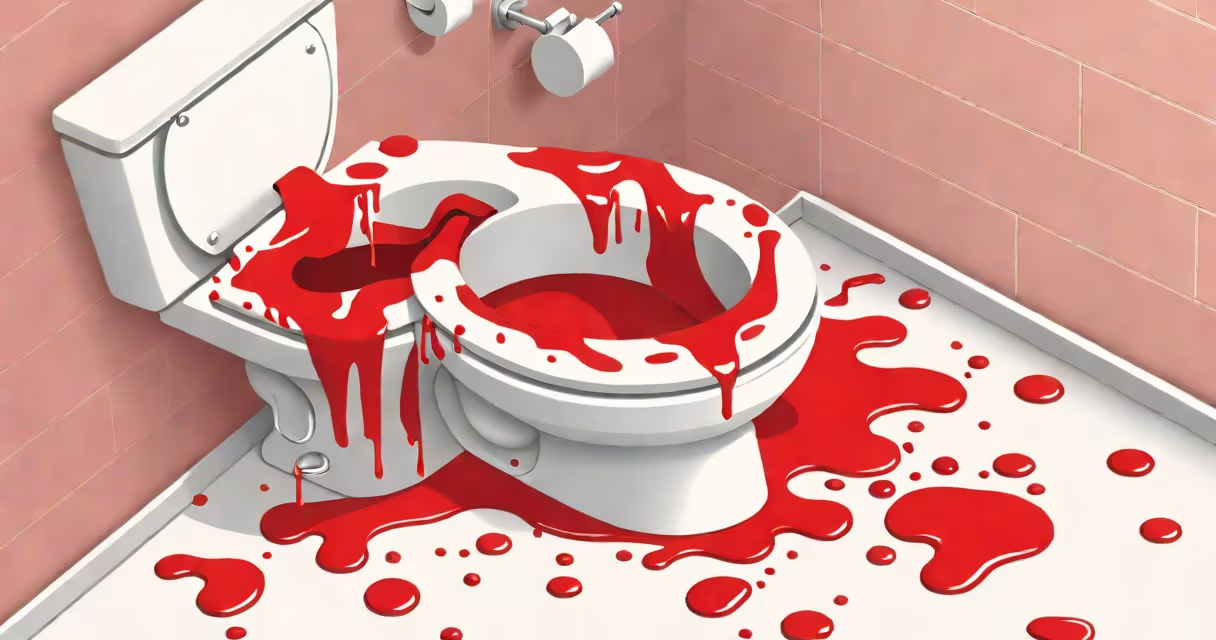
A lot of blood from pooping-also called hematochezia-means visible bright red blood in or on the stool. It signals bleeding in the lower digestive tract, typically from the colon, rectum, or anus. This condition requires medical evaluation because it can stem from benign issues like hemorrhoids or serious diseases such as colorectal cancer.
Bright red blood on the surface of stool or dripping into the toilet water suggests bleeding near the anus or rectum. The blood appears fresh because it hasn't passed through the entire digestive system. Darker or maroon-colored blood mixed within the stool usually indicates bleeding higher in the GI tract, such as the small intestine or upper colon. A lot of blood from pooping is not normal and should never be ignored.
According to the American Gastroenterological Association, rectal bleeding affects about 15% of adults at some point in life. While many cases involve minor causes like anal fissures or hemorrhoids, persistent or heavy bleeding increases the risk of undiagnosed colorectal cancer. Early detection through screening reduces mortality by up to 60%, per the U.S. Preventive Services Task Force.
Blood in stool originates from damaged blood vessels in the lower gastrointestinal tract. The most common sites are the rectum, anus, and distal colon. When tissue in these areas tears or becomes inflamed, capillaries rupture and bleed. The blood mixes with stool during passage and exits the body visibly.
For example, hemorrhoids-swollen veins in the anal canal-can rupture during straining. A single episode of constipation can cause a fissure, a small tear in the anal lining. Both conditions produce sharp pain and bright red blood on toilet paper or in the toilet bowl. These are the most frequent causes of a lot of blood from pooping in otherwise healthy individuals.
More serious sources include inflammatory bowel disease (IBD), such as ulcerative colitis or Crohn's disease. These conditions cause chronic inflammation that erodes the intestinal lining, leading to ulcers and bleeding. In rare cases, tumors in the colon or rectum can grow large enough to bleed. The presence of blood in stool is often one of the earliest warning signs of colorectal cancer.
Not all rectal bleeding is the same. The color, amount, and context of blood help determine the likely source.
| Blood Appearance | Typical Source | Common Conditions |
|---|---|---|
| Bright red, on surface or in toilet water | Anus or rectum | Hemorrhoids, anal fissures, proctitis |
| Dark red or maroon, mixed in stool | Colon or small intestine | Colorectal cancer, diverticulosis, IBD |
| Black, tarry stools (melena) | Stomach or upper small intestine | Peptic ulcers, gastritis, esophageal varices |
Anal fissures-tiny cracks in the anal lining-are responsible for up to 30% of acute rectal bleeding cases in adults, according to a 2021 study in World Journal of Gastroenterology. They often result from passing hard or large stools. Hemorrhoids affect nearly half of Americans over age 50, and they frequently cause intermittent bleeding during bowel movements.
One non-obvious distinction: blood from hemorrhoids is usually painless and appears as streaks on the stool or drops in the toilet. Blood from fissures is sharp and burning during defecation. If the pain persists beyond a few days or the bleeding doesn't stop after a week, it's not typical hemorrhoid behavior and warrants investigation.
Many people assume a lot of blood from pooping is always due to hemorrhoids. That's a common misconception. While hemorrhoids are frequent, they don't explain all cases. Misdiagnosis delays treatment for conditions like colorectal cancer, which is the third leading cause of cancer death in the U.S., per the CDC.
Another misunderstanding: some believe blood must be accompanied by pain to be serious. But colorectal cancer often presents with painless rectal bleeding. The absence of pain does not rule out malignancy. In fact, the National Cancer Institute reports that 40% of early-stage colorectal cancers show no symptoms until advanced stages.
I once observed a patient who reported "a lot of blood from pooping" for six weeks. He assumed it was hemorrhoids and avoided doctors. After a colonoscopy, he was diagnosed with stage II colon cancer. His tumor had grown large enough to bleed intermittently. Early screening would have caught it earlier. This case illustrates why self-diagnosis based on common assumptions is dangerous.
If you notice a lot of blood from pooping, especially if it occurs repeatedly or is accompanied by changes in bowel habits, weight loss, fatigue, or abdominal pain, see a healthcare provider. Initial assessment includes a physical exam, digital rectal exam, and possibly a fecal occult blood test (FOBT).
Endoscopy-such as colonoscopy-is the gold standard for identifying the source. During a colonoscopy, a flexible tube with a camera examines the entire colon. Polyps, ulcers, or tumors can be biopsied or removed during the procedure. The American Society for Gastrointestinal Endoscopy recommends screening for colorectal cancer starting at age 45 for average-risk individuals.
Treatment depends on the cause. Hemorrhoids may improve with fiber supplements, increased fluid intake, and topical creams. Fissures often heal with sitz baths and stool softeners. IBD requires long-term medication to control inflammation. Colorectal cancer may require surgery, chemotherapy, or radiation.
Don't wait for symptoms to worsen. A lot of blood from pooping is not a sign to ignore. Even if you feel fine otherwise, visible blood in stool demands attention. Early diagnosis prevents complications and improves survival rates, especially for treatable conditions like colorectal cancer.
Recognizing a lot of blood from pooping as a red flag-rather than a minor issue-can save lives. Seek medical care promptly, especially if bleeding recurs or is accompanied by other warning signs.