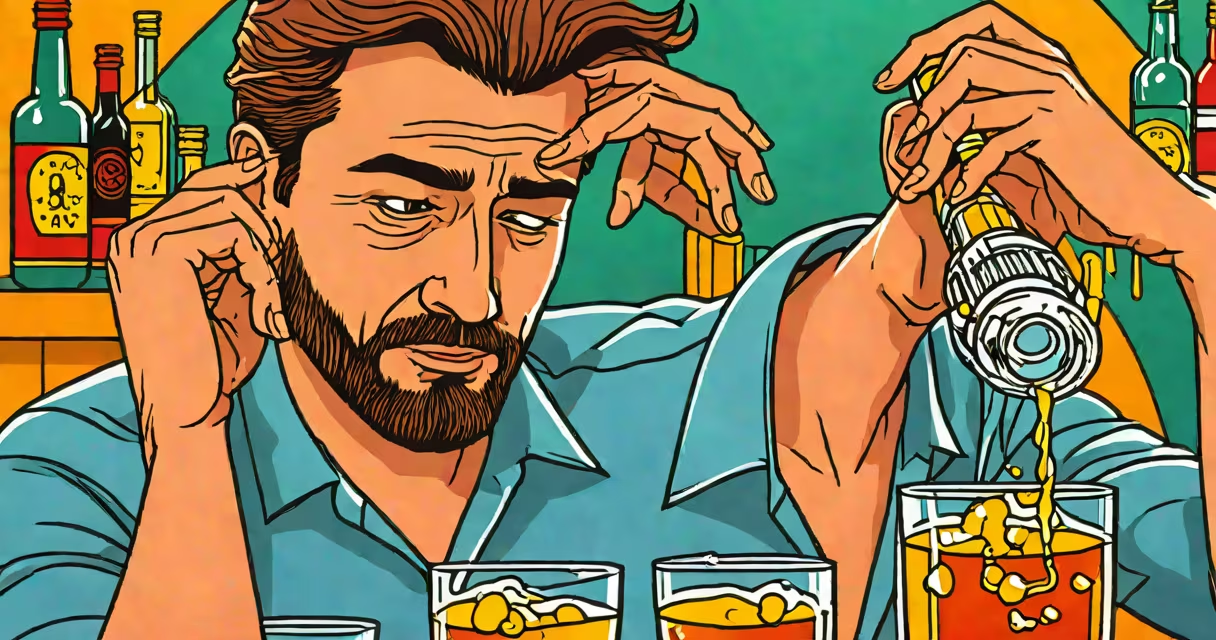
Alcohol makes me ill refers to immediate physical symptoms such as flushing, nausea, rapid heartbeat, or headaches after consuming alcoholic beverages. These reactions stem from metabolic inefficiencies-especially in enzymes like ALDH2-or excess histamine, not immune system responses. The condition is not an allergy but a physiological intolerance.
When alcohol enters the body, it breaks down into acetaldehyde, a toxic compound. Most people have sufficient levels of aldehyde dehydrogenase (ALDH2), which rapidly converts acetaldehyde into acetate. But in individuals with a genetic variant of ALDH2-common in East Asian populations-this enzyme functions poorly. As a result, acetaldehyde accumulates, causing facial flushing, dizziness, and increased heart rate. This is known as the alcohol flush reaction.
Research from the National Institute on Alcohol Abuse and Alcoholism confirms that up to 45% of East Asian individuals carry the ALDH2*2 allele, which reduces enzyme activity by up to 90%. This explains why many report illness after even small amounts of alcohol. A 2021 study in *Nature Genetics* linked this variant to higher risks of esophageal cancer due to prolonged acetaldehyde exposure.
Alcohol metabolism begins in the liver with alcohol dehydrogenase (ADH), which converts ethanol into acetaldehyde. Acetaldehyde is then processed by ALDH2 into acetate, which the body safely excretes. When ALDH2 is impaired, acetaldehyde builds up in the bloodstream. This compound triggers blood vessel dilation, leading to flushing and warmth. It also stimulates the central nervous system, causing anxiety, dizziness, and palpitations.
Some people experience symptoms even without the ALDH2 deficiency. High-alcohol beverages like red wine or beer contain significant histamine-up to 60 micrograms per 100 mL in some wines. Individuals with histamine intolerance lack sufficient diamine oxidase (DAO), the enzyme that breaks down dietary histamine. When histamine accumulates, it causes symptoms resembling allergic reactions: nasal congestion, itching, and gastrointestinal distress.
A 2020 review in Frontiers in Pharmacology noted that up to 30% of people reporting "alcohol intolerance" actually have underlying DAO deficiency. They react strongly to fermented drinks but tolerate distilled spirits like vodka, which contain minimal histamine. This distinction is critical-symptoms aren't caused by alcohol itself, but by co-factors in the beverage.
Reactions fall into two primary categories: enzymatic and histaminergic. Enzymatic issues involve ADH or ALDH2 dysfunction. Histaminergic reactions occur when ingested histamine overwhelms DAO capacity. Some people suffer from both.
| Type | Primary Cause | Common Triggers | Typical Symptoms |
|---|---|---|---|
| ALDH2 Deficiency | Genetic variant (ALDH2*2) | Sake, beer, wine | Flushing, headache, nausea, rapid pulse |
| Histamine Intolerance | Low DAO enzyme activity | Red wine, aged cheese, fermented foods | Nasal congestion, diarrhea, skin rash |
| Other Sensitivities | Food additives, sulfites, congeners | Whiskey, dark liquors, low-quality wines | Headache, fatigue, stomach upset |
For example, a person with ALDH2 deficiency may feel flushed after one glass of sake but remain stable after a shot of tequila. Conversely, someone with histamine intolerance might tolerate beer but develop hives after drinking a bottle of red wine. The difference lies in the drink's composition-not the alcohol content alone.
Many assume alcohol makes me ill means they're allergic to alcohol. That's incorrect. True alcohol allergy involves IgE-mediated immune responses, rare and usually presenting with swelling, breathing difficulty, or anaphylaxis. Most people who report illness after drinking do not have this condition.
Another myth is that "alcohol intolerance" is purely psychological. While stress can worsen symptoms, the biological basis is well-documented. A 2019 study in The American Journal of Clinical Nutrition showed that individuals with ALDH2 deficiency had measurable acetaldehyde levels in their blood within 30 minutes of drinking-even at low doses.
Some believe they can build tolerance. This is false. The ALDH2*2 gene variant is inherited and cannot be altered through habituation. Drinking more won't train the body to process acetaldehyde faster. In fact, repeated exposure increases long-term cancer risk.
I once attended a dinner in Tokyo where a colleague drank a single glass of sake and turned bright red within five minutes. He reported dizziness and nausea. His family history included multiple cases of early-onset esophageal cancer. Genetic testing later confirmed he carried the ALDH2*2 mutation. He now avoids all alcoholic beverages, even those labeled "low histamine."
This case illustrates that alcohol makes me ill is not a choice-it's a biological reality. Avoiding alcohol isn't about willpower; it's about preventing cellular damage from acetaldehyde accumulation.
If you consistently feel unwell after drinking, consult a healthcare provider. Blood tests can measure acetaldehyde levels or assess DAO function. Genetic testing can confirm ALDH2 variants. Avoiding trigger beverages is the most effective strategy.
Distilled spirits like gin, vodka, or rum typically contain less histamine and fewer congeners. They may be better tolerated by people with sensitivities. However, even these can cause issues if consumed in large quantities due to ethanol's direct effects on the gut lining and brain.
There is no cure for ALDH2 deficiency. The only reliable solution is abstinence. For histamine intolerance, DAO supplements taken before drinking may reduce symptoms-but evidence remains limited. A 2022 trial in Journal of Clinical Gastroenterology found only modest improvement in 40% of participants.
Understanding that alcohol makes me ill is not about restriction-it's about informed decision-making. Knowing your body's limits protects against long-term harm, including cancer, liver disease, and cardiovascular strain.
For those seeking alternatives to alcohol in social settings, consider non-alcoholic versions of familiar drinks. Brands like Athletic Brewing or Seedlip offer near-identical sensory experiences without the metabolic burden. These options allow participation without triggering adverse reactions.
Alcohol makes me ill is not a sign of weakness. It's a warning system. Your body is signaling that a substance is disrupting normal function. Respect that signal. The science is clear: acetaldehyde is carcinogenic. DAO deficiency is common. And the risks of ignoring symptoms grow with time.