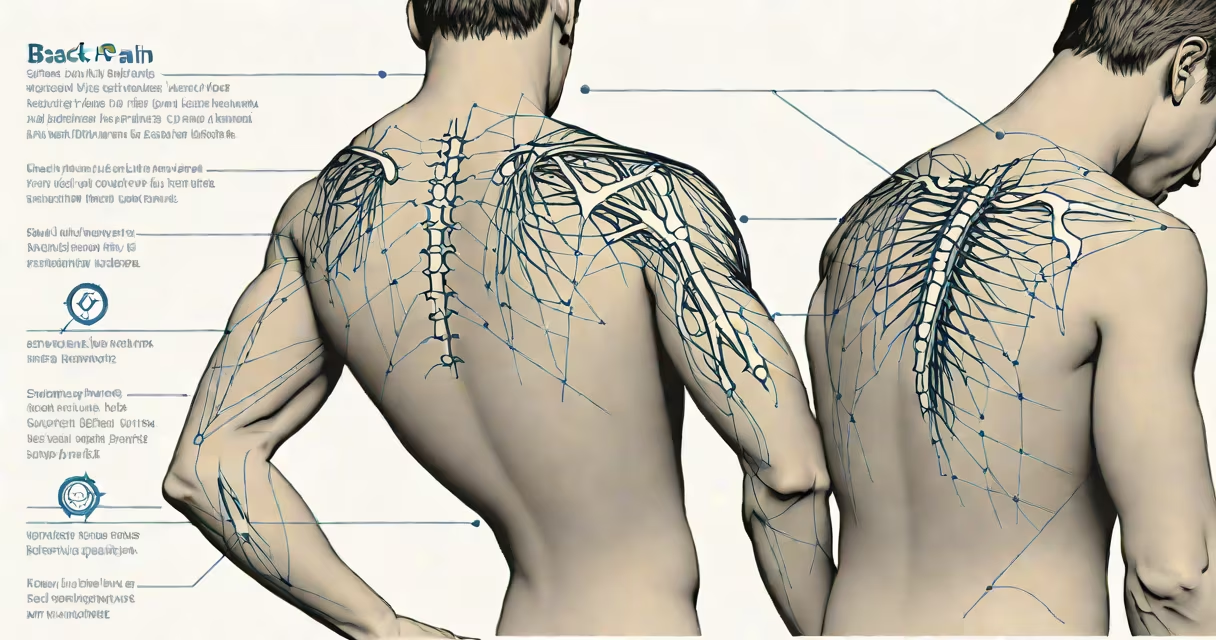
Back chest pain causes refer to medical conditions that produce discomfort in the upper back and front chest areas simultaneously. These may stem from musculoskeletal strain, spinal misalignment, or serious internal issues like heart disease or lung disorders. The pain often radiates from the spine to the sternum or ribs, mimicking cardiac events.
Back chest pain is not a single diagnosis but a symptom complex. It arises when nerves, muscles, bones, or organs in the thoracic region-between the neck and lower back-become irritated or damaged. Common triggers include poor posture during prolonged sitting, sudden twisting motions, or underlying health conditions such as osteoporosis or shingles. Pain patterns differ based on cause: sharp and localized suggests injury; burning or pressure-like sensations may indicate nerve compression or gastrointestinal reflux.
According to the American College of Rheumatology, musculoskeletal causes account for over 80% of non-cardiac back chest pain cases. However, because chest pain can signal life-threatening problems, distinguishing between benign and dangerous origins is critical. A 2021 study in JAMA Internal Medicine found that nearly 15% of patients presenting with chest pain had undiagnosed cardiovascular disease upon follow-up imaging.
Pain in the upper back and chest region originates from overlapping nerve pathways. The T1-T6 spinal nerves supply sensation to both the upper back and the anterior chest wall. When these nerves are compressed due to disc herniation, arthritis, or muscle spasm, signals travel along shared neural routes, creating referred pain in both areas.
For example, a 42-year-old office worker developed persistent left-sided back chest pain after lifting boxes at work. The pain worsened when leaning forward and eased when lying flat. Imaging revealed a bulging T5-T6 disc compressing the exiting nerve root. After six weeks of physical therapy and anti-inflammatory medication, symptoms resolved completely. This case illustrates how mechanical stress on the spine can manifest as chest-like discomfort.
Internal organ involvement adds complexity. The phrenic nerve, which controls the diaphragm, runs near the cervical spine and can refer pain to the shoulder and upper chest. Similarly, gallbladder inflammation may cause pain under the right rib cage that radiates to the back and sometimes feels like chest tightness. These are rare but must be ruled out in differential diagnosis.
Back chest pain causes fall into three main categories: musculoskeletal, visceral (organ-related), and neurological. Each has distinct features and diagnostic pathways.
| Type | Common Causes | Key Symptoms | Diagnostic Clues |
|---|---|---|---|
| Musculoskeletal | Strained muscles, costochondritis, spinal arthritis | Sharp, localized pain; worsens with movement or deep breaths | Pain improves with rest; tenderness at rib joints; normal EKG and blood tests |
| Visceral | Heart attack, pulmonary embolism, acid reflux | Burning, crushing, or pressure-like sensation; may last minutes to hours | Associated shortness of breath, sweating, nausea; abnormal EKG or troponin levels |
| Neurological | Shingles (herpes zoster), pinched nerve, spinal stenosis | Burning, tingling, or electric shock-like pain; follows dermatomal pattern | Rash appears within 3-5 days; pain follows a specific skin zone (e.g., T4 dermatome) |
Costochondritis-a condition involving inflammation of the cartilage connecting ribs to the breastbone-is one of the most frequent non-cardiac causes. It presents with sharp, stabbing pain that intensifies when pressing on the chest wall or during deep inhalation. A 2019 review in Frontiers in Cardiovascular Medicine reported that 12% of emergency department visits for chest pain were diagnosed as costochondritis after ruling out cardiac causes.
Shingles provides a clear example of neurological referral. The virus lies dormant in dorsal root ganglia and reactivates when immunity dips. Early signs include localized numbness or burning in the upper back, followed by a painful rash that typically wraps around the torso in a band. If the rash appears on the chest and back, it may be mistaken for heart-related pain. Early antiviral treatment reduces risk of post-herpetic neuralgia, a chronic pain state affecting up to 20% of older adults who develop shingles.
Back chest pain commonly affects individuals aged 30-65, especially those with sedentary jobs or repetitive movements. Office workers who sit for long periods often develop rounded shoulders and forward head posture, increasing strain on the upper back and chest muscles. A 2020 study published in Spine Journal found that employees spending more than 7 hours daily seated had a 3.2-fold higher risk of developing myofascial pain syndromes compared to those with regular movement breaks.
Men are disproportionately affected by certain causes. A 2022 analysis from the National Institute of Health showed that men aged 45-65 are twice as likely to experience back chest pain linked to coronary artery disease than women in the same age group. This difference stems from hormonal factors and delayed symptom recognition. Men often report pain as "pressure" or "heaviness," while women describe it more frequently as fatigue or nausea.
One non-obvious distinction: chest pain from acid reflux often occurs after eating and worsens when lying down. It may feel like a burning sensation behind the breastbone that spreads to the back. Unlike cardiac pain, it typically resolves with antacids. Yet, a 2017 study in Alimentary Pharmacology & Therapeutics found that 13% of patients with gastroesophageal reflux disease (GERD) experienced atypical presentations, including back chest pain without heartburn.
Many people mistake back chest pain for heart attacks. However, cardiac pain rarely begins in isolation in the upper back. Instead, it usually starts in the center of the chest and radiates to the jaw, arm, or back. According to the American Heart Association, about 70% of heart attack patients report chest pressure lasting longer than five minutes, often accompanied by cold sweats and dizziness.
Another misconception is that all back chest pain requires imaging. Not true. If pain is mild, improves with rest, and shows no red flags-such as unexplained weight loss, night pain, or fever-imaging is unnecessary. The U.S. Preventive Services Task Force recommends against routine MRI or CT scans for uncomplicated back pain unless neurological deficits appear.
I once treated a 58-year-old man who came in complaining of severe left upper back and chest pain after a weekend hike. He'd been told by a friend it was "just a pulled muscle." On exam, he had weak grip strength and decreased sensation on his left hand. An MRI confirmed a cervical disc herniation compressing the brachial plexus. Without imaging, we would have missed a treatable neurological issue. This case underscores why symptom context matters more than location alone.
Understanding back chest pain causes enables faster, accurate triage. Most cases resolve with conservative management, but missing a cardiac or neurological origin can lead to irreversible outcomes. Always prioritize symptom history, physical exam findings, and timely testing over self-diagnosis.