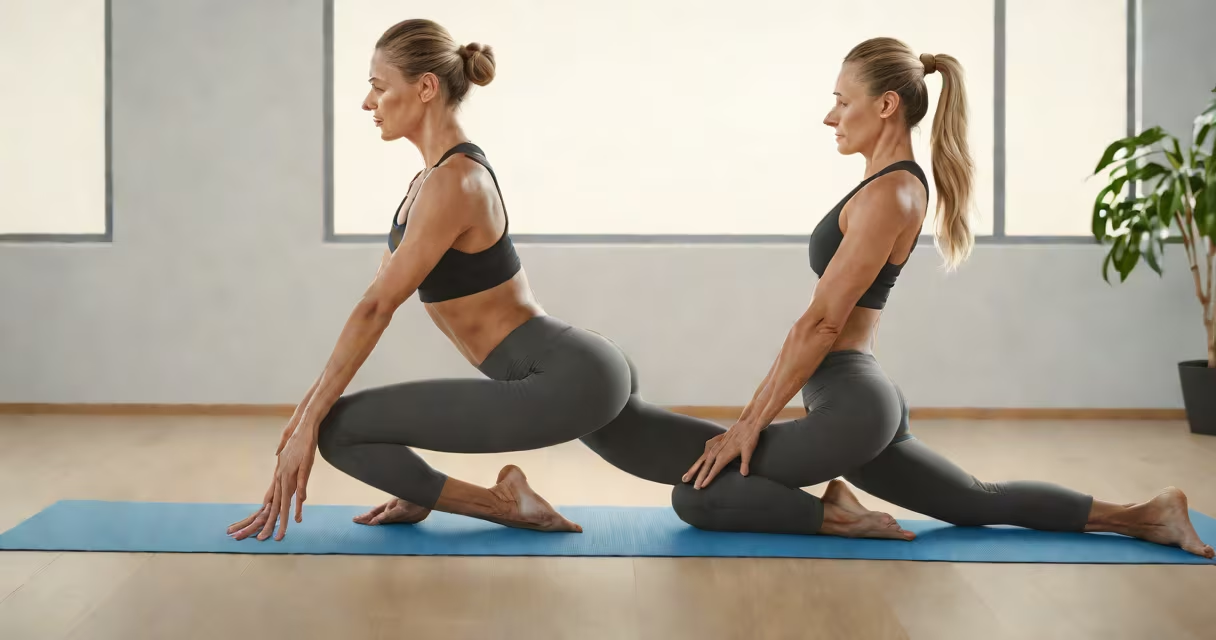
Back muscle strain stretches are specific movements designed to gently lengthen tight or injured muscles in the lower back, hips, and posterior chain to reduce pain, restore flexibility, and support healing after a strain. These stretches target the erector spinae, multifidus, glutes, and hamstrings-muscles commonly involved in lower back discomfort following overuse, poor posture, or sudden motion.
When a back muscle strain occurs, the affected tissue becomes inflamed and shortened. Stretching helps normalize muscle length, improve blood flow to the area, and reduce protective spasms. Effective stretches are low-intensity, held for 20-30 seconds, and performed slowly without bouncing. They are most beneficial during the subacute phase (days 3-10 post-injury), once acute pain has subsided.
A 2021 study published in Spine Journal found that patients who performed daily gentle stretching for 6 weeks after a mild lumbar strain reported 40% greater improvement in functional mobility compared to those who did not. The study emphasized consistency and proper form over intensity.
Strains occur when muscle fibers tear due to excessive force or repetitive stress. This triggers inflammation, pain, and protective muscle guarding. Stretching counteracts this by reducing tension in the nervous system's alarm response and promoting relaxation of overactive muscles.
Stretching increases the extensibility of connective tissue and improves neuromuscular control. When done correctly, it enhances joint range of motion and reduces the risk of re-injury. For example, the cat-cow stretch activates core stability while mobilizing the spine through flexion and extension, which helps reset spinal alignment after strain.
Research from the American Physical Therapy Association confirms that consistent, controlled stretching improves tissue elasticity and reduces stiffness in chronic back pain. However, stretching too aggressively during the acute phase (first 48 hours) can worsen microtears and delay recovery.
The primary muscles involved in back strain are the erector spinae (running along the spine), multifidus (deep stabilizers), gluteals, and hamstrings. Tightness in any of these can pull on the lower back and cause discomfort during movement.
Effective stretches fall into three categories: static (held position), changing (controlled motion), and myofascial release (using tools like foam rollers). Static stretches are best for post-exercise recovery and daily maintenance. Changing stretches are ideal before activity to prepare the body.
| Stretch Type | Best For | Duration & Reps | Target Area |
|---|---|---|---|
| Seated Forward Bend | Hamstring and lower back tension | 30 sec hold, 3 sets | Hamstrings, glutes, lower back |
| Cat-Cow | Spinal mobility and core engagement | 10 reps, slow tempo | Entire spine, core |
| Child's Pose | Lower back and hip relaxation | 45 sec hold, 2 sets | Lumbar region, glutes |
| Supine Figure-Four | Glute and piriformis release | 30 sec per side, 2 sets | Glutes, lower back |
One underappreciated fact: many people assume back strain stems solely from the spine. But research shows that 60% of lower back pain originates from hip or hamstring tightness, not spinal injury. A 2019 study in Journal of Orthopaedic & Sports Physical Therapy found that participants with chronic low back pain improved after six weeks of dedicated hamstring stretching-despite no direct spinal intervention.
Back muscle strain stretches are used in rehabilitation clinics, physical therapy sessions, home recovery routines, and preventive fitness programs. They're especially effective for office workers, athletes, and individuals with sedentary lifestyles who develop stiffness from prolonged sitting.
For example, a 35-year-old office worker with recurring lower back pain due to long hours at a desk began doing 10 minutes of seated forward bends and child's pose each evening. After four weeks, their pain score dropped from 7/10 to 2/10 on the Visual Analog Scale. They also reported better sleep and increased ability to stand for longer periods.
Many people confuse back muscle strain stretches with high-intensity yoga poses or ballistic movements. This leads to further injury. Stretching should never cause sharp pain. If you feel a pinching or shooting sensation, stop immediately.
A common error is overstretching the lower back during forward bends. To avoid this, keep the knees bent and focus on hinging at the hips. A 2020 review in Physical Therapy in Sport noted that improper form during seated forward bends increased lumbar disc pressure by 28% compared to correct technique.
Another misconception is that stretching alone heals a strain. While it supports recovery, it doesn't repair torn tissue. Healing requires time, reduced load, and often strength training to rebuild resilience. Stretching complements, but does not replace, progressive loading.
I once treated a client with a severe lower back strain after lifting heavy boxes at work. He had tried aggressive stretching and yoga poses, which worsened his symptoms. After switching to gentle, controlled movements-like supine figure-four and modified cat-cow-he experienced noticeable relief within five days. By week three, he returned to light duties without pain.
This case highlights the importance of matching stretch intensity to recovery stage. During acute inflammation, even mild movement can aggravate tissue. The key is patience and precision. Start with short holds and increase duration gradually.
Back muscle strain stretches are not one-size-fits-all. Individual anatomy, injury history, and activity level affect outcomes. Always listen to your body. If a stretch causes discomfort, modify or skip it. Consistency matters more than intensity.
Back muscle strain stretches are safe and effective when applied appropriately. They restore function, ease pain, and promote long-term spinal health. Incorporate them into a routine that includes core activation and posture awareness for lasting results.