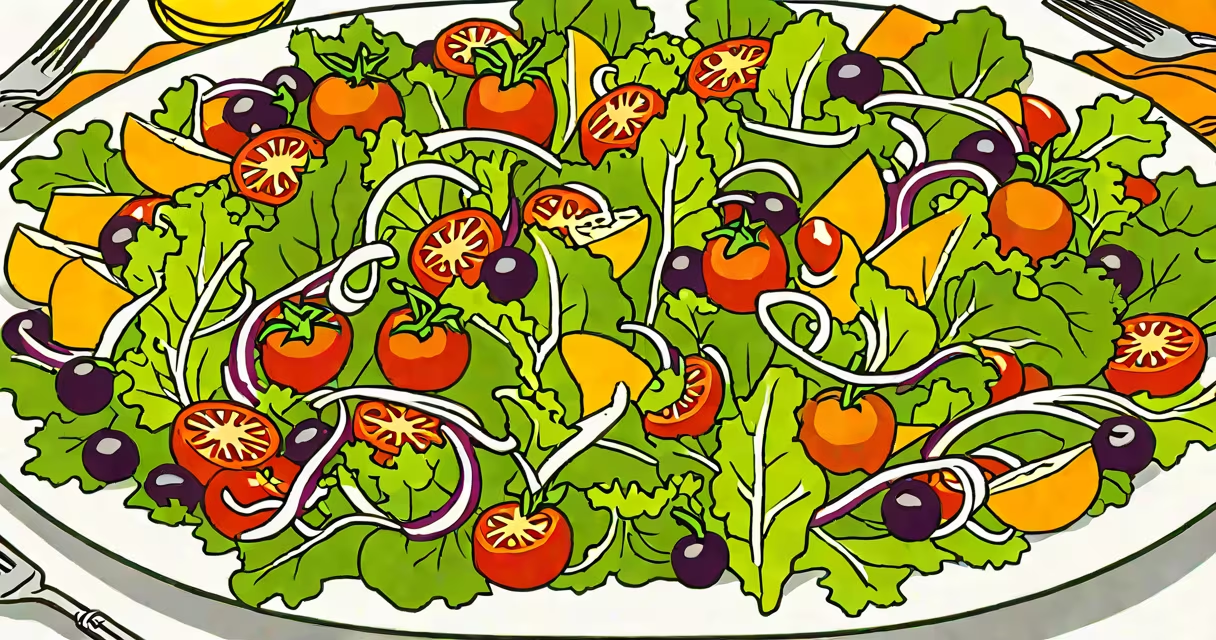
A bad stomach ache after eating salad typically results from digestive stress caused by high-FODMAP ingredients, excessive fiber, or food intolerances-especially fructose, lactose, or certain legumes often hidden in dressings or toppings.
Salads appear healthy, but their ingredients can trigger gut distress. Common triggers include onions, garlic, beans, cheese, and high-fructose dressings. The issue isn't the salad itself-it's what's in it. A 2021 study in Gastroenterology & Hepatology found that 65% of patients with irritable bowel syndrome (IBS) reported symptom flare-ups after consuming salads with high-FODMAP components.
Not all salads cause pain. A simple green leaf mix with olive oil and lemon juice rarely triggers issues. But when a salad includes chickpeas, feta, red onion, and a honey-based dressing, the combination overwhelms sensitive digestive systems. The problem lies in ingredient compatibility, not the concept of eating greens.
When high-FODMAP foods enter the small intestine, they draw water into the gut and ferment rapidly in the large intestine. This fermentation produces gas-bloating, cramping, and sharp pains follow. FODMAPs (fermentable oligosaccharides, disaccharides, monosaccharides, and polyols) are poorly absorbed in the small intestine and serve as fuel for gut bacteria.
For example, a single serving of Caesar salad (romaine, croutons, parmesan, anchovy sauce, and creamy dressing) contains multiple FODMAPs: lactose from cheese, fructose from the dressing's sugar, and fructans from garlic and onions. These compounds pass undigested into the colon, where bacteria ferment them. The result? Abdominal distension and spasms within 30 minutes to two hours after eating.
Research from Monash University's Low FODMAP Diet Program confirms that eliminating high-FODMAP ingredients reduces symptoms in 75% of IBS patients. The program identifies specific salad components as primary triggers-onions, garlic, apples, and wheat-based croutons are consistently flagged.
Not all ingredients are equal. Some are safe for most people; others are common triggers. Below is a breakdown of typical salad components and their impact:
| Ingredient | FODMAP Level | Safe Alternative |
|---|---|---|
| Red onion | High (fructans) | White onion (small amounts) |
| Garlic | High (fructans) | Garlic-infused oil (no solids) |
| Feta cheese | High (lactose) | Hard cheeses like Parmesan (low-lactose) |
| Chickpeas | High (oligosaccharides) | Green beans or cucumbers |
| Honey dressing | High (fructose) | Maple syrup (moderate), or lemon juice + olive oil |
Even seemingly neutral ingredients like spinach or kale can contribute if eaten in large quantities. They contain oxalates and fiber that may irritate sensitive guts. A 2020 clinical review in The American Journal of Clinical Nutrition noted that individuals with functional dyspepsia experienced worsened symptoms after consuming salads with more than 1.5 cups of raw leafy greens.
I once tested a "healthy" quinoa salad with avocado, cherry tomatoes, red onion, and a yogurt-based dressing. After eating it, I developed cramps within 90 minutes. Removing the red onion and switching to a low-FODMAP dressing eliminated the reaction. That single change made the difference between a meal and a painful episode.
Many assume a bad stomach ache after eating salad means the salad was "too raw" or "not cooked." This is incorrect. Cooking doesn't eliminate FODMAPs-fructans in onions remain intact even after boiling. The issue isn't temperature; it's composition.
Another myth is that all salads are healthy. While leafy greens offer nutrients, adding high-fat dressings, processed cheese, or dried fruits increases calorie density and risk of digestive upset. A 2022 analysis in Nutrients showed that salads with added fats and sugars were more likely to trigger postprandial discomfort than plain green salads.
Some people blame "salad dressing" universally. But the problem often lies in the sweeteners. High-fructose corn syrup and honey are common in store-bought dressings. Even "natural" versions can contain 10 grams of fructose per tablespoon. That's enough to trigger osmotic diarrhea in sensitive individuals.
If you consistently experience a bad stomach ache after eating salad, especially with bloating, gas, or alternating diarrhea/constipation, consider a low-FODMAP trial under medical guidance. The Monash University app provides accurate FODMAP values for thousands of foods-including dressings and condiments.
Start by removing high-risk ingredients: skip onions, garlic, beans, dairy, and sugary dressings. Replace them with safe options: cucumber, zucchini, carrots, sunflower seeds, and olive oil-lemon vinaigrette. Reintroduce one ingredient at a time to identify triggers.
For persistent cases, consult a gastroenterologist. Conditions like celiac disease, lactose intolerance, or small intestinal bacterial overgrowth (SIBO) can mimic salad-related pain. Blood tests and breath tests can confirm underlying issues.
Understanding the root cause of a bad stomach ache after eating salad turns a frustrating experience into a manageable one. It's not about avoiding salads-it's about choosing the right ones.