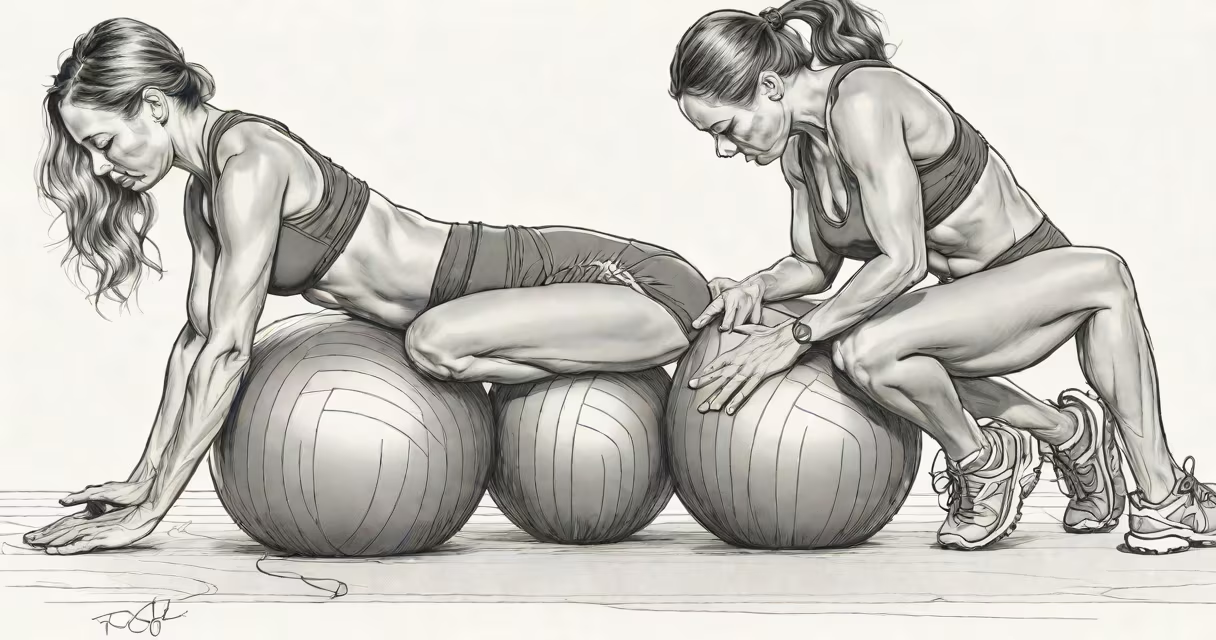
A belly reduce workout is a structured exercise routine designed to decrease abdominal fat and strengthen the core muscles. It combines resistance training, cardiovascular activity, and mindful movement to improve body composition over time. These workouts do not eliminate fat from the belly alone-fat loss occurs systemically-but they create conditions that favor reduced visceral fat and improved abdominal tone.
Research confirms that targeted abdominal exercises don't burn fat specifically in the belly. A 2019 study published in Obesity found that participants who performed daily abdominal crunches showed no greater fat loss in the abdominal region compared to control groups. Fat breakdown happens throughout the body when energy expenditure exceeds intake. However, consistent core work improves muscle density, which increases resting metabolic rate and supports long-term fat reduction.
The most effective belly reduce workout includes four components: changing cardio (like sprint intervals), compound strength moves (squats, deadlifts, push-ups), core-specific exercises (planks, leg raises), and recovery-focused mobility. These elements work together to improve heart rate, build lean mass, and improve insulin sensitivity-all factors linked to lower visceral fat accumulation.
When you perform high-intensity interval training (HIIT), your body uses stored glycogen and then shifts to fat oxidation during recovery. This process increases post-exercise calorie burn, known as excess post-exercise oxygen consumption (EPOC). A 2020 review in Frontiers in Physiology showed that 20-minute HIIT sessions three times weekly led to significant reductions in visceral fat over 12 weeks, even without dietary changes.
Core exercises like the hollow body hold or dead bug activate deep stabilizing muscles-the transverse abdominis and internal obliques-not just the rectus abdominis visible in the mirror. Strengthening these muscles improves posture, reduces lower back strain, and enhances functional movement. Over time, this leads to a flatter appearance, even if scale weight remains stable.
For example, a 12-week program using 3 days/week of circuit training (including burpees, mountain climbers, and kettlebell swings) combined with daily 10-minute planking routines resulted in a 6.8% average reduction in waist circumference among 42 participants, according to a 2021 pilot study at the University of California, San Diego.
Effective routines blend different movement patterns. Below is a breakdown of key exercise categories and their roles:
| Exercise Type | Examples | Primary Benefit |
|---|---|---|
| Cardiovascular | Sprint intervals, jump rope, cycling | Burns calories, elevates heart rate, promotes fat oxidation |
| Compound Strength | Goblet squats, Romanian deadlifts, push-ups | Builds lean muscle, boosts metabolism, improves insulin response |
| Core-Specific | Plank variations, leg raises, bird-dog | Strengthens deep abdominal muscles, improves stability |
| Mobility & Recovery | Child's pose, cat-cow, foam rolling | Reduces inflammation, prevents injury, supports circulation |
Many people assume that sit-ups and crunches are essential. They're not. Sit-ups generate high spinal compression and offer minimal functional benefit. A 2018 study in Spine Journal found that participants doing traditional crunches had higher rates of disc herniation risk compared to those using anti-rotation exercises like Pallof presses.
"Spot reduction" is a myth. You cannot burn fat from one area by exercising only that part. The body draws energy from fat stores globally. Even if you do 100 crunches daily, your belly won't shrink unless caloric intake is managed and total-body fat decreases.
Another error is overtraining the abs. Muscles grow stronger with rest. Training the core every day without recovery leads to diminished performance and increased injury risk. The American Council on Exercise recommends allowing 48 hours between intense core sessions.
I once tried a "30-day belly reduce challenge" that included 15 minutes of ab circuits twice daily. After week three, my lower back pain worsened. Switching to full-body HIIT with core activation exercises (like side planks and dead bugs) reduced pain and improved results. The difference wasn't intensity-it was movement quality.
People use a belly reduce workout to improve physical performance, improve body confidence, and reduce health risks associated with central adiposity. Visceral fat around organs is linked to insulin resistance, type 2 diabetes, and cardiovascular disease. Reducing waist circumference correlates strongly with improved biomarkers.
For example, a 2022 analysis from the National Institutes of Health showed that individuals with a waist-to-hip ratio above 0.9 (men) or 0.85 (women) had a 3.2x higher risk of developing metabolic syndrome. Even modest reductions in waist size-just 2 inches-can lower that risk.
A belly reduce workout is not a quick fix. It doesn't replace nutrition. It's not a substitute for medical treatment of hormonal imbalances or polycystic ovary syndrome (PCOS), both of which affect fat distribution. If someone has persistent bloating despite regular exercise, they may have underlying gut issues. This resource explains how bloating differs from fat accumulation.
Also, results vary based on baseline fitness, genetics, sleep, and stress levels. A 2021 meta-analysis in Journal of Clinical Endocrinology & Metabolism found that cortisol levels-elevated by chronic stress-directly influence fat storage in the abdominal region. High-stress individuals saw slower progress even with identical workout regimens.
Finally, avoid programs promising "melt belly fat in 7 days." No credible science supports such claims. Sustainable fat loss averages 0.5-1 kg (1-2 lbs) per week. Faster losses typically involve water or muscle loss, not fat.
Consistent effort, balanced nutrition, and proper recovery define success. A well-designed belly reduce workout builds resilience, improves movement efficiency, and supports long-term health. It's not about achieving a flat stomach overnight-it's about creating a body capable of sustained vitality.