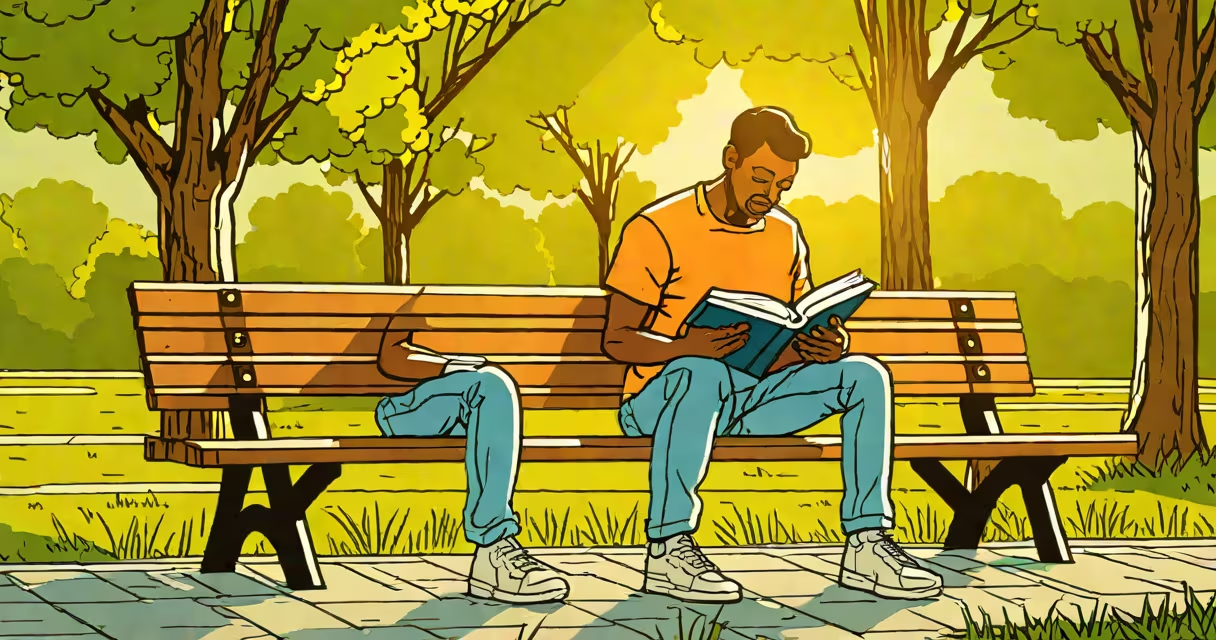
Being ok being alone means feeling at ease in your own presence without seeking external validation, distraction, or constant connection. It's not indifference to others, nor is it a rejection of relationships-it's the internal stability that allows you to be with yourself without discomfort.
Solitude isn't the same as isolation. Solitude is intentional, often chosen. Isolation is forced, often accompanied by distress. When someone is ok being alone, they aren't waiting for someone else to make their time meaningful. They don't feel the need to check their phone every few minutes or fill silence with noise.
This state develops through consistent self-reflection and boundary-setting. It doesn't happen overnight. People who are comfortable alone have learned to tolerate boredom, sit with uncertainty, and accept that not every moment needs to be shared or productive.
Neuroscience shows that prolonged social engagement activates reward centers in the brain-dopamine and oxytocin release during interaction. But when we're alone, those systems quiet down. For someone not accustomed to solitude, this drop can feel like emptiness or anxiety.
People who are ok being alone have trained their nervous system to interpret stillness as safe, not threatening. This isn't about suppressing emotion-it's about recognizing that loneliness is not the same as being alone. Loneliness is a gap between desired and actual social connection. Being alone is simply physical or emotional separation from others.
A 2021 study published in Journal of Personality and Social Psychology found that individuals who reported higher levels of "solitude satisfaction" scored lower on measures of anxiety and higher on life satisfaction-even when controlling for relationship status. The key wasn't being single or living alone-it was the ability to engage with oneself without judgment.
Being ok being alone isn't a single trait. It's a cluster of habits and mindsets that build over time:
These traits aren't innate. They're practiced. One person I met in a mindfulness retreat told me he used to panic when his phone died during a hike. Now, he plans solo walks weekly. He doesn't need to talk to anyone. He listens to birds, feels wind, and notices how his thoughts change when he stops trying to control them.
People often confuse being ok being alone with being antisocial, emotionally detached, or depressed. That's incorrect. Someone who is ok being alone may enjoy deep conversations, long-term partnerships, or group activities. Their comfort with solitude isn't a substitute for connection-it's a foundation for healthier ones.
Another myth: that solitude leads to creativity. While solitude can support creative work, it's not guaranteed. A 2019 study in Psychological Science showed that creative performance improved only when participants had both solitude and prior structure-like a clear goal or routine. Without that, solitude led to rumination, not insight.
Here's a key distinction most guides miss: being ok being alone isn't about minimizing your need for others. It's about reducing your dependence on others to feel whole. You don't have to stop wanting connection-you just don't have to wait for it to exist.
Consider Maya, 34, a freelance graphic designer who lives alone in Portland. She wakes at 7:30 a.m., makes coffee, and sits on her balcony for 20 minutes without checking her phone. She watches clouds form and thinks about a project she's working on. No music. No podcast. Just stillness.
She spends the morning designing a logo. Midway through, she pauses. Her mind wanders. She feels a flicker of unease-"Am I doing enough?" She takes three deep breaths. Reminds herself: "This is not failure. This is part of the process." She continues.
At noon, she texts a friend: "Thinking of you. Want to grab lunch tomorrow?" She doesn't expect a reply. She's not lonely. She's choosing connection on her terms.
Later, she watches a film alone. She eats leftovers. She doesn't feel empty. She feels complete. That's being ok being alone-not because she has no one, but because she doesn't need to prove her worth through company.
Not all solitude is equal. The quality of your time alone depends on intention and context. Here's how they differ:
| Type | Intention | Emotional Outcome | Example |
|---|---|---|---|
| Voluntary solitude | Chosen for reflection, creation, or rest | Renewed focus, clarity, calm | Reading a novel in bed on a Sunday morning |
| Forced solitude | Imposed by circumstances (illness, travel, quarantine) | Often triggers anxiety or grief | Stuck in a hotel room during a canceled trip |
| Loneliness | Unwanted isolation due to unmet social needs | Low mood, fatigue, rumination | Feeling isolated after a breakup, even when surrounded by people |
| Contemplative solitude | Used for spiritual or introspective practice | Inner peace, increased self-awareness | Meditating daily for 15 minutes |
Only voluntary and contemplative solitude align with being ok being alone. Forced solitude and loneliness are signs of imbalance, not strength.
Research from the University of California, Berkeley, shows that adults who report high comfort with solitude are less likely to experience burnout in high-stress jobs. They also show greater resilience during crises-like illness or job loss-because they're not reliant on external reassurance to maintain stability.
Being ok being alone also improves decision-making. A 2020 study in Organizational Behavior and Human Decision Processes found that individuals who spent 10 minutes alone before making choices were 23% more likely to select options aligned with their values-especially under pressure.
And here's a non-obvious point: people who are comfortable alone are more likely to initiate relationships. They don't seek partners to fix loneliness. They reach out because they want connection-not because they're afraid of being alone.
Not everyone who spends time alone is okay being alone. Signs that solitude has turned into avoidance include:
If solitude triggers shame or fear, it's not healthy. It's a sign of unresolved attachment patterns or past trauma. In such cases, therapy can help rebuild trust in the self.
Being ok being alone isn't a destination. It's a daily practice-like brushing your teeth or stretching. Some days, you'll feel steady. Other days, you'll notice discomfort and return to breath, journaling, or walking.
It's not about never feeling lonely. It's about knowing that loneliness doesn't define you. You can be alone and still feel rich inside.
As the it will be ok quote reminds us: "You don't have to be happy all the time. You just have to be okay being alone."