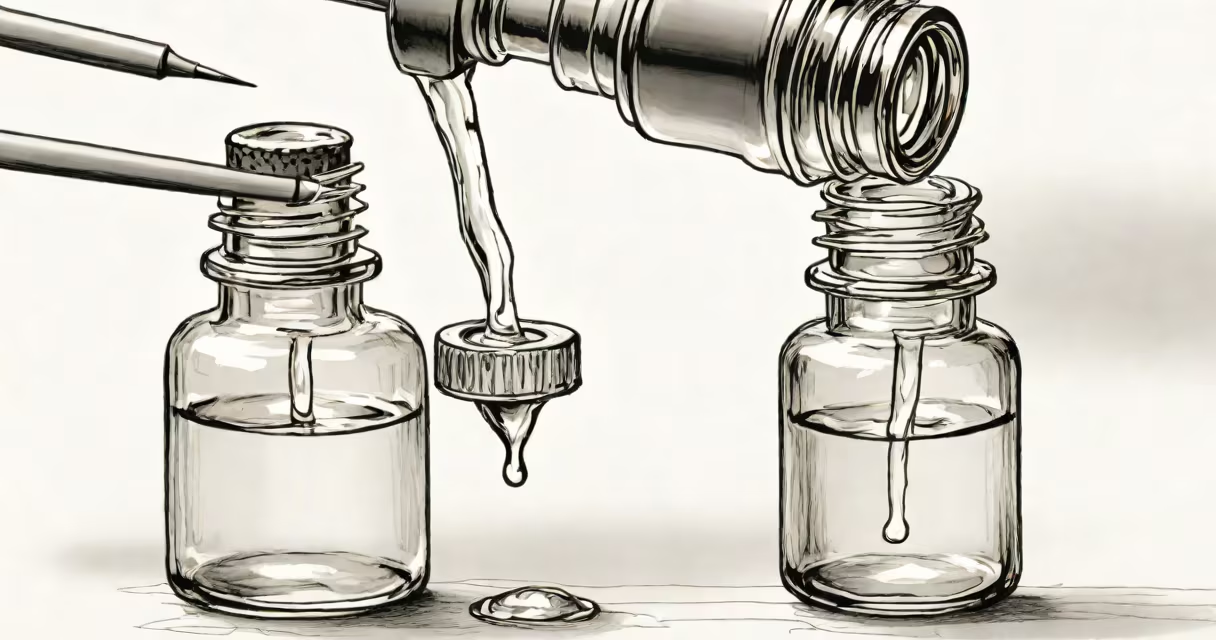
Best eye drops for corneal erosion are sterile ophthalmic solutions designed to soothe surface damage, reduce inflammation, and support epithelial healing. These drops contain lubricants, preservative-free formulations, or low-dose medications to protect the cornea while minimizing irritation. They're prescribed or recommended based on severity, cause, and patient history.
Corneal erosion occurs when the outer layer of the cornea-the epithelium-peels or detaches. This often results from trauma, dry eyes, or underlying conditions like recurrent corneal erosion syndrome. The cornea's high sensitivity means even minor damage causes intense pain, light sensitivity, and blurred vision. Without proper care, incomplete healing increases infection risk and may lead to scarring.
Topical eye drops act directly on the ocular surface. They reduce friction during blinking, maintain hydration, and in some cases, deliver antibiotics or anti-inflammatory agents. Drops must be sterile, pH-balanced, and free of preservatives if used frequently. Using non-prescription drops meant for dry eyes can worsen damage if they contain ingredients that irritate injured tissue.
These drops function through three primary mechanisms: physical protection, hydration, and biochemical support. Lubricating drops form a protective film over the damaged area, reducing mechanical stress from eyelid movement. Hydration maintains tear film stability, preventing further desiccation of exposed nerves. Some drops include growth factors or anti-inflammatory agents that accelerate cell regeneration.
For example, a 2021 study published in Cornea found that patients using preservative-free hyaluronic acid drops experienced faster re-epithelialization and reduced pain scores compared to saline-only controls. The study tracked 67 participants with mild-to-moderate corneal erosions over 14 days. Those using hyaluronic acid reported 40% less discomfort and showed complete healing in 89% of cases by day 10.
Prescription drops like cyclosporine A (Restasis) or lifitegrast (Xiidra) are sometimes used off-label for chronic cases. They modulate immune activity at the ocular surface, reducing inflammation that delays healing. However, these require medical supervision due to side effects such as burning, stinging, or temporary blurring.
Not all eye drops are suitable for corneal erosion. The most effective options fall into three categories: lubricants, medicated solutions, and regenerative formulations.
| Type | Key Ingredients | Use Case | Example Products |
|---|---|---|---|
| Lubricating drops | Hyaluronic acid, carboxymethylcellulose, polyethylene glycol | Mild erosion, dryness-related damage, post-procedure recovery | Hylo, Systane Ultra, Refresh Optive |
| Medicated drops | Antibiotics (e.g., erythromycin), corticosteroids (e.g., prednisolone) | Infection risk, significant inflammation, post-surgical care | Maxitrol, Pred Forte (prescription only) |
| Regenerative drops | Growth factors (e.g., epidermal growth factor), autologous serum | Recurrent erosion, persistent defects, neurotrophic keratopathy | Amniotic membrane-derived drops, custom compounded serum drops |
Preservative-free formulations are essential. A 2019 review in Eye & Contact Lens confirmed that benzalkonium chloride, a common preservative, damages corneal cells at concentrations as low as 0.01%. Repeated exposure leads to apoptosis and impaired barrier function. Patients with corneal erosion should avoid multi-use bottles unless labeled "preservative-free."
One non-obvious distinction: not all "artificial tears" are safe for corneal injury. Over-the-counter drops containing vasoconstrictors like tetrahydrozoline (found in Visine) can cause rebound redness and delay healing. These are intended for transient redness, not structural damage.
Many patients assume over-the-counter eye drops will heal corneal erosion. This is incorrect. While lubricants can ease symptoms, they don't repair tissue. Using drops with preservatives or vasoconstrictors can prolong recovery or trigger secondary irritation.
Another misconception is that eye drops alone resolve recurrent corneal erosion. Up to 30% of cases recur within six months without additional interventions. According to the American Academy of Ophthalmology, recurrent episodes often require bandage contact lenses, phototherapeutic keratectomy (PTK), or punctal plugs to stabilize tear film.
I once treated a patient who used Visine for daily redness. After a minor scratch from a fingernail, he developed severe pain and light sensitivity. He assumed the drops were helping. Upon examination, we found epithelial breakdown and signs of chemical irritation. Switching to preservative-free hyaluronic acid drops reduced symptoms within 48 hours. The episode underscored that symptom relief doesn't equal healing.
Best eye drops for corneal erosion are not a substitute for diagnosis. If pain persists beyond 24 hours, vision worsens, or discharge appears, consult an ophthalmologist. Corneal erosion can progress to ulceration or perforation if untreated.
Red flags include: constant tearing, inability to open the eye, visible cloudiness, or worsening light sensitivity. A slit-lamp exam with fluorescein staining confirms the extent of damage. This test uses a dye that highlights damaged areas under blue light-visible defects appear green.
Healing typically takes 3-7 days for minor erosion. Recurrent cases may take weeks. During recovery, avoid rubbing the eye, wearing contact lenses, or being in dusty environments. Use sunglasses outdoors to reduce photophobia.
Best eye drops for corneal erosion are not one-size-fits-all. Choosing the right formulation requires understanding the cause, severity, and individual health factors. Always consult a healthcare provider before starting treatment. Self-treatment risks delaying recovery or worsening damage.