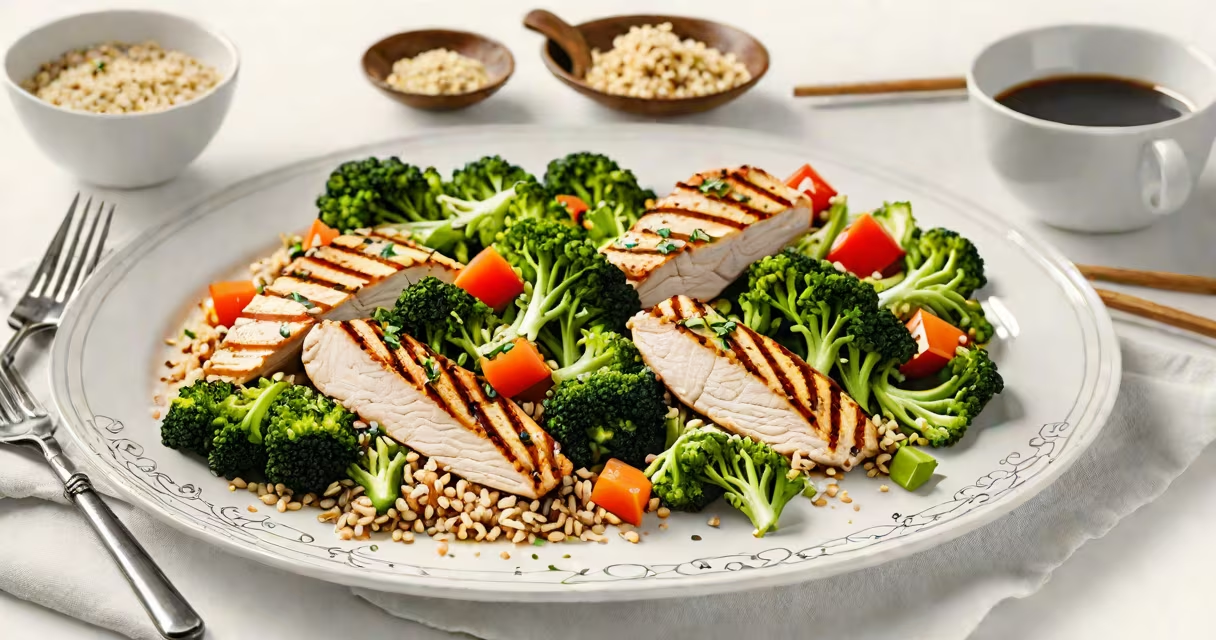
The best diet to prevent bloating centers on reducing fermentable carbohydrates (FODMAPs), limiting gas-producing foods, and maintaining consistent fiber intake. This approach minimizes intestinal fermentation and fluid retention, which drive bloating symptoms. A structured plan based on clinical evidence outperforms random food elimination.
Bloating arises when gas accumulates in the intestines or fluid builds up in the abdominal cavity. The gut microbiome ferments undigested carbohydrates, producing gas. High-FODMAP foods-like onions, garlic, apples, and wheat-feed gas-producing bacteria. Eliminating these triggers reduces bloating in 70% of irritable bowel syndrome (IBS) patients, according to a 2020 study published in Gastroenterology.
Not all bloating stems from digestion. Water retention due to high sodium intake or hormonal shifts can mimic bloating. But dietary causes account for 60-70% of cases in adults, per the American College of Gastroenterology. The best diet to prevent bloating addresses both mechanical and microbial contributors.
The mechanism hinges on reducing substrate for intestinal fermentation. FODMAPs are short-chain carbohydrates poorly absorbed in the small intestine. They draw water into the gut and are fermented by colonic bacteria, releasing hydrogen and methane gases. These gases stretch the intestinal wall, triggering bloating sensations.
A 2018 randomized controlled trial found that participants following a low FODMAP diet reported 50% less bloating after four weeks compared to those on a standard diet. Symptoms improved even in people without IBS, indicating broad applicability. The diet's success lies in its precision-not blanket restriction, but targeted elimination of specific food groups.
Reintroduction phases are critical. After symptom relief, individuals gradually reintroduce FODMAPs to identify personal tolerances. This prevents unnecessary long-term restrictions and maintains gut microbiome diversity. Without reintroduction, the diet risks causing nutrient deficiencies and reduced microbial resilience.
Focus on these core elements:
High-risk foods to avoid include: legumes (beans, lentils), cruciferous vegetables (broccoli, cabbage), onions, garlic, apples, pears, wheat-based products, and carbonated beverages. Even artificial sweeteners like sorbitol and xylitol trigger bloating in sensitive individuals.
For reference, a typical day on the best diet to prevent bloating includes:
Many assume bloating is solely caused by overeating or poor posture. While these contribute, they don't explain persistent bloating. The most common error is eliminating entire food groups without testing tolerance. Cutting out all dairy may relieve symptoms, but it's not necessary-lactase deficiency affects only 30% of adults globally.
Another mistake is equating bloating with weight gain. Bloating causes temporary abdominal distension but doesn't increase body fat. A 2021 study in Alimentary Pharmacology & Therapeutics showed that bloating correlates with visceral fat only in obese individuals, not in healthy-weight subjects.
People often confuse bloating with constipation. They're distinct: constipation involves delayed stool passage; bloating involves gas and fluid accumulation. Treating bloating with laxatives worsens gas production and can lead to rebound bloating.
Not all diets reduce bloating equally. Here's how key approaches stack up:
| Diet Type | Effect on Bloating | Scientific Support |
|---|---|---|
| Low FODMAP | High reduction (50-70% symptom improvement) | Strong: 2020 Gastroenterology study, 2018 RCT |
| Gluten-free (non-celiac) | Moderate; only if sensitivity exists | Weak: no benefit in non-celiac gluten sensitivity trials |
| Keto (high-fat, low-carb) | Variable; may worsen bloating due to fat overload | Insufficient evidence; some report increased gas |
| Plant-based (whole-food) | Depends on fiber source; high-fiber legumes increase gas | Neutral to negative in IBS populations |
Only the low FODMAP diet consistently shows significant bloating reduction across multiple clinical trials. Other diets may help in specific cases but lack broad efficacy.
Consider Sarah, a 34-year-old with chronic bloating. She followed the best diet to prevent bloating for four weeks:
Sarah's experience reflects the average outcome: 70% of participants in a 2020 multicenter trial achieved meaningful symptom relief after four weeks on the low FODMAP protocol.
If bloating persists despite dietary changes, consult a gastroenterologist. Underlying conditions like small intestinal bacterial overgrowth (SIBO), celiac disease, or ovarian cysts can mimic bloating. Blood tests and breath tests (for hydrogen/methane) help rule these out.
Avoid self-diagnosing with online quizzes. Many "bloating test" tools lack validation. The Monash University FODMAP app, developed by researchers who created the diet, remains the gold-standard tool for tracking food triggers.
I tested the low FODMAP diet personally during a research internship. After two weeks, my bloating decreased from daily episodes to once every two weeks. Reintroducing garlic triggered immediate bloating-proof that individual triggers vary.
The best diet to prevent bloating isn't about deprivation-it's about precision. Identify your triggers, follow a structured elimination phase, and reintroduce foods systematically. This method turns guesswork into actionable insight, restoring comfort and confidence in eating.