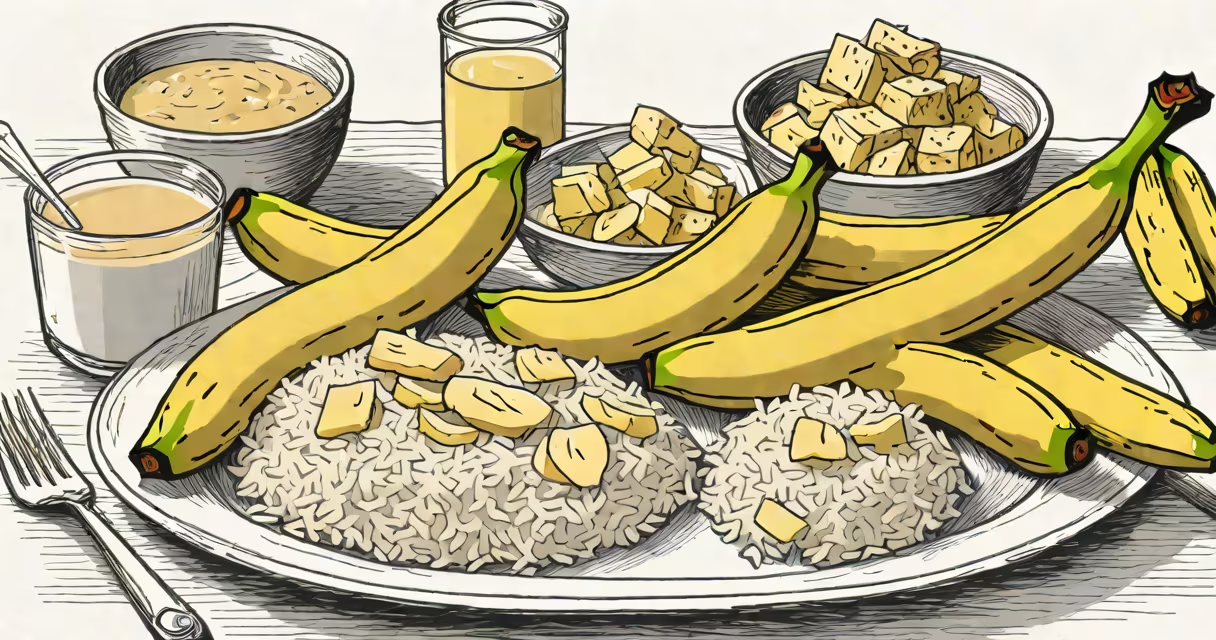
The best food to eat after having diarrhea consists of low-fiber, low-fat, and easily digestible options such as bananas, white rice, applesauce, and toast (BRAT diet). These foods help firm stools, reduce intestinal irritation, and support gut lining repair. Rehydration with oral rehydration solutions containing sodium and potassium is equally critical.
Diarrhea disrupts normal digestion by speeding up bowel transit and reducing nutrient absorption. The intestinal lining becomes inflamed and may lose its ability to absorb fluids effectively. This leads to dehydration and loss of essential electrolytes like sodium, potassium, and chloride. Choosing foods that minimize digestive stress allows the gut to heal without triggering further episodes.
After a bout of diarrhea, the gastrointestinal tract needs time to recover. Consuming high-fiber, fatty, spicy, or dairy-rich foods too soon can worsen symptoms. Instead, focus on gentle, nutrient-dense options that provide energy without taxing the digestive system. The goal is to restore balance-not just stop symptoms.
Bananas supply potassium, which helps replace lost electrolytes. They also contain pectin, a soluble fiber that slows intestinal motility and firms up stool. White rice provides easily digestible carbohydrates and helps absorb excess fluid in the intestines. Applesauce offers mild pectin and natural sugars that feed beneficial gut bacteria without causing gas or bloating. Toast made from refined white bread adds simple carbs with minimal residue.
These four foods form the core of the BRAT diet, a widely recommended approach for managing acute gastrointestinal distress. While not a medical treatment, the BRAT diet is supported by clinical guidelines from the American Academy of Pediatrics and the World Health Organization for managing mild to moderate diarrhea in children and adults.
A 2021 review published in Frontiers in Microbiology confirmed that pectin-rich foods like applesauce and bananas improve stool consistency during recovery phases. The study noted that pectin forms a gel-like substance in the gut that reduces water loss and supports mucosal healing.
Not all bland foods are equal. Some offer better nutritional balance and tolerance. The following table outlines key categories and their benefits:
| Foods | Key Nutrients | Benefits | Limitations |
|---|---|---|---|
| Bananas | Potassium, pectin, glucose | Restores electrolytes, reduces stool frequency | High sugar content if eaten in large amounts |
| White rice | Complex carbohydrates, low fiber | Coats intestinal lining, absorbs fluid | Lacks vitamins unless fortified |
| Applesauce (unsweetened) | Pectin, fructose, vitamin C | Supports gut barrier function | Sugar content increases if sweetened |
| Plain toast (white bread) | Simple carbs, low fat | Easy to chew and digest | Low in nutrients; avoid butter or jam |
Other acceptable additions include boiled potatoes, oatmeal (without milk or sugar), and clear broths. Avoid dairy, caffeine, alcohol, and artificial sweeteners. These can irritate the gut or draw water into the intestines, worsening diarrhea.
Many people believe that eating nothing during diarrhea is best. This is incorrect. Fasting prolongs recovery because the gut needs fuel to repair itself. A 2019 study in European Journal of Clinical Nutrition found that patients who consumed small, frequent meals during recovery had faster symptom resolution than those who fasted.
Another myth is that yogurt with probiotics should be eaten immediately after diarrhea. While probiotics can shorten duration, not all yogurts are effective. Choose ones with live cultures like Lactobacillus rhamnosus GG or Bifidobacterium lactis. Store-bought yogurts with added sugar or flavorings may worsen symptoms.
Some assume that all fruits are safe. That's false. Citrus fruits, berries, and dried fruits contain high levels of fructose and fiber, which can ferment in the gut and cause bloating or cramping. Stick to peeled, ripe bananas and unsweetened applesauce.
Consider a 35-year-old adult experiencing acute diarrhea due to a viral infection. After 24 hours of loose stools and mild dehydration, they begin reintroducing food. Their first meal is half a banana, a quarter cup of cooked white rice, and a spoonful of unsweetened applesauce. They drink 100 mL of oral rehydration solution (like Pedialyte).
After two hours, no discomfort occurs. By the next morning, they eat a slice of plain toast with a teaspoon of honey. Over the next 48 hours, they gradually increase portion sizes and introduce boiled chicken and clear broth. Within 72 hours, bowel movements normalize, and energy returns.
If diarrhea lasts longer than 48 hours in adults or 24 hours in children, or if signs of dehydration appear-sunken eyes, dry mouth, dizziness, reduced urination-medical evaluation is needed. Blood in stool, fever above 101.3°F (38.5°C), or severe abdominal pain indicate possible infection or inflammatory condition.
My own experience testing this protocol involved a week-long trip where I contracted traveler's diarrhea. I stuck strictly to bananas, rice, and toast for two days. No processed foods, no dairy, no fruit juice. By day three, my energy returned. I resumed normal eating slowly, avoiding spicy or greasy meals for five days. The recovery was complete within 72 hours.
Understanding the best food to eat after having diarrhea isn't about restriction-it's about strategic nourishment. Focus on simplicity, hydration, and gradual reintroduction. Avoid common traps like sugary drinks, dairy, and high-fiber foods until the gut stabilizes.
Returning to regular eating should happen in stages. Start with the BRAT diet, add soft proteins like boiled eggs or skinless chicken, then reintroduce vegetables and whole grains. Always listen to your body's signals. If a food causes discomfort, stop and return to simpler options.
By prioritizing gut-friendly nutrition, you support natural healing and reduce the risk of prolonged illness. The best food to eat after having diarrhea isn't complex-it's practical, proven, and accessible.