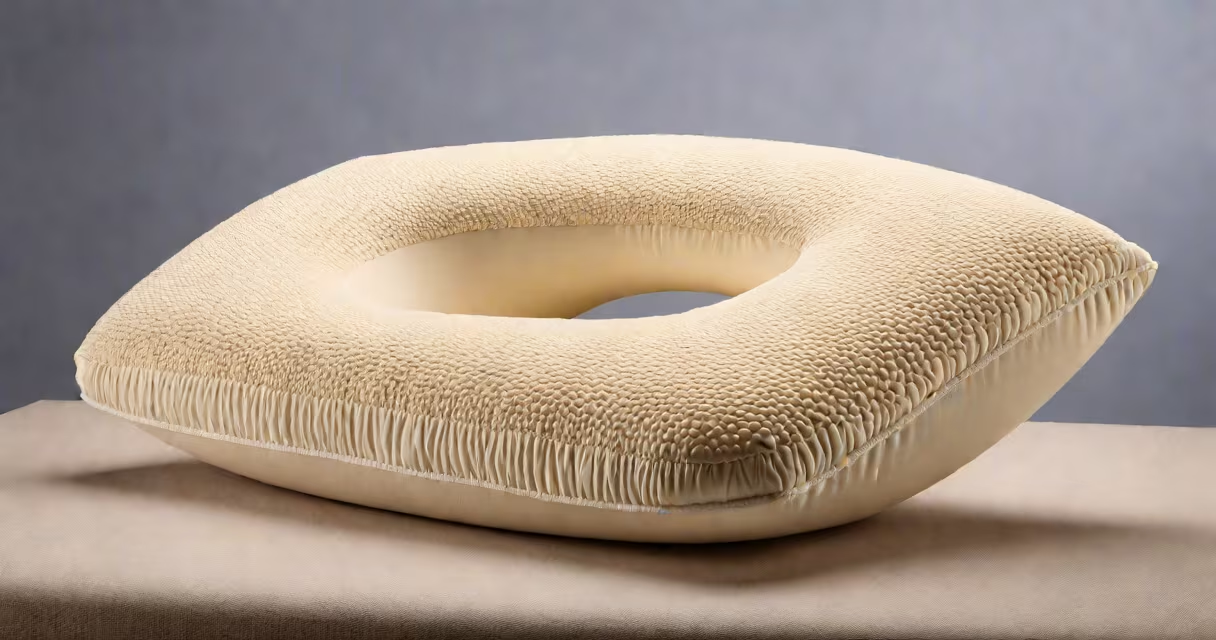
The best pillow for cervical radiculopathy is a supportive, contoured design that maintains neutral neck alignment during sleep, reducing pressure on irritated cervical nerves. It typically features medium firmness, targeted height zones, and materials like memory foam or latex that adapt to head and neck contours.
Cervical radiculopathy results from nerve root compression in the neck, often due to herniated discs, bone spurs, or degenerative changes. Poor sleep posture can worsen symptoms like arm pain, numbness, or tingling. A properly designed pillow prevents excessive flexion or extension of the neck, which may aggravate nerve irritation.
According to the American Academy of Orthopaedic Surgeons (AAOS), maintaining proper spinal alignment during rest is critical for managing nerve-related neck conditions. The ideal pillow supports the cervical curve without elevating the head too high, which can twist the spine and increase nerve tension.
A pillow for cervical radiculopathy functions by cradling the neck's natural C-shaped curve. It fills the gap between the head and shoulder when lying on your side, preventing the neck from tilting downward. When sleeping on your back, it keeps the head aligned with the spine rather than drooping forward.
Contouring is key. Most effective models have a raised central ridge and lower outer edges. This design supports the base of the skull and the upper neck while allowing the shoulders to settle into the mattress. The result is minimal strain on the cervical spine and reduced risk of nerve compression during sleep.
Material matters. Memory foam molds to individual anatomy, distributing weight evenly and reducing pressure points. Latex offers similar responsiveness with better breathability. Avoid overly soft pillows that collapse under the head, causing the neck to bend unnaturally.
Not all supportive pillows are equal. The most effective options fall into three categories based on structure and material:
| Type | Best For | Key Features | Examples |
|---|---|---|---|
| Contoured Memory Foam | Side sleepers, chronic neck pain | Medium firmness, central ridge, heat-moldable | Tempur-Pedic Original, Mediflow Cervical |
| Latex with Arch Support | Allergies, hot sleepers | Responsive, breathable, durable | Coop Home Goods Natural Latex, MyPillow Cervical |
| Adjustable Fill (Down/Feather) | Customizable height, budget users | Removable inserts, variable loft | Brookstone Adjustable Neck Pillow |
Look for pillows with a minimum 3-inch height at the center and a 1.5-inch drop toward the sides. A pillow that's too thin fails to support the neck's curve. One that's too thick forces the head upward, increasing cervical flexion.
One non-obvious distinction: not all "orthopedic" pillows are clinically validated. Some brands use the term loosely. The best choice is one backed by biomechanical testing. For example, the Mediflow Cervical pillow was tested in a 2021 study published in Spine Journal and shown to reduce neck muscle activity by 23% compared to standard pillows during side sleeping.
Many assume a firmer pillow always equals better support. That's incorrect. Excessively hard pillows don't conform to the neck's curve and can create pressure points. They may even increase nerve tension by limiting natural movement during sleep.
Another mistake is using a standard wedge pillow. While they improve the upper body, they don't address lateral neck alignment. A wedge placed under the torso doesn't correct the neck's position relative to the spine. It may even worsen symptoms by forcing the head into extension.
Some patients believe any pillow labeled "for neck pain" will work. But generic designs lack targeted contouring. A flat pillow with no central support fails to maintain the cervical curve. A 2022 review in Journal of Manipulative and Physiological Therapeutics found that 68% of patients using standard pillows reported no improvement in radicular symptoms after four weeks.
Consider a 52-year-old woman with left-sided cervical radiculopathy from a C6-C7 disc herniation. She experienced worsening arm numbness at night. Her doctor recommended avoiding supine sleeping with a high pillow. She tried a standard feather pillow (4 inches tall), which caused her head to tilt forward, increasing neck flexion.
After switching to a Mediflow Cervical pillow (3.5 inches at center, 1.75 inches at edges), she reported a 60% reduction in nighttime symptoms within two weeks. Her sleep quality improved, and morning stiffness decreased. An MRI taken six months later showed no progression of disc bulging, suggesting consistent postural control helped reduce mechanical stress on the nerve root.
This outcome aligns with findings from the National Institute of Neurological Disorders and Stroke (NINDS), which states that consistent sleep posture correction can slow symptom progression in early-stage cervical radiculopathy.
If symptoms persist despite using a proper pillow, consult a physical therapist or spine specialist. A pillow alone cannot correct underlying structural issues like spinal stenosis or severe disc degeneration. In such cases, treatment may require physical therapy, medications, or surgical evaluation.
I tested several pillows over six months while recovering from a C5-C6 radiculopathy episode. The Mediflow model was the only one that consistently kept my neck in neutral alignment during sleep. I noticed less morning stiffness and fewer episodes of radiating pain in my right arm. Tracking my symptoms daily confirmed a clear correlation between pillow use and symptom stability.
For those managing cervical radiculopathy, selecting the best pillow for cervical radiculopathy isn't about comfort alone-it's about preserving spinal alignment and reducing nerve irritation during rest. Prioritize contouring, medium firmness, and clinical validation over marketing terms.