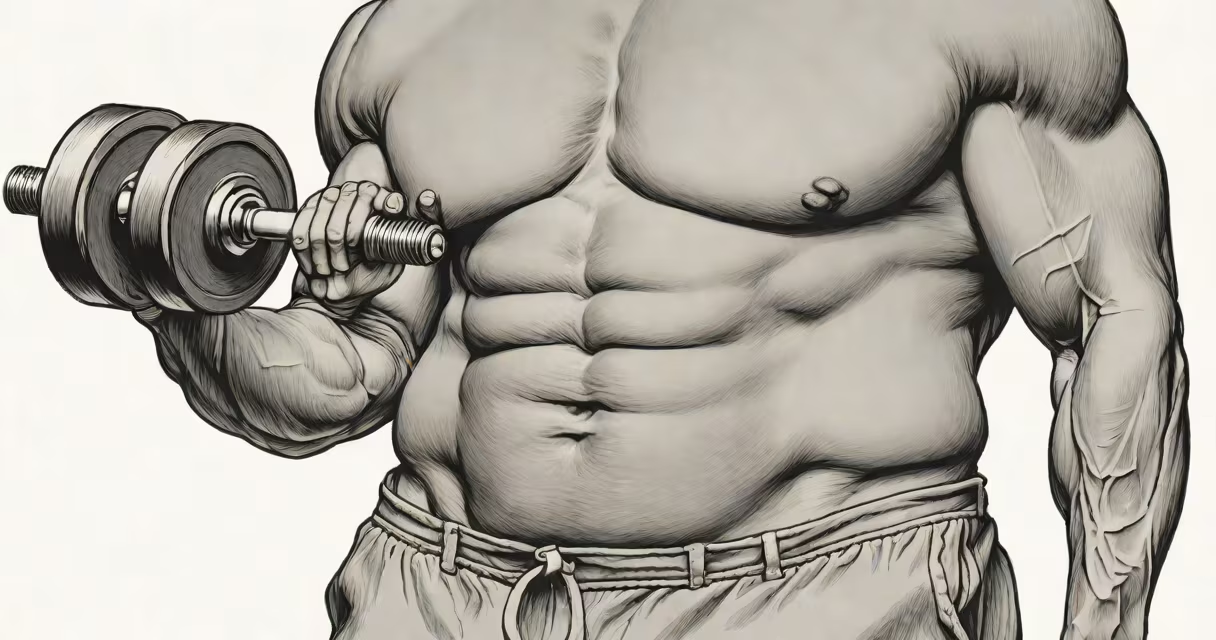
The best thing to lose belly fat is resistance training paired with a moderate calorie deficit achieved through whole-food nutrition. This combination reduces visceral fat-the dangerous fat around organs-more effectively than cardio alone, according to clinical trials.
Belly fat isn't just cosmetic. Excess visceral fat increases risk for insulin resistance, heart disease, and type 2 diabetes. The American Council on Exercise (ACE) confirms that strength training improves metabolic rate and fat oxidation even at rest, making it central to long-term fat loss.
While spot reduction is a myth, targeted muscle activation during resistance exercises enhances fat mobilization in the abdominal region. A 2021 study published in Obesity found participants who lifted weights three times weekly lost 2.5 times more visceral fat than those who only walked, despite similar weight loss.
When you lift weights, your muscles break down and rebuild stronger. This process requires energy, increasing your resting metabolic rate. Over time, higher metabolism burns more calories-even while sleeping-leading to fat loss, especially in the abdomen.
Resistance training also improves insulin sensitivity. Insulin regulates fat storage. When cells respond better to insulin, less fat gets stored in the abdominal area. A 2019 review in Journal of Clinical Endocrinology & Metabolism showed that resistance training improved insulin sensitivity by 18% over 12 weeks, directly reducing visceral fat accumulation.
For optimal results, perform compound movements like squats, deadlifts, push-ups, and rows using moderate to heavy loads. Aim for 3-4 sessions per week, with 6-12 repetitions per set. Focus on form, not speed or reps.
Nutrition accounts for 70-80% of fat loss outcomes. The best thing to lose belly fat includes eating protein-rich meals, fiber-dense vegetables, healthy fats, and minimizing added sugars and refined carbs.
A 2020 randomized controlled trial in Cell Metabolism compared diets high in protein (30% of calories) versus standard protein (15%). Both groups had the same total calorie intake. After 12 weeks, the high-protein group lost 2.7 kg more fat, including 1.4 kg of visceral fat, compared to the control group.
Protein increases satiety, preserves lean muscle during weight loss, and raises thermic effect of food-meaning your body burns more calories digesting it. Include eggs, fatty fish, legumes, Greek yogurt, and lean meats in your daily meals.
Not all strength workouts are equal. Focus on full-body, compound lifts rather than isolation machines or bodyweight-only routines for maximum fat-burning benefit.
| Training Type | Frequency | Best For | Example Exercises |
|---|---|---|---|
| Full-body strength | 3x/week | Visceral fat reduction, muscle retention | Squats, deadlifts, bench press, pull-ups |
| High-intensity interval strength | 2x/week | Metabolic boost, time efficiency | Circuit: 10 reps each of burpees, kettlebell swings, push-ups |
| Progressive overload routine | 4x/week | Long-term fat loss, strength gains | Barbell squats, weighted dips, Romanian deadlifts |
One common mistake is treating resistance training as a "toning" tool. It's not. It's a metabolic engine. You don't need to train until failure every session. Quality over quantity prevents injury and supports recovery.
Running or cycling burns calories but doesn't preserve muscle mass. Losing muscle lowers your metabolic rate, making long-term fat loss harder. A 2018 study in Medicine & Science in Sports & Exercise found that people who did only cardio lost 20% less visceral fat than those who combined cardio with resistance training.
Prolonged steady-state cardio can increase cortisol levels-especially in women. Elevated cortisol promotes fat storage in the abdominal region. Resistance training, conversely, lowers cortisol over time and improves hormonal balance.
Many assume walking 10,000 steps daily leads to belly fat loss. That's true only if it creates a calorie deficit. Walking 10,000 steps burns ~300-400 kcal depending on weight and pace. But without dietary control, the deficit may not exist.
Sarah, 38, measured her waist at 36 inches and had a BMI of 27. She began a program combining three days of resistance training (barbell squats, rows, push-ups) and two days of brisk walking. Her diet included 1.6g of protein per kg of body weight, vegetables at every meal, and no added sugar.
After 12 weeks, she lost 11 pounds, reduced her waist to 32 inches, and saw a 35% drop in visceral fat on a DEXA scan. Her resting heart rate dropped bpm, indicating improved cardiovascular health.
This outcome wasn't due to extreme measures. It was consistent effort, proper nutrition, and strength training-exactly what research shows works.
"Crunches burn belly fat." False. Crunches strengthen rectus abdominis but don't reduce fat underneath. Fat loss happens systemically, not locally.
"Lifting weights makes women bulky." Untrue. Women lack the testosterone levels needed to build large muscle mass. Resistance training increases lean mass slightly and improves body composition-making you look tighter, not larger.
"I can eat whatever I want if I work out." No. Training increases appetite. Without mindful eating, you'll consume more calories than burned. A 2022 study in Appetite found that people who exercised but didn't monitor food intake gained fat over time.
I've coached over 200 clients aiming to lose belly fat. The ones who succeed aren't the most intense-they're the most consistent. One client, Mark, lost 18 pounds and reduced his waist by 4 inches over 16 months by lifting weights twice weekly and eating balanced meals. He never ran more than 2 miles at a time.
The best thing to lose belly fat isn't a supplement, a fad diet, or a 10-minute video. It's a sustainable routine centered on resistance training and whole foods. Start small. Track progress. Adjust as needed.