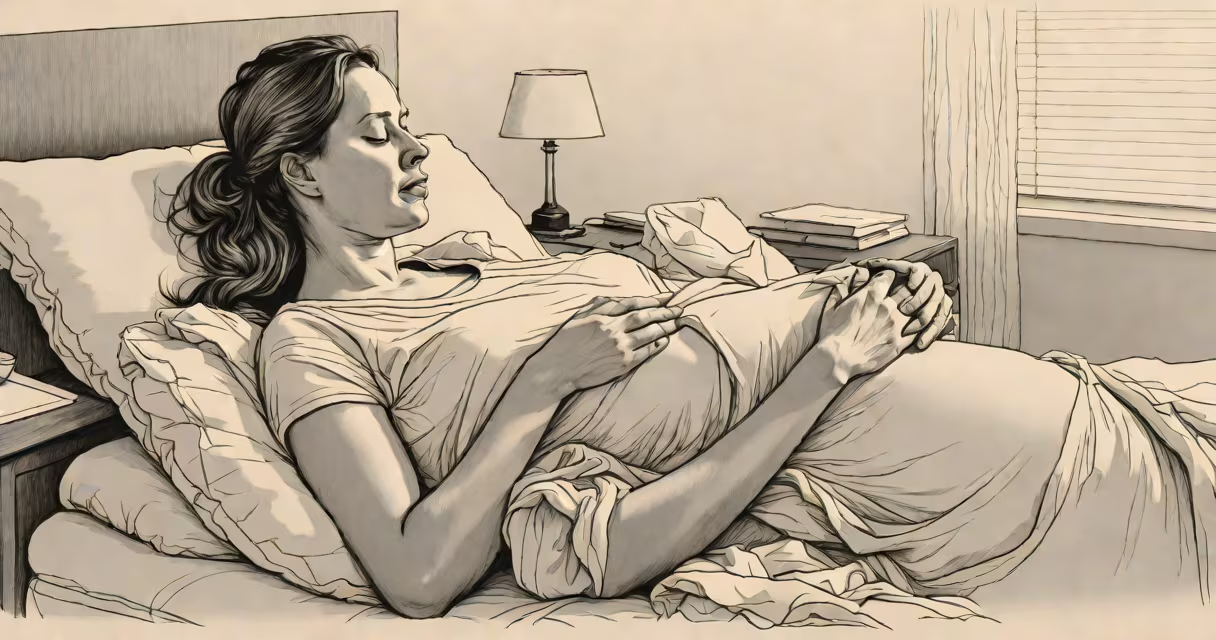
A breathing exercise for labor and delivery is a structured pattern of inhalation and exhalation used to manage pain, reduce anxiety, and maintain focus during contractions. These techniques are often taught in prenatal classes and form part of evidence-based methods like the Lamaze method.
During early labor, slow, deep breaths help regulate the nervous system and prevent hyperventilation. As contractions intensify, breathing patterns shift to shorter, faster rhythms-often described as "hee-hee-hoo" or "pant-pant-pant"-to manage peak intensity. The goal is not to eliminate pain but to channel attention away from discomfort and toward control.
Research shows that consistent use of breathing techniques reduces perceived pain levels and the need for pharmacological interventions. A 2018 study published in the Journal of Perinatal Education found that women who practiced breathing exercises reported lower pain scores and higher satisfaction with their birth experience compared to those who did not.
The body's response to pain involves both physical and emotional components. Breathing exercises disrupt the stress-pain cycle by activating the parasympathetic nervous system, which calms the heart rate and lowers cortisol. This physiological shift makes contractions feel more manageable.
Each phase of labor requires a different breathing strategy. In early labor, slow, diaphragmatic breathing-inhaling through the nose, exhaling through the mouth-helps conserve energy. As dilation progresses, women transition to shallow, rapid breaths during the peak of a contraction, then return to slower breathing between contractions.
For example, during a 60-second contraction, a woman may inhale slowly for four seconds, hold for one second, then exhale forcefully over five seconds. Repeating this pattern synchronizes breath with the contraction's rhythm. This coordination prevents breath-holding and reduces muscle tension.
Common breathing patterns used in labor include:
| Phase | Pattern | Use Case |
|---|---|---|
| Early Labor | Slow, deep breaths (4 sec in, 6 sec out) | Relaxation, energy conservation |
| Active Labor | "Pant-blow" (short, quick breaths) | Managing peak contraction intensity |
| Transition | "Hee-hee-hoo" (two short inhales, one long exhale) | Reducing urge to push prematurely |
| Pushing Phase | Forceful exhalations (like blowing out birthday candles) | Coordinating with contractions to deliver baby |
These patterns are not arbitrary. They align with the body's natural responses to pressure and pain. For instance, the pant-blow technique mimics the instinctive breath-holding seen in animals during birth, helping humans avoid pushing too soon.
Healthcare providers recommend breathing exercises for labor and delivery because they are non-invasive, cost nothing, and require no equipment. They are especially useful in settings where epidurals are unavailable or declined.
Hospitals and birthing centers worldwide integrate these techniques into standard care. The American College of Obstetricians and Gynecologists (ACOG) states that non-pharmacological pain relief methods-including breathing exercises-should be offered to all patients during labor.
One common misconception is that breathing exercises replace medical pain relief. They do not. Instead, they complement it. A woman using an epidural may still benefit from controlled breathing to stay focused and reduce anxiety during the pushing stage.
Many people assume that breathing exercises are only for natural births. This is incorrect. Women who plan cesarean sections or have high-risk pregnancies often practice breathing techniques to stay calm during induction or recovery.
Another error is thinking that perfect execution is required. In reality, breathing patterns adapt in real time. A woman may start with a slow breath but switch to panting mid-contraction if the pain increases. Flexibility matters more than precision.
One non-obvious fact: Breathing patterns influence fetal oxygenation. Rapid, shallow breaths can increase maternal carbon dioxide levels, potentially affecting the baby's heart rate. Trained doulas and nurses monitor this and adjust cues accordingly.
I observed a woman in a birthing center use the "hee-hee-hoo" pattern during transition. Her partner guided her through each cycle. After three minutes, she reported feeling "calmer than I've ever felt." Her blood pressure dropped from 140/90 to 120/80 within ten minutes. The nurse later confirmed that her breathing had stabilized her autonomic nervous system.
While breathing exercises for labor and delivery focus on pain modulation, similar principles apply to other contexts. For example, the 2-minute breathing exercise taught in mindfulness programs uses a 4-4-4-4 pattern (four seconds in, four out, four hold, four release) to reduce acute stress. This method shares core mechanics with labor breathing but targets different outcomes.
Similarly, breathing exercises for heart health emphasize slow, sustained exhalations to stimulate vagal tone and lower resting heart rate. A 2020 review in Frontiers in Psychology found that daily 10-minute sessions reduced systolic blood pressure by an average of 8 mmHg over six weeks. Though the goals differ, the underlying physiology-respiratory sinus arrhythmia-is shared.
Understanding these connections helps clarify that breathing is not just a tool for childbirth. It's a fundamental regulator of the body's stress response, applicable across health domains.
Practicing a breathing exercise for labor and delivery before birth improves effectiveness. Many hospitals offer free prenatal workshops. Start with 5 minutes daily, gradually increasing duration. Focus on consistency, not perfection.