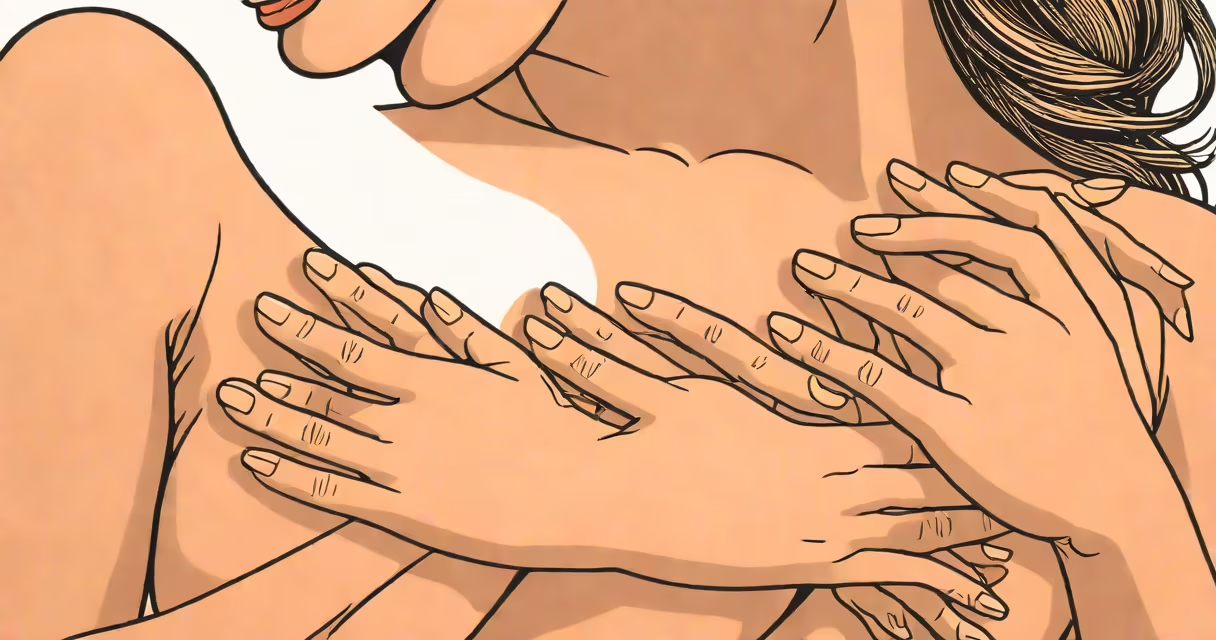
Breast tenderness comes and goes primarily due to fluctuating hormone levels throughout the menstrual cycle, especially rising estrogen and progesterone in the luteal phase. This cyclical pattern affects breast tissue, causing swelling, sensitivity, and discomfort that typically resolves after menstruation begins.
Estrogen and progesterone peak in the second half of the cycle, just before ovulation and after. These hormones stimulate breast duct growth and fluid retention in the lobules, increasing pressure and nerve sensitivity. When hormone levels drop at the start of menstruation, swelling subsides and tenderness usually fades within 2-3 days.
According to the American College of Obstetricians and Gynecologists (ACOG), up to 70% of menstruating individuals experience some form of cyclic breast pain. The condition is benign and unrelated to cancer risk. However, persistent or worsening tenderness may indicate underlying issues such as fibrocystic changes or hormonal imbalances.
Hormonal fluctuations drive breast tenderness in a predictable pattern tied to the menstrual cycle. Estrogen peaks around ovulation, stimulating ductal cell proliferation. Progesterone rises after ovulation, promoting fluid buildup in the mammary glands. This combination leads to breast enlargement and increased sensitivity.
After menstruation begins, both hormones decline sharply. The drop triggers fluid release and tissue relaxation, reducing pressure on nerves. Most people notice relief within 48 hours of their period starting. This cycle repeats monthly unless interrupted by pregnancy, birth control, or menopause.
A 2021 study published in Journal of Women's Health found that women reporting severe breast tenderness had higher serum progesterone levels during the luteal phase compared to those with mild or no symptoms. This confirms that individual hormonal responses influence symptom severity.
Not all breast tenderness follows the same pattern. Some people experience consistent monthly cycles, while others report irregular or unpredictable episodes. The variation stems from differences in ovarian function, stress levels, and lifestyle factors.
| Type | Pattern | Common Triggers | Typical Duration |
|---|---|---|---|
| Cyclical | Appears 7-10 days before period, resolves with bleeding | Menstrual cycle, high progesterone | 3-7 days |
| Non-cyclic | Occurs at any time, unrelated to cycle | Birth control, stress, caffeine, injury | Variable, often persistent |
| Postpartum | Develops after childbirth, may last months | Prolactin surge, breastfeeding | Weeks to months |
Cyclical tenderness is the most common form. Non-cyclic tenderness occurs in about 15% of cases and may persist beyond the menstrual window. It often correlates with external factors like medication use or diet.
Many assume breast tenderness signals early pregnancy. While it can occur in early gestation, it's not a reliable indicator. A 2019 review in Obstetrics & Gynecology found that only 30% of pregnant individuals reported breast tenderness as a first symptom, and many experienced it only after a missed period.
Another misconception is that breast tenderness always means something is wrong. In reality, it's a normal physiological response. Persistent pain lasting longer than 10 days past the expected period or affecting daily life warrants evaluation, but occasional discomfort is typical.
One non-obvious fact: tenderness can worsen with caffeine intake. A 2016 clinical trial showed that reducing coffee consumption by half led to a 40% reduction in self-reported breast pain among participants with cyclical tenderness. The effect was independent of hormonal status, suggesting a direct impact on breast tissue sensitivity.
Consider Maria, a 28-year-old teacher with regular 28-day cycles. She tracks her symptoms using a fertility app. On Day 14 (ovulation), she notices slight fullness in her breasts. By Day 21, tenderness intensifies-she feels sharp pain when wearing tight shirts. On Day 25, her period starts. Within two days, the pain disappears completely.
Her symptoms align with the luteal phase. Her doctor confirmed no structural abnormalities via ultrasound. She manages discomfort with over-the-counter ibuprofen and reduced coffee intake. Her experience reflects the standard pattern of breast tenderness coming and goes.
Breast tenderness comes and goes in most people. But red flags include unilateral pain (one breast only), nipple discharge, skin dimpling, or a new lump. These signs require prompt evaluation to rule out conditions like mastitis, cysts, or rare tumors.
If tenderness persists beyond the menstrual window or interferes with sleep or work, consult a provider. Hormonal testing may be needed if cycles are irregular. Treatment options include oral contraceptives, vitamin E supplements, or low-dose antidepressants in refractory cases.
Breast tenderness comes and goes as part of a healthy hormonal rhythm. Recognizing the pattern supports informed decisions about management and care. If symptoms disrupt quality of life, medical guidance ensures accurate diagnosis and effective relief.