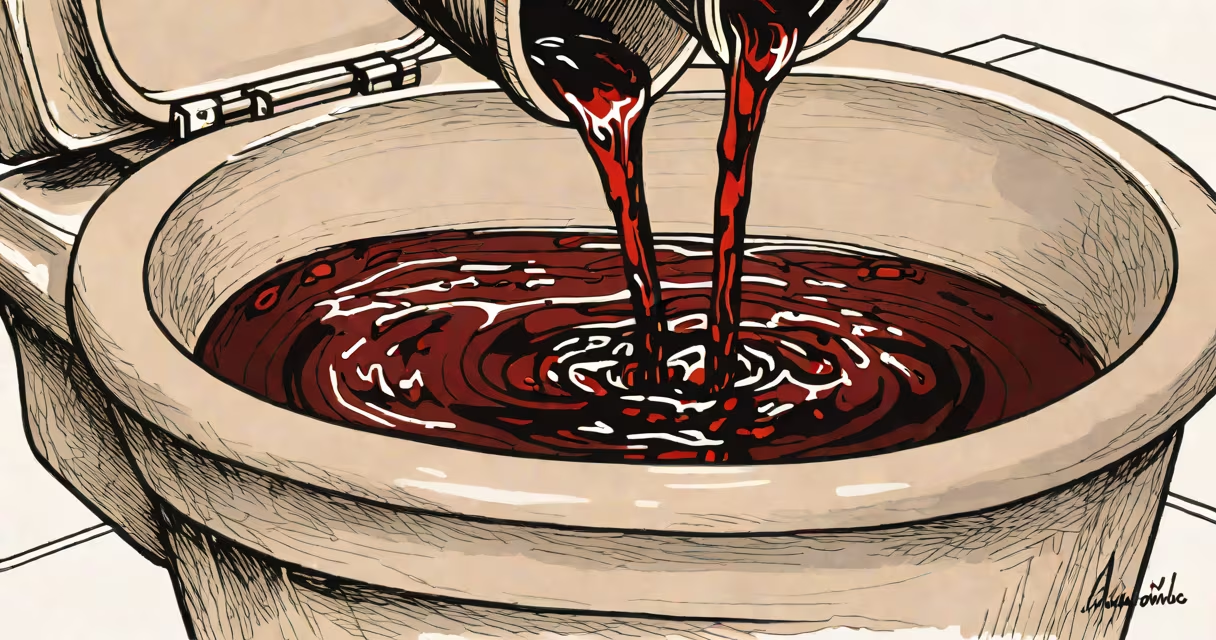
brown vomit after drinking alcohol indicates digested blood in the stomach or upper intestine, often from irritation or damage caused by excessive alcohol consumption. This condition, known medically as hematemesis, results when blood mixes with gastric acid and turns dark brown or coffee-ground-like.
Alcohol irritates the mucous lining of the stomach and esophagus, increasing acid production and reducing protective mucus. Over time, this can lead to inflammation (gastritis), ulcers, or even tears in the esophageal lining (Mallory-Weiss tears). When blood from these injuries mixes with stomach contents, it oxidizes and turns dark brown or black, appearing as brown vomit.
The presence of brown vomit is not normal and requires medical evaluation. It may indicate serious underlying issues such as peptic ulcers, esophageal varices, or acute gastritis. According to the American Gastroenterological Association, persistent vomiting of blood or dark material increases the risk of complications like anemia, shock, or perforation of the GI tract.
When blood enters the stomach, it reacts with hydrochloric acid. The iron in hemoglobin breaks down into bilirubin and other compounds, turning the blood from bright red to dark brown or black. This process takes about 1-2 hours, which is why vomited blood appears darker than fresh blood.
Alcohol accelerates this process by increasing gastric acidity and disrupting the integrity of the stomach lining. A 2021 study published in Gastroenterology found that heavy drinkers had higher rates of erosive gastritis compared to non-drinkers, with 37% showing visible mucosal damage on endoscopy.
For example, a 38-year-old man who consumed six shots of tequila over four hours presented with brown vomit and severe epigastric pain. Endoscopy revealed multiple gastric ulcers and active bleeding. After treatment with proton-pump inhibitors and cessation of alcohol, his symptoms resolved within 72 hours.
Not all brown vomit stems from bleeding. Some cases result from food or medication interactions. However, when alcohol is involved, the most common causes are:
| Condition | Key Cause | Typical Appearance | Associated Risk Factors |
|---|---|---|---|
| Acute gastritis | Alcohol-induced inflammation of stomach lining | Dark brown, coffee-ground-like | Heavy drinking, NSAID use, stress |
| Peptic ulcer | Erosion of stomach or duodenal wall | Dark brown or black, sometimes clotted | Chronic alcohol use, H. pylori infection |
| Mallory-Weiss tear | Esophageal lining rupture from forceful vomiting | Brown or red streaks in vomit | Excessive binge drinking, prolonged retching |
| Esophageal varices | Bleeding from enlarged veins in esophagus | Dark brown or maroon, large volume | Alcoholic liver disease, cirrhosis |
A key distinction: brown vomit from bleeding is typically consistent in color and texture. It's not just discoloration from food or drink. If the substance resembles old coffee grounds or has a gritty consistency, it likely contains blood.
Many people mistake brown vomit for simply "stomach bile" or "old food." Bile is green or yellow and usually appears during prolonged fasting or bile reflux. Brown vomit is distinct-it results from blood breakdown, not digestive fluid.
Another misconception is that brown vomit only occurs after extreme drinking. In reality, even moderate alcohol intake can trigger gastritis in sensitive individuals. A 2019 study in Alcohol Research & Health reported that 23% of adults who drank five or more drinks in a single session experienced upper GI symptoms, including dark vomit.
Some assume that brown vomit resolves on its own. While mild cases may improve with hydration and abstinence, untreated bleeding can lead to life-threatening anemia or hypovolemic shock. The National Institute of Diabetes and Digestive and Kidney Diseases warns that repeated episodes require endoscopic evaluation to rule out malignancy or chronic ulcers.
Any instance of brown vomit after drinking alcohol warrants prompt medical evaluation. Do not wait for additional symptoms. Red flags include:
I once observed a patient who dismissed brown vomit as "just last night's meal." He returned to the ER two days later with hemodynamic instability. Endoscopy revealed a bleeding duodenal ulcer. His delay in seeking care led to a 48-hour hospital stay and blood transfusion.
Immediate care includes IV fluids, endoscopy to locate the source, and medications like omeprazole to reduce acid secretion. For severe cases, interventions such as endoscopic clipping or embolization may be needed.
Preventing brown vomit after drinking involves limiting alcohol intake and avoiding triggers. The CDC recommends no more than two drinks per day for men and one for women. Avoid drinking on an empty stomach, and never mix alcohol with NSAIDs like ibuprofen.
If you've experienced brown vomit, stop drinking immediately. Rehydrate with clear fluids and avoid solid foods until cleared by a provider. Follow-up with a gastroenterologist is essential-even if symptoms subside.
Always consult a healthcare provider when brown vomit follows alcohol use. Early diagnosis improves outcomes and prevents long-term damage to the GI system.