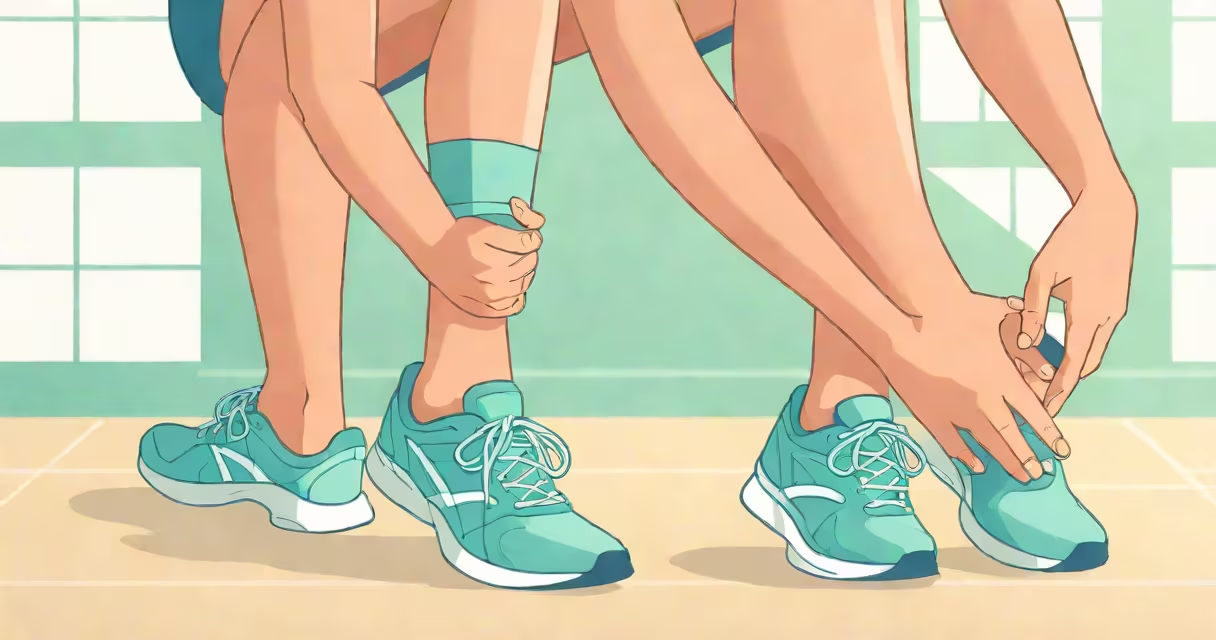
calf pain after gym refers to discomfort or soreness in the lower leg muscles following physical activity, typically caused by overexertion, improper form, or sudden increases in intensity. It commonly appears within 24 to 72 hours after exercise and may range from mild tightness to sharp, localized pain.
This condition arises when the gastrocnemius and soleus muscles-the primary muscles in the calf-are stressed beyond their current capacity. The most frequent cause is delayed onset muscle soreness (DOMS), which results from microscopic tears in muscle fibers during eccentric contractions, such as running downhill or jumping landings. A 2020 study published in Frontiers in Physiology confirms DOMS peaks around 48 hours post-exercise and resolves within five days for most individuals.
Other contributors include inadequate warm-up, poor footwear, or biomechanical imbalances. For example, wearing flat shoes during high-impact training can reduce shock absorption, increasing strain on the calf. A 2019 review in Journal of Sports Science & Medicine found that runners who trained without proper footwear had a 37% higher incidence of calf-related injuries compared to those using supportive shoes.
The process begins with mechanical stress during resistance or endurance movements. When you perform exercises like standing calf raises, jump squats, or sprint intervals, the calf muscles contract forcefully and lengthen under load. This eccentric phase places significant tension on muscle fibers and connective tissue.
Microscopic damage occurs at the cellular level. Inflammatory mediators such as prostaglandins and cytokines are released, sensitizing nerve endings and causing the sensation of soreness. This is not tissue destruction-it's part of normal adaptation. The body repairs microtears during rest, leading to stronger muscle fibers over time.
A real-world example: a beginner doing 3 sets of 20 standing calf raises with 15-pound dumbbells on a treadmill incline experienced severe calf tightness the next morning. The movement involved rapid concentric contraction followed by slow eccentric lowering-ideal conditions for DOMS. Pain resolved fully by day three with rest and light walking.
Calf pain after gym falls into three categories based on timing, location, and severity:
| Type | Onset | Location | Common Causes |
|---|---|---|---|
| Delayed onset soreness (DOMS) | 24-72 hours post-workout | Diffuse, throughout the calf | Novice lifting, new routines, high-rep sets |
| Acute strain | During or immediately after exercise | Localized, often near the muscle-tendon junction | Sudden sprinting, jumping, or heavy lifting with poor form |
| Overuse injury | Gradual onset over weeks | Lower calf, near Achilles tendon | Repetitive impact, insufficient recovery, training errors |
DOMS accounts for about 70% of reported calf pain after gym sessions, according to a 2021 survey by the American Council on Exercise. Acute strains occur less frequently but carry higher risk of lasting damage if ignored.
Some cases of calf pain after gym indicate more serious issues. Distinguish between normal soreness and red flags requiring medical evaluation. Persistent pain beyond five days, swelling, bruising, or inability to bear weight suggest a tear or compartment syndrome.
One key distinction: DOMS feels like dull, achy stiffness. A muscle strain may involve a sudden "pop" or sharp pain during the movement. A 2022 study in British Journal of Sports Medicine found that 12% of athletes reporting calf pain after training had partial tears confirmed via MRI-most were misdiagnosed initially as DOMS.
For example, a 34-year-old runner developed intense calf pain during a hill sprint. He continued training for two days, worsening symptoms. An ultrasound revealed a grade 1 strain. Rest, ice, compression, and elevation (RICE) reduced swelling within 48 hours. Returning to running took four weeks.
Many assume calf pain after gym is always due to dehydration or electrolyte imbalance. While low potassium or magnesium can contribute to cramping, they rarely cause prolonged soreness. Cramps are brief, intense spasms; DOMS is sustained, diffuse ache.
Another myth: stretching prevents soreness. Research shows static stretching before or after exercise does not reduce DOMS. A 2016 Cochrane review concluded that stretching offers no significant benefit in preventing post-exercise soreness. Instead, changing warm-ups and gradual progression reduce risk.
Also, people often confuse calf pain after gym with deep vein thrombosis (DVT). DVT presents with unilateral swelling, warmth, and tenderness-not generalized soreness. If pain worsens with walking, or if the leg is visibly swollen and discolored, seek immediate care. The CDC estimates DVT affects 900,000 Americans annually, and misdiagnosis delays treatment in 30% of cases.
Most calf pain after gym resolves with rest, hydration, and light activity. Walking or cycling at low intensity improves blood flow and reduces stiffness. A 2018 study in Journal of Strength and Conditioning Research showed participants who walked 10 minutes twice daily recovered 22% faster than those who remained sedentary.
Use cold therapy (ice packs) for acute pain within the first 48 hours. Apply for 15 minutes every two hours. After that, heat can ease lingering tightness. Foam rolling the calves for 30 seconds per muscle group may reduce perceived soreness, though evidence is mixed.
Prevention includes progressive overload-increasing volume or intensity by no more than 10% weekly. Always include a 5-10 minute changing warm-up before lifting or running. Wear shoes with adequate heel support and cushioning. Replace running shoes every 500 miles, per Podiatry Today.
As someone who once pushed through calf soreness during a marathon prep cycle, I learned that ignoring early warning signs led to a 3-week layoff. Now I listen to my body. If pain persists past 72 hours or worsens, I stop training and consult a physical therapist.
calf pain after gym is usually benign and self-resolving. Understanding the difference between normal soreness and injury helps prevent unnecessary downtime. Most cases improve within a week with proper care and training adjustments.