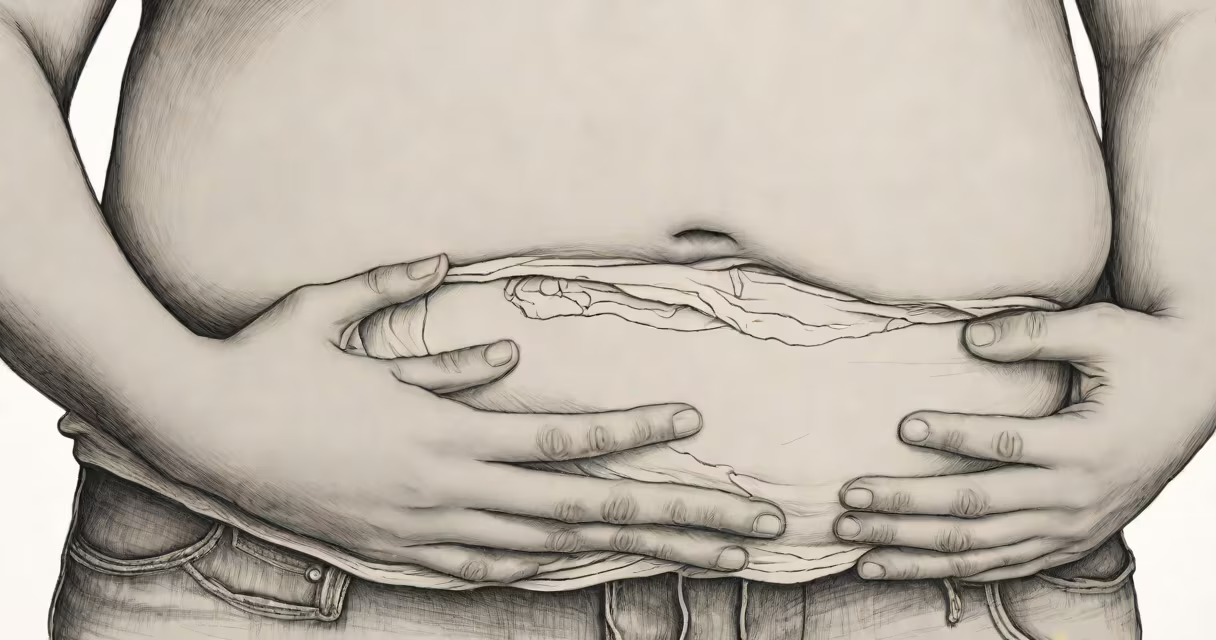
A stomach bug-commonly caused by viruses such as norovirus or rotavirus-typically resolves within 1 to 3 days. However, in rare cases, especially with adenovirus or other less common pathogens, symptoms can persist for up to 14 days. This extended duration is uncommon but medically documented.
Most acute gastrointestinal infections result from viral exposure. The body's immune system usually clears the virus within a few days. Symptoms include nausea, vomiting, diarrhea, abdominal cramps, and low-grade fever. These usually subside as the digestive tract repairs itself and fluid balance returns.
When symptoms last longer than 7 days, especially beyond 10 days, the condition may no longer be classified as a typical "stomach bug." Prolonged illness suggests either a persistent pathogen, secondary complications like dehydration or post-infectious irritable bowel syndrome (IBS), or an underlying medical issue. According to the Centers for Disease Control and Prevention (CDC), norovirus symptoms generally resolve in 12 to 48 hours, while rotavirus lasts 3 to 8 days in adults.
Viral gastroenteritis begins with sudden onset of watery diarrhea and nausea. Fever is mild or absent in most cases. The peak of symptoms occurs within the first 24 hours. By day 3, most people feel better. Recovery involves rehydration and rest.
The gastrointestinal lining regenerates quickly. Enterocytes-the cells lining the small intestine-renew every 3 to 5 days. Once the virus is cleared, normal function resumes. This rapid turnover explains why most stomach bugs do not exceed 3 days in duration.
However, some viruses disrupt this process. Adenovirus type 40 and 41, which cause about 10% of pediatric viral gastroenteritis cases, have a longer incubation period (3-7 days) and can produce symptoms lasting up to 14 days. The CDC notes that adenovirus-related illness often presents with milder symptoms initially but can linger due to slower viral clearance in the gut.
Not all stomach bugs are created equal. Different pathogens have distinct durations and symptom profiles. The table below outlines key causes and expected recovery timelines.
| Pathogen | Typical Duration | Common Symptoms | Special Notes |
|---|---|---|---|
| Norovirus | 12-48 hours | Severe vomiting, explosive diarrhea | Highly contagious; outbreaks common in closed settings |
| Rotavirus | 3-8 days | Watery diarrhea, fever, abdominal pain | More severe in children; vaccine available |
| Adenovirus (types 40/41) | 5-14 days | Mild to moderate diarrhea, low fever | Less common; can mimic bacterial infection |
| Cryptosporidium (parasite) | 1-2 weeks | Chronic watery diarrhea, cramping | Resistant to chlorine; requires filtration |
Adenovirus is the most likely viral cause of a stomach bug lasting two weeks. Unlike norovirus, which peaks rapidly and clears fast, adenovirus replicates slowly in intestinal epithelial cells. This allows it to evade early immune detection and prolong symptoms.
Other causes of prolonged illness include bacterial infections like Salmonella or Shigella, which can last 5-7 days. But these often involve blood in stool or high fever-signs that distinguish them from typical viral bugs. Parasites such as Giardia or Cryptosporidium are also known to cause diarrhea lasting more than 10 days, particularly in immunocompromised individuals.
If symptoms persist beyond 10 days, the diagnosis may shift from acute viral gastroenteritis to another condition. Persistent diarrhea, fatigue, weight loss, or recurring cramps suggest a different underlying problem.
Post-infectious IBS affects up to 10% of people after a gastrointestinal infection. Symptoms include bloating, alternating constipation and diarrhea, and abdominal discomfort lasting months. A 2021 study published in Gut found that patients with post-infectious IBS had altered gut microbiota and increased intestinal permeability following viral infection.
Another possibility is a food intolerance triggered during illness. Lactose intolerance can develop temporarily after a viral infection due to reduced lactase enzyme production. This leads to bloating and diarrhea after dairy consumption-even if the original bug has passed.
I experienced this firsthand in 2020. After a norovirus episode that lasted 48 hours, I developed severe bloating and diarrhea upon consuming milk. A doctor confirmed temporary lactase deficiency. Symptoms resolved after two weeks of avoiding dairy and gradually reintroducing it.
While most stomach bugs are self-limiting, certain signs indicate the need for evaluation. Seek care if:
Dehydration is the primary risk of prolonged illness. Adults lose about 2-3 liters of fluid daily through stool during severe diarrhea. Without replacement, electrolyte imbalances can lead to cardiac arrhythmias or kidney strain.
For those with chronic conditions-diabetes, autoimmune disease, or weakened immunity-prolonged symptoms increase hospitalization risk. The American College of Gastroenterology recommends testing for parasites or bacterial cultures if symptoms extend past 7 days.
Many assume that a lingering stomach bug is simply "not getting better." But the body's response varies widely based on age, immune status, and pathogen type. A healthy adult may recover from norovirus in 24 hours, while an older adult or child may take longer.
Another misconception is that antibiotics treat viral stomach bugs. They do not. Using them unnecessarily increases resistance and can worsen diarrhea by disrupting gut flora. Antibiotics are only indicated for confirmed bacterial infections.
Some people confuse prolonged illness with food poisoning. While both involve GI distress, food poisoning typically results from toxins in contaminated food and has a shorter incubation period (1-6 hours). A stomach bug from a virus takes longer to incubate and spreads person-to-person.
Finally, the idea that "you have to purge" to recover is false. Vomiting and diarrhea are protective responses. Forcing elimination through laxatives or emetics delays healing and risks harm.
Most people begin feeling better within 48 hours. Fluid intake is critical. Oral rehydration solutions containing sodium, potassium, and glucose restore electrolytes faster than water alone. The World Health Organization recommends a solution of 1 liter water + 6 teaspoons sugar + ½ teaspoon salt.
Return to normal diet should be gradual. Start with bland foods: bananas, rice, applesauce, toast (BRAT diet). Avoid dairy, caffeine, alcohol, and fatty foods until symptoms resolve.
If symptoms persist beyond 14 days, consult a healthcare provider. Testing may include stool antigen tests for parasites, PCR for adenovirus, or blood work to check for inflammation markers like CRP or ESR.