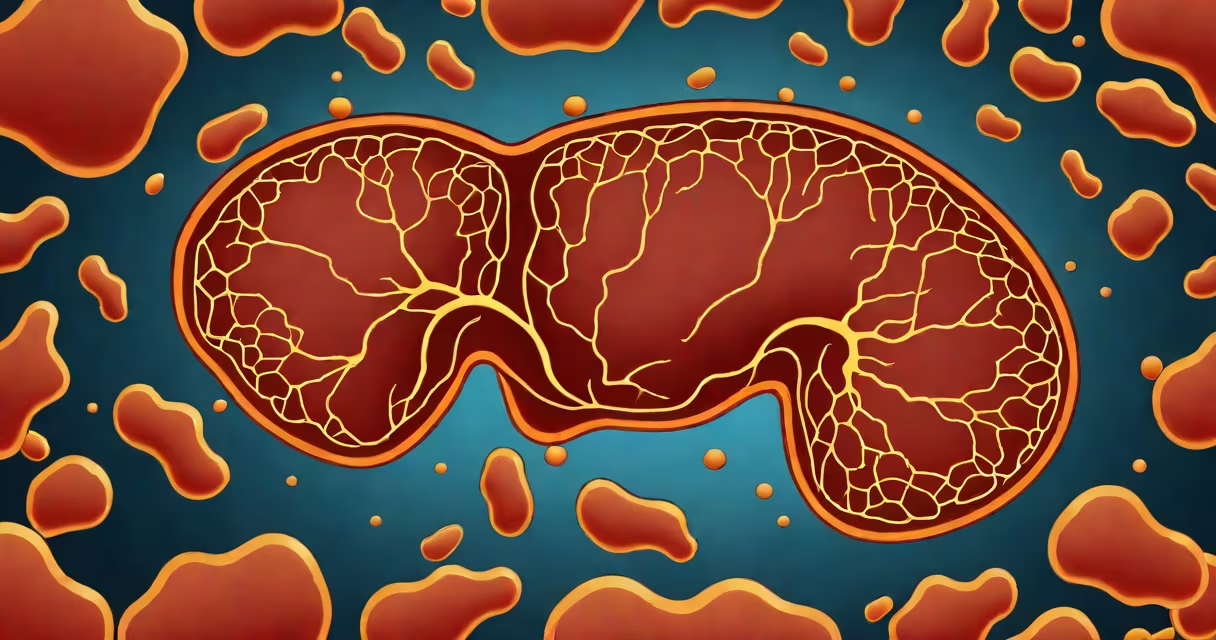
Fatty liver disease can cause nausea due to reduced liver function, increased toxin levels, and disrupted digestion. When fat accumulates in liver cells, it impairs detoxification and bile production, leading to gastrointestinal discomfort including nausea.
Fatty liver occurs when more than 5% of liver cells contain fat droplets. This condition often develops silently, but in some cases, it triggers noticeable symptoms such as fatigue, abdominal bloating, and nausea. The liver plays a central role in processing nutrients, filtering toxins, and producing bile for digestion. When fat disrupts these processes, the digestive system becomes stressed, increasing the likelihood of nausea.
Research from the American Gastroenterological Association notes that up to 30% of people with non-alcoholic fatty liver disease (NAFLD) report gastrointestinal symptoms, including nausea, especially during meals. These symptoms typically appear when liver function declines or when inflammation progresses to steatohepatitis.
The liver filters blood and neutralizes harmful substances. When fat builds up in liver cells, this filtration capacity drops. Toxins that would normally be broken down accumulate in the bloodstream, triggering nausea through neurological pathways involving the brainstem's vomiting center.
Bile production also suffers. Bile aids in fat digestion and helps regulate gut motility. Reduced bile flow slows gastric emptying and increases the risk of acid reflux and bloating. These changes create a sensation of fullness and queasiness, particularly after eating high-fat meals.
A 2021 study published in Journal of Hepatology found that patients with advanced fatty liver had higher levels of circulating inflammatory markers like TNF-alpha and IL-6. These cytokines can affect the central nervous system and contribute to nausea, even in the absence of severe liver damage.
Fatty liver exists in two primary forms: alcoholic fatty liver disease (AFLD) and non-alcoholic fatty liver disease (NAFLD). NAFLD is more common, affecting about 25% of adults in the United States according to the National Institute of Diabetes and Digestive and Kidney Diseases (NIDDK).
| Type | Primary Cause | Nausea Prevalence | Key Risk Factors |
|---|---|---|---|
| Non-alcoholic fatty liver disease (NAFLD) | Insulin resistance, obesity, metabolic syndrome | ~20-30% | High BMI, type 2 diabetes, high triglycerides |
| Alcoholic fatty liver disease (AFLD) | Chronic alcohol consumption | ~40-50% | Drinking more than 3 drinks/day for men, 2 for women |
Both types involve fat accumulation in hepatocytes, but AFLD tends to progress faster and cause more pronounced symptoms. Alcohol directly damages liver cells and suppresses bile secretion, which worsens nausea during and after drinking.
Many assume nausea from fatty liver is rare or only appears in late-stage disease. This is incorrect. Nausea can emerge early, especially in individuals with insulin resistance or rapid weight gain. A 2020 clinical review in World Journal of Gastroenterology reported that nausea was among the top five reported symptoms in newly diagnosed NAFLD patients, even when liver enzymes were normal.
Another misconception is that nausea always indicates serious liver failure. While severe nausea may accompany cirrhosis or hepatic encephalopathy, mild to moderate nausea in fatty liver is usually linked to digestive dysfunction rather than organ failure. Persistent nausea should prompt evaluation, but isolated episodes after meals are not uncommon.
Some confuse fatty liver-related nausea with other conditions like gallbladder disease or peptic ulcers. However, fatty liver nausea often occurs without upper abdominal pain or heartburn. It's more likely to follow heavy or greasy meals and improve with fasting or low-fat diets.
I once saw a 45-year-old woman with a BMI of 34 who reported daily nausea after lunch. She had no history of stomach ulcers or food allergies. Blood tests showed elevated ALT and AST levels, and an ultrasound confirmed grade 2 fatty liver. After reducing dietary fat intake and losing 10 pounds over four months, her nausea resolved completely.
This case illustrates that nausea from fatty liver is treatable. The patient's symptoms were tied to postprandial bile insufficiency and impaired glucose metabolism-both improved with lifestyle changes. Her experience aligns with findings from the NIDDK, which states that weight loss of 7-10% can reverse fatty liver in most NAFLD cases.
Nausea alone doesn't confirm fatty liver, but persistent or worsening nausea-especially with fatigue, unexplained weight loss, or jaundice-warrants medical evaluation. Doctors may use imaging (ultrasound, FibroScan), blood tests (liver panel, HbA1c), and sometimes a liver biopsy to assess severity.
If nausea coincides with alcohol use, it may indicate AFLD. Stopping alcohol is critical. For NAFLD, managing underlying conditions like diabetes and hyperlipidemia is essential. Medications such as pioglitazone or vitamin E are sometimes prescribed, though lifestyle changes remain the foundation of treatment.
Fatty liver disease is increasingly common, affecting nearly 1 in 4 adults globally. Nausea is a valid symptom, not just a red herring. Addressing it early improves outcomes and quality of life. Recognizing the connection between liver fat and nausea empowers informed decisions about diet, exercise, and medical care.