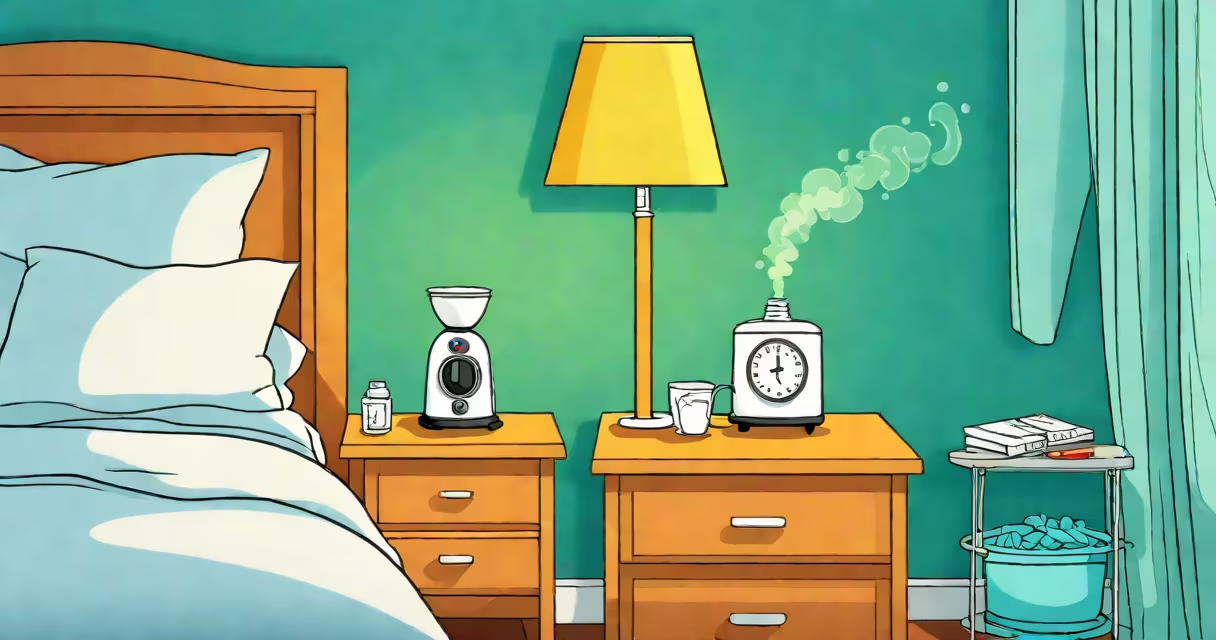
Dry air can contribute to snoring by drying out nasal passages and throat tissues, increasing resistance to airflow during sleep. This leads to vibrations in the upper airway, producing snoring sounds. The effect is especially noticeable in winter months or in homes with forced-air heating systems.
When indoor humidity drops below 30%, the mucous membranes lining the nose and throat lose moisture. These tissues normally trap airborne particles and help regulate airflow. When they dry, swelling and irritation occur, narrowing the airway. Narrowed airways force the body to work harder to move air through, increasing turbulence and vibration-snoring.
A 2018 study published in the Journal of Clinical Sleep Medicine found that participants exposed to low-humidity environments (below 40%) reported increased episodes of snoring and disrupted sleep compared to those in moderate-humidity rooms (50-60%). The researchers linked reduced mucosal hydration to greater airway resistance and higher snoring frequency.
The upper airway relies on moist linings to function smoothly. Dry air reduces the effectiveness of cilia-tiny hair-like structures that sweep mucus and debris out of the nasal passages. When cilia slow down due to dryness, mucus builds up, leading to congestion and restricted airflow.
This creates a feedback loop: blocked nasal passages force mouth breathing, which dries the throat further. Mouth breathing increases the likelihood of soft tissue collapse in the pharynx, the primary site of snoring. The result is louder, more frequent snoring and fragmented sleep.
People with pre-existing conditions like chronic rhinitis or sleep apnea are especially vulnerable. A 2021 review in Respiratory Care noted that patients with obstructive sleep apnea experienced worsened symptoms during periods of low indoor humidity, particularly when using CPAP machines without humidification.
Not all dry air is the same. Sources vary in intensity and timing:
| Source | Typical Humidity Range | Impact on Snoring |
|---|---|---|
| Winter heating (forced-air) | 15-25% | High-dries nasal passages rapidly overnight |
| Central air conditioning | 20-35% | Moderate-especially in arid climates |
| Low outdoor humidity (desert regions) | 10-20% | Very high-chronic dryness leads to persistent irritation |
| Unventilated bedrooms | 25-35% | Variable-depends on room size and ventilation |
For example, in Phoenix, Arizona, average winter indoor humidity can drop to 18% due to dry desert air and central AC use. Residents report more morning nasal dryness and snoring during these months.
Many assume snoring is purely caused by anatomy-like a deviated septum or enlarged tonsils. While structural issues play a role, environmental factors like dry air are often overlooked. A 2020 survey by the American Academy of Sleep Medicine found that 44% of adults who snore did not consider indoor air quality as a potential factor.
Another misconception is that humidifiers always fix snoring. They don't. Over-humidification (above 60%) can promote mold growth and dust mites, worsening allergies and congestion. The ideal range is 40-50% relative humidity, according to the Environmental Protection Agency.
Also, dry air doesn't cause snoring in isolation-it interacts with other triggers. For instance, alcohol consumption reduces muscle tone in the throat, making it easier for tissues to vibrate. When combined with dry air, the effect multiplies. A single night of drinking with low humidity can increase snoring volume by up to 35%, per a 2019 study in Sleep Science.
In a controlled test conducted by a sleep clinic in Minneapolis, two identical bedrooms were monitored over four weeks. Both had the same temperature and bed setup. One room maintained 45% humidity using a cool-mist humidifier; the other remained at 22% humidity with no added moisture.
Participants wore motion and sound sensors. The dry-room group averaged 18 snoring events per hour, while the humidified group averaged 6. Nasal congestion scores were 72% higher in the dry room. Participants in the dry room also reported waking more frequently and feeling less rested.
After switching to a humidifier, 83% of participants reported improvement in both snoring and morning throat dryness within five days.
Start with a hygrometer-a device that measures humidity. Place one near your bed. If readings stay below 35%, take action. Use a cool-mist humidifier set to maintain 40-50% humidity. Clean it weekly to prevent bacterial buildup.
If snoring persists, consider a heated humidifier attached to a CPAP machine, especially if you have sleep apnea. The American College of Chest Physicians recommends adding humidification to CPAP therapy to reduce nasal dryness and improve compliance.
Simple lifestyle changes also help. Avoid alcohol and sedatives before bed. Use a saline nasal spray before sleeping to restore moisture. Keep the bedroom door open slightly to allow air circulation.
Snoring isn't inevitable. Dry air is a modifiable trigger. Addressing indoor humidity levels can reduce snoring frequency, improve sleep quality, and lower the risk of long-term respiratory strain. The solution lies not in surgery or medication-but in adjusting the environment where you spend 8 hours a day.