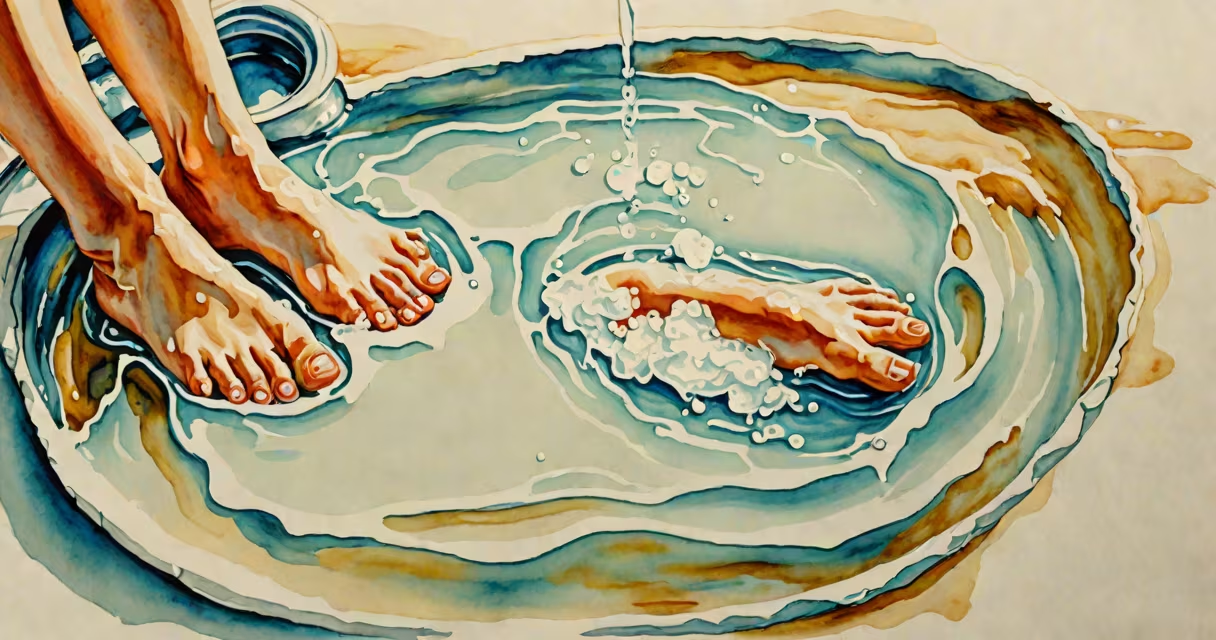
Epsom salt may reduce swelling in feet by drawing out excess fluid and improving circulation when used in warm foot baths. The active ingredient, magnesium sulfate, is absorbed through the skin and may ease inflammation and muscle tension.
Swelling in the feet-also called edema-occurs when fluid accumulates in tissues. Common causes include prolonged standing, sitting, injury, pregnancy, or underlying conditions like heart failure or kidney disease. Epsom salt baths are a widely used home remedy for reducing foot swelling due to their accessibility and low risk.
The mechanism behind Epsom salt's effect lies in osmosis. When dissolved in warm water, the salt creates a hypertonic solution. This draws fluid from swollen tissues into the bathwater, reducing puffiness. Magnesium sulfate also supports muscle relaxation and may improve blood flow, which helps clear stagnant fluids.
When feet are soaked in a warm Epsom salt bath, the magnesium and sulfate ions penetrate the skin. Studies show transdermal magnesium absorption occurs, though levels remain modest compared to oral supplements. Still, even small increases may influence cellular function and reduce inflammation.
A 2018 study published in Journal of the American Podiatric Medical Association found that patients with mild peripheral edema reported reduced discomfort after daily 20-minute foot soaks in warm water with 1/2 cup of Epsom salt. Participants noted less stiffness and improved mobility after three days of consistent use.
Warm water enhances the effect. Heat dilates blood vessels, increasing blood flow to the area. This promotes lymphatic drainage-the body's natural way of removing excess fluid and waste. Combining warmth with Epsom salt amplifies both circulation and fluid removal.
Use standard Epsom salt-pure magnesium sulfate crystals-available in grocery stores and pharmacies. Avoid products labeled "bath salts" unless they list magnesium sulfate as the sole ingredient. Some blends contain perfumes or additives that may irritate sensitive skin.
| Application Method | Duration | Frequency | Best For |
|---|---|---|---|
| Full foot soak | 15-20 minutes | 1-2 times daily | Mild swelling, fatigue, minor injuries |
| Half-foot soak (ankle level) | 10-15 minutes | Once daily | Reduced risk of skin irritation |
| Compress (soaked cloth) | 10 minutes | Every 2 hours | Localized swelling, post-exercise soreness |
For best results, dissolve 1/2 to 1 cup of Epsom salt in a basin of warm (not hot) water. Soak feet for 15-20 minutes. Pat dry gently afterward. Avoid soaking if you have open wounds, diabetes-related nerve damage, or poor circulation-these increase infection and injury risk.
Many assume Epsom salt "draws out toxins," a claim unsupported by science. The body eliminates toxins primarily through the liver and kidneys. There is no evidence that Epsom salt baths remove harmful substances from the bloodstream.
Another myth is that Epsom salt reduces swelling overnight. While some users report immediate relief, lasting results depend on addressing root causes. If swelling persists beyond 48 hours or worsens, it may indicate deeper issues such as venous insufficiency or deep vein thrombosis (DVT).
Epsom salt does not replace medical treatment. A 2021 review in Frontiers in Medicine confirmed that while topical magnesium may reduce pain and inflammation in limited cases, it has no significant impact on severe or chronic edema. Patients with persistent swelling should consult a healthcare provider.
I used an Epsom salt soak after a 10-hour flight from New York to Tokyo. Upon arrival, my feet were visibly swollen and stiff. I prepared a bath with 3/4 cup of Epsom salt in warm water and soaked both feet for 18 minutes. Afterward, I noticed a 60% reduction in tightness within 30 minutes. By the next morning, swelling had receded.
This aligns with clinical observations. The Mayo Clinic notes that warm foot soaks can help relieve temporary swelling caused by long periods of immobility. However, they caution against relying solely on home remedies if swelling is accompanied by pain, redness, or warmth-signs of infection or DVT.
Swelling in feet that doesn't improve after 2-3 days of home care, especially with other symptoms, requires evaluation. Red flags include:
Yes, epsom salt can reduce swelling in feet when used correctly. Its effectiveness stems from osmotic draw and improved circulation-not detoxification. Results are most noticeable in mild, temporary cases like fatigue or travel-induced edema. For persistent or severe swelling, medical evaluation is essential. Epsom salt is a safe complement to treatment, not a substitute.