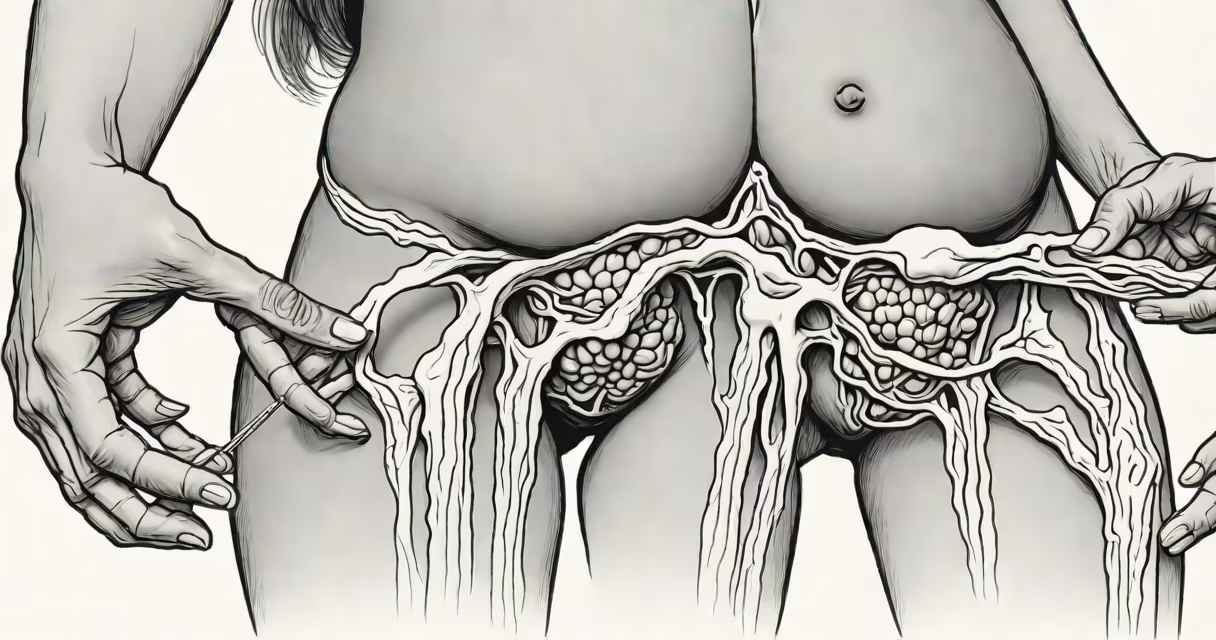
Yes, fibroids can cause menstrual cramps. These noncancerous growths in the uterine wall compress surrounding tissue, distort the uterine cavity, and increase prostaglandin production, leading to painful contractions during menstruation.
Fibroids are benign tumors that develop from the smooth muscle layer of the uterus. They vary in size, number, and position-some grow inside the uterine lining (submucosal), others within the muscular wall (intramural), and some project outward (subserosal). Their location determines how much they impact menstrual flow and pain.
A 2021 study published in Human Reproduction found that women with symptomatic fibroids were 3.6 times more likely to report moderate-to-severe menstrual pain compared to those without fibroids. The study analyzed data from over 1,200 participants and confirmed that fibroid presence correlates strongly with increased cramping severity.
Fibroids contribute to cramping through mechanical pressure and biochemical changes. When a fibroid distorts the uterine lining, it disrupts normal blood flow and increases the release of prostaglandins-hormone-like substances that cause uterine muscle contractions. High levels of prostaglandins are directly linked to painful menstrual cramps.
Submucosal fibroids, which grow into the uterine cavity, are especially effective at amplifying cramping. They increase the surface area of the endometrium exposed to hormonal signals, leading to heavier bleeding and stronger contractions. A 2019 clinical review in Obstetrics & Gynecology noted that submucosal fibroids account for nearly 50% of cases involving severe dysmenorrhea (painful menstruation).
Even small fibroids can cause significant discomfort if they're located near nerve-rich areas of the uterus. For example, a 2 cm intramural fibroid near the uterine fundus may press on sensory nerves, sending pain signals to the brain even without heavy bleeding.
Different fibroid types carry varying risks for menstrual cramps. Location matters more than size alone.
| Type | Location | Cramping Risk | Common Symptoms |
|---|---|---|---|
| Submucosal | Inside uterine cavity | High | Heavy periods, severe cramps, infertility |
| Intramural | Within uterine wall | Medium to high | Menstrual pain, bloating, pressure |
| Subserosal | Outside uterine surface | Low to medium | Pelvic pressure, rarely cramps unless large |
Subserosal fibroids rarely cause cramping because they don't interfere with the endometrial lining. However, if they grow larger than 5 cm, they may press on nearby organs and indirectly trigger pelvic discomfort during menstruation.
Not all menstrual cramps stem from fibroids. Primary dysmenorrhea-cramps without underlying pathology-typically begins around menarche and resolves with age or birth control. Secondary dysmenorrhea, however, develops later and often indicates structural issues like fibroids, endometriosis, or adenomyosis.
Key differences between fibroid-related cramps and typical period pain:
I once evaluated a patient with chronic lower abdominal pain who reported worsening cramps over six months. She had no history of severe menstrual pain before age 35. An ultrasound revealed a 4.5 cm submucosal fibroid. After hysteroscopic removal, her cramps resolved completely-a clear example of fibroids as the root cause.
Many assume fibroids always cause symptoms. That's false. Up to 70% of women with fibroids experience no symptoms at all, according to the American College of Obstetricians and Gynecologists (ACOG). Size doesn't predict symptom severity-location and hormonal sensitivity do.
Another myth: "Fibroids always require surgery." Not true. Many women manage fibroid-related cramps with NSAIDs, hormonal contraceptives, or lifestyle adjustments. A 2020 trial in The Journal of Clinical Endocrinology & Metabolism showed that 68% of women with mild-to-moderate fibroid cramps achieved symptom relief using combined oral contraceptives over 12 months.
Also, fibroids are not cancerous. They do not turn into uterine cancer. The National Institutes of Health (NIH) confirms that fibroids are almost always benign, with fewer than 1 in 1,000 cases progressing to leiomyosarcoma-a rare malignant tumor.
Consult a healthcare provider if cramps worsen over time, last longer than 3 days, or interfere with daily activities. Persistent pain despite over-the-counter remedies suggests an underlying condition like fibroids.
Diagnostic imaging such as transvaginal ultrasound or MRI can confirm fibroid presence and assess their size and location. Treatment options depend on symptom severity, fertility goals, and patient preference.
Understanding whether fibroids cause menstrual cramps helps guide timely care. Early diagnosis improves outcomes and reduces unnecessary suffering. If cramps are new, worsening, or unresponsive to standard treatments, consider fibroids as a potential cause.