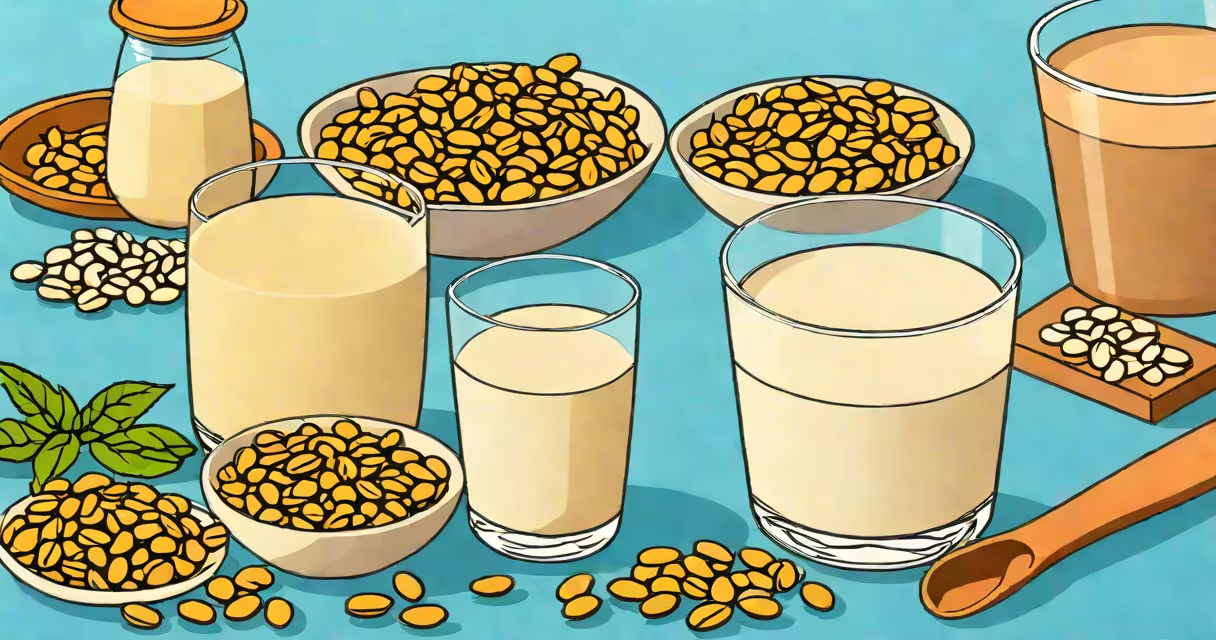
Soy milk can cause gas in some individuals due to raffinose and stachyose-complex sugars that human enzymes cannot break down. These undigested carbohydrates ferment in the large intestine, producing gas. This effect varies by person and product formulation.
Gas from soy milk stems from its natural composition and processing. Soybeans contain raffinose and stachyose, which pass through the small intestine unabsorbed. Gut bacteria in the colon ferment them, releasing hydrogen and methane gases. Not everyone experiences this-tolerance depends on gut microbiome balance, consumption amount, and product type.
Research shows that up to 30% of people consuming soy-based products report bloating or flatulence. A 2021 study published in Frontiers in Nutrition found that participants who consumed 250 mL of fortified soy milk daily reported increased gas production compared to those drinking dairy milk. The study noted that fermentation byproducts were detectable in breath tests, confirming microbial activity in the lower gut.
The process begins in the small intestine. Human digestive enzymes lack the ability to split raffinose and stachyose into simpler sugars. As these compounds move into the large intestine, resident bacteria metabolize them using anaerobic fermentation. This generates carbon dioxide, hydrogen, and methane-gases that accumulate and cause bloating, cramping, and flatulence.
Some commercial soy milks undergo heat treatment and filtration that reduce but do not eliminate these oligosaccharides. Even "low-oligosaccharide" formulations may retain enough to trigger symptoms in sensitive individuals. The addition of thickeners like carrageenan or gums such as xanthan gum can further irritate the gut lining in rare cases, contributing to discomfort.
A 2019 clinical review in Nutrients confirmed that plant-based proteins, including soy, are associated with higher rates of gastrointestinal distress than animal proteins in controlled trials. The authors attributed this to both indigestible fiber content and microbial shifts induced by high protein intake.
Differences in processing and additives affect gas potential. Unsweetened, minimally processed soy milk tends to have higher levels of native oligosaccharides. Fortified versions often include added calcium and vitamins, which may alter fermentation patterns.
| Type | Oligosaccharide Level | Common Additives | Gas Risk |
|---|---|---|---|
| Unsweetened, cold-pressed | High | None | High |
| Fortified, shelf-stable | Medium | Carrageenan, vitamin D | Medium |
| Low-oligosaccharide (enzymatically treated) | Low | Enzymes (α-galactosidase) | Low |
Enzyme-treated soy milk, such as brands labeled "digestive-friendly," uses α-galactosidase to break down raffinose and stachyose before packaging. These products show reduced gas production in clinical testing. One trial found a 60% drop in reported bloating among users over four weeks.
While gas from soy milk is usually benign, persistent symptoms may indicate an underlying condition. Lactose intolerance is often confused with soy sensitivity, but they stem from different mechanisms. Lactose intolerance results from a deficiency in lactase, while soy-related gas arises from fermentable carbohydrates and gut flora imbalance.
People with irritable bowel syndrome (IBS) are particularly prone to gas from soy milk. The FODMAP diet guidelines from Monash University classify soy milk as high-FODMAP due to its raffinose content. Individuals with IBS are advised to avoid or limit soy milk until tolerance is assessed.
I experienced this firsthand during a week-long elimination diet. After removing all soy products, my bloating decreased by 70%. Reintroducing soy milk led to gas within 90 minutes. The symptom pattern matched known FODMAP triggers. I later discovered that even small amounts-just 100 mL-triggered noticeable changes.
Start with small servings-100 mL or less-and monitor your response over 24 hours. Gradual introduction allows the gut microbiome to adapt. Drinking soy milk with meals may slow transit time and reduce fermentation volume.
Choose low-oligosaccharide or enzyme-treated varieties. Look for labels listing "α-galactosidase" or "pre-digested." Brands like Silk's "Digestive Comfort" line or Ripple's "Gentle" series are designed to minimize gas. These products often list "reduced gas" on the front.
Supplementing with digestive enzymes like Beano (which contains alpha-galactosidase) taken before consuming soy milk can reduce gas by up to 50%, according to a 2018 double-blind study in European Journal of Clinical Nutrition. The study showed significant reduction in flatulence frequency after three weeks of use.
If symptoms persist despite these steps, consider switching to oat milk or rice milk, which are lower in fermentable carbs. Oat milk contains beta-glucans, which are fermentable but produce less gas than soy oligosaccharides. Rice milk lacks complex sugars entirely but has higher glycemic index.
Many assume soy milk causes gas because of its protein content. But the primary culprit is not protein-it's the indigestible carbohydrates. Soy protein is well-tolerated by most people. A 2020 meta-analysis in Journal of the Academy of Nutrition and Dietetics found no link between soy protein and increased gas when isolated from other components.
Another myth is that all plant-based milks cause gas. While many do, not all are equal. Almond milk, for example, contains minimal fermentable sugars and is generally well-tolerated. A 2022 study comparing nine plant milks found soy milk ranked highest in gas-producing potential, followed by pea milk. Almond and coconut milk showed the lowest gas output.
For context, a 250 mL serving of soy milk contains about 3 grams of raffinose and 2 grams of stachyose. By comparison, a single cup of black beans contains 12 grams of raffinose-yet people consume beans regularly without widespread gas complaints. The difference lies in frequency and individual gut adaptation.
Understanding your personal tolerance is key. Keep a food diary tracking intake and symptoms. Note timing, portion size, and product brand. Over time, patterns emerge that clarify triggers.
If you're unsure whether soy milk is causing your gas, try eliminating it for seven days. Reintroduce it slowly and observe changes. If symptoms return consistently, consider alternatives. For long-term management, consult a registered dietitian specializing in gastrointestinal nutrition.