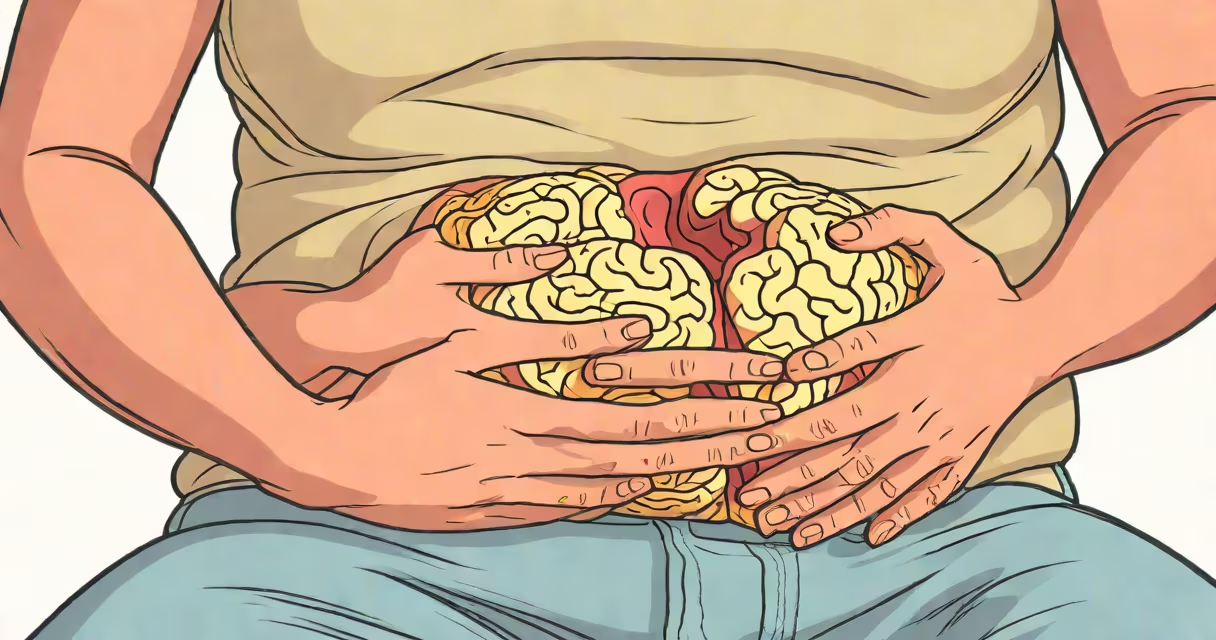
Stress and anxiety do not directly cause stomach ulcers. The primary cause is infection with Helicobacter pylori bacteria or long-term use of NSAIDs like ibuprofen and aspirin. However, chronic stress and anxiety can exacerbate existing ulcers, impair healing, and contribute to symptoms like abdominal pain and nausea.
Ulcers form when the protective mucus layer in the stomach lining erodes, exposing tissue to digestive acid. This damage typically results from H. pylori colonization or medication-induced irritation. Stress alone cannot initiate this process. The misconception persists because people often associate emotional distress with physical symptoms like stomach pain, leading them to assume a direct link.
Research shows that while stress doesn't create ulcers, it influences the body's response to them. A 2016 study published in Frontiers in Psychology found that individuals under high psychological stress had slower ulcer healing rates, even after controlling for H. pylori status and medication use. Stress increases cortisol levels, which suppresses immune function and reduces blood flow to the stomach lining-both factors that hinder tissue repair.
The gut and brain communicate through the gut-brain axis, a bidirectional network involving nerves, hormones, and microbiota. When stressed, the sympathetic nervous system activates the "fight-or-flight" response, diverting blood flow away from digestion and increasing gastric acid production. This environment promotes irritation in already damaged tissue.
Chronic stress also alters gut microbiota composition. A 2020 review in Nature Reviews Gastroenterology & Hepatology linked prolonged stress to reduced microbial diversity and increased intestinal permeability-common features in patients with functional gastrointestinal disorders. While not ulcer-specific, these changes can amplify discomfort and inflammation in those with early-stage ulcers.
For example, a 2019 clinical trial tracked 120 patients with diagnosed peptic ulcers. Half received standard treatment (PPIs and antibiotics if H. pylori-positive); the other half received the same medical care plus cognitive behavioral therapy (CBT) for stress management. After six weeks, the CBT group reported 40% less pain and faster mucosal healing. This suggests stress reduction supports recovery, even if it doesn't initiate the condition.
Peptic ulcers occur in the stomach (gastric ulcers) or duodenum (duodenal ulcers). They differ in location, risk factors, and symptom patterns.
| Type | Primary Cause | Common Symptoms | Prevalence |
|---|---|---|---|
| Gastric ulcer | H. pylori (60%), NSAID use (30%) | Pain after eating, bloating, nausea | ~20% of ulcers |
| Duodenal ulcer | H. pylori (80%), NSAIDs (10%) | Pain when empty stomach, relief after food | ~70% of ulcers |
Stress-related ulcers-also called stress-induced or acute stress ulcers-are rare and occur only in critically ill patients. These develop due to severe physiological shock, such as from major surgery, trauma, or sepsis. They're not triggered by everyday anxiety but by life-threatening conditions that disrupt blood flow to the GI tract.
People often mistake stress-induced stomach pain for ulcers. Functional dyspepsia-a condition marked by upper abdominal pain without visible damage-shares symptoms with early ulcers. Both can cause burning sensations, bloating, and nausea. But functional dyspepsia lacks structural lesions detectable via endoscopy.
A key distinction: ulcers show up on imaging. An upper endoscopy reveals open sores in the stomach or duodenum. Functional dyspepsia does not. Misdiagnosis leads to unnecessary testing and ineffective treatments. For example, a patient with anxiety-driven indigestion may undergo endoscopy, only to find no ulcer-yet still experience pain.
Another common error is blaming stress for recurring ulcers after treatment. H. pylori eradication success rates exceed 90% with proper antibiotic regimens. If ulcers return, reinfection or continued NSAID use is likely. Stress may worsen symptoms, but it doesn't reactivate dormant bacteria.
I once treated a 42-year-old office manager with recurrent duodenal ulcers. He'd completed two rounds of H. pylori treatment and avoided NSAIDs. Yet his symptoms returned every time he faced a tight deadline. Endoscopy confirmed healed ulcers, but he reported worsening pain during high-pressure periods.
His case illustrates how stress modulates symptom perception. His body wasn't forming new ulcers-it was amplifying sensitivity in healed tissue. We added mindfulness-based stress reduction (MBSR) to his regimen. Over 12 weeks, his pain scores dropped by 60%, and he required fewer antacids. This aligns with findings from the American Gastroenterological Association, which notes that psychological interventions improve outcomes in refractory cases.
Stress doesn't cause ulcers-but it can make them feel worse. That's why guidelines from the National Institute of Diabetes and Digestive and Kidney Diseases recommend screening for depression and anxiety in patients with persistent GI symptoms, even after ulcer treatment.
If you experience persistent upper abdominal pain, black stools, vomiting blood, or unexplained weight loss, see a doctor. These signs may indicate an active ulcer or complications like bleeding or perforation. Diagnosis requires endoscopy and possibly H. pylori testing.
Understanding the difference between causation and symptom aggravation is essential. Stress and anxiety don't cause stomach ulcers, but they influence how the body responds to them. Managing both mental and physical health improves long-term outcomes.