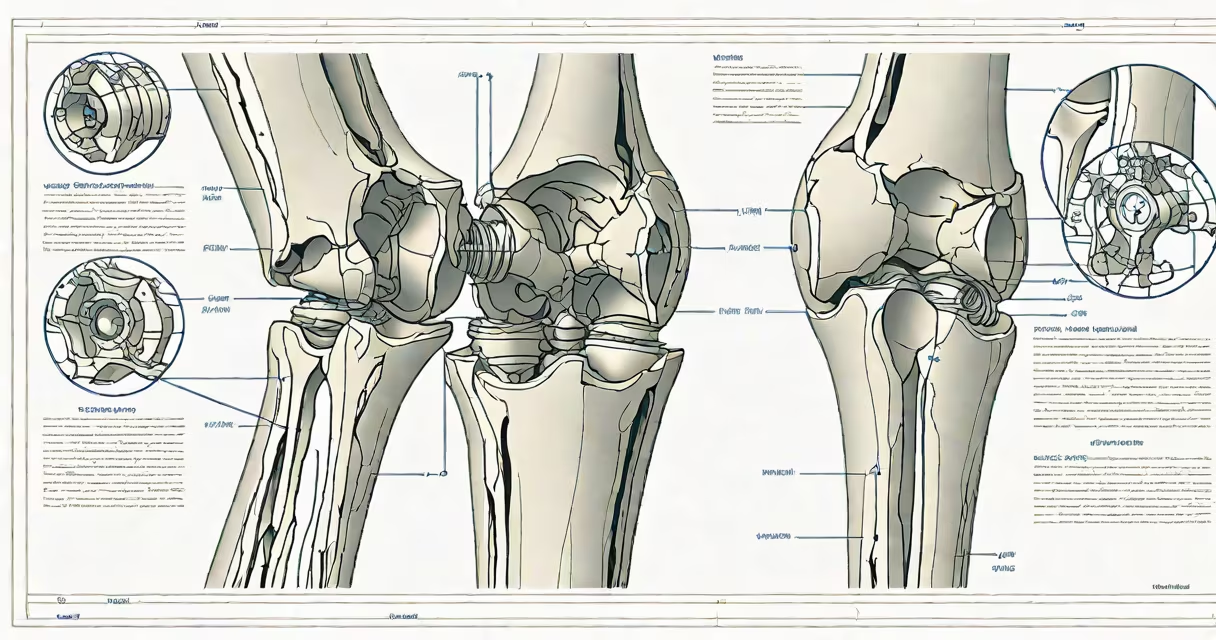
No, you cannot sprain a meniscus. A sprain affects ligaments-the tough bands connecting bones. The meniscus is fibrocartilage, a shock-absorbing pad between the thigh bone and shin bone. Sprains and meniscus injuries are distinct types of knee damage.
The confusion arises because both conditions cause similar symptoms: pain, swelling, stiffness, and instability. But they involve different tissues and require different treatments. A sprain results from ligament overstretching or rupture. A meniscus injury involves tearing or fraying of the cartilage cushion inside the knee joint.
According to the American Academy of Orthopaedic Surgeons (AAOS), meniscal tears account for about 15% of all knee injuries seen in primary care settings. Ligament sprains-especially of the anterior cruciate ligament (ACL)-are more common in contact sports. Mislabeling a meniscus tear as a "sprain" delays proper diagnosis and treatment.
Meniscus injuries happen when force is applied to a bent knee during twisting, pivoting, or sudden deceleration. Common scenarios include landing awkwardly from a jump, turning quickly while running, or squatting heavily. The meniscus acts as a load distributor, absorbing impact between the femur and tibia.
When excessive pressure exceeds the cartilage's tensile strength, a tear forms. Tears can be radial, horizontal, bucket-handle, or flap-type-each affecting knee function differently. A bucket-handle tear, for example, can lock the knee joint, making it impossible to straighten the leg.
In a study published in the Journal of Orthopaedic Research, researchers found that degenerative meniscus tears are more common in adults over 40 due to natural cartilage wear. These tears often occur with minimal trauma-sometimes during routine activities like getting out of a car.
Confusing a meniscus tear with a ligament sprain leads to incorrect self-treatment. Here's how to distinguish them:
| Feature | Meniscus Injury | Ligament Sprain |
|---|---|---|
| Tissue Involved | Fibrocartilage (meniscus) | Ligaments (e.g., ACL, PCL, MCL) |
| Common Cause | Twisting under weight-bearing stress | Sudden stop, change in direction, direct blow |
| Typical Pain Location | Inner or outer side of knee, depending on which meniscus is torn | Front, back, or side of knee, often localized to specific ligament |
| Swelling Onset | Often delayed (hours to days) | Immediate or within hours |
| Joint Locking | Yes, with large tears (e.g., bucket-handle) | No |
For example, a basketball player who lands on a planted foot and twists their knee may hear a pop and feel immediate pain on the inner side of the knee. Swelling develops over the next 24 hours. This pattern suggests a medial meniscus tear-not a sprain.
Conversely, a football player tackled sideways may feel a sharp pain in the front of the knee and have difficulty bearing weight. An MRI shows a complete ACL tear. That's a sprain-specifically, a grade III ACL sprain.
Calling a meniscus tear a "sprain" misrepresents the injury and undermines recovery. Ligament sprains often heal with rest, bracing, and physical therapy. Meniscus tears may require arthroscopic surgery if conservative care fails.
A 2021 review in the British Journal of Sports Medicine found that patients who were initially misdiagnosed with "knee sprains" took an average of 12 weeks longer to return to sport compared to those correctly diagnosed with meniscal tears. Delayed treatment increases the risk of secondary damage, such as osteoarthritis.
One key distinction most people miss: ligaments stabilize joints. Cartilage absorbs shock. When a ligament is sprained, the joint becomes unstable. When a meniscus is torn, the joint loses its ability to distribute load evenly-leading to increased wear on the articular cartilage.
I once treated a 38-year-old runner who reported persistent pain on the inner side of her right knee. She'd fallen while trail running and felt a "snap." She assumed it was a mild sprain. She rested for five days, then resumed training. Pain worsened. Swelling returned.
An MRI revealed a vertical longitudinal tear in the medial meniscus. The tear was not visible on initial X-rays. She underwent arthroscopic partial meniscectomy. After six weeks of rehab, she returned to running at 80% intensity.
This case illustrates why accurate terminology matters. Had she believed she had a "sprain," she might have ignored warning signs and accelerated cartilage degeneration.
If you experience any of the following after a knee injury, see a healthcare provider:
Imaging-usually MRI-is required to confirm whether the issue lies in the meniscus or ligaments. Ultrasound and X-ray are less effective for soft tissue evaluation.
Recovery timelines differ. A mild ligament sprain typically resolves in 2-6 weeks with activity modification and strengthening exercises. A meniscus tear may take 6-12 weeks, especially if surgery is involved.
Prevention includes strengthening the quadriceps and hamstrings, maintaining proper running form, and avoiding sudden pivoting movements without adequate warm-up. Athletes should perform changing warm-ups before competition and use proper footwear.
Understanding the difference between a sprain and a meniscus injury prevents misdiagnosis and supports faster healing. Always consult a clinician when knee pain persists. Accurate terminology enables accurate care.