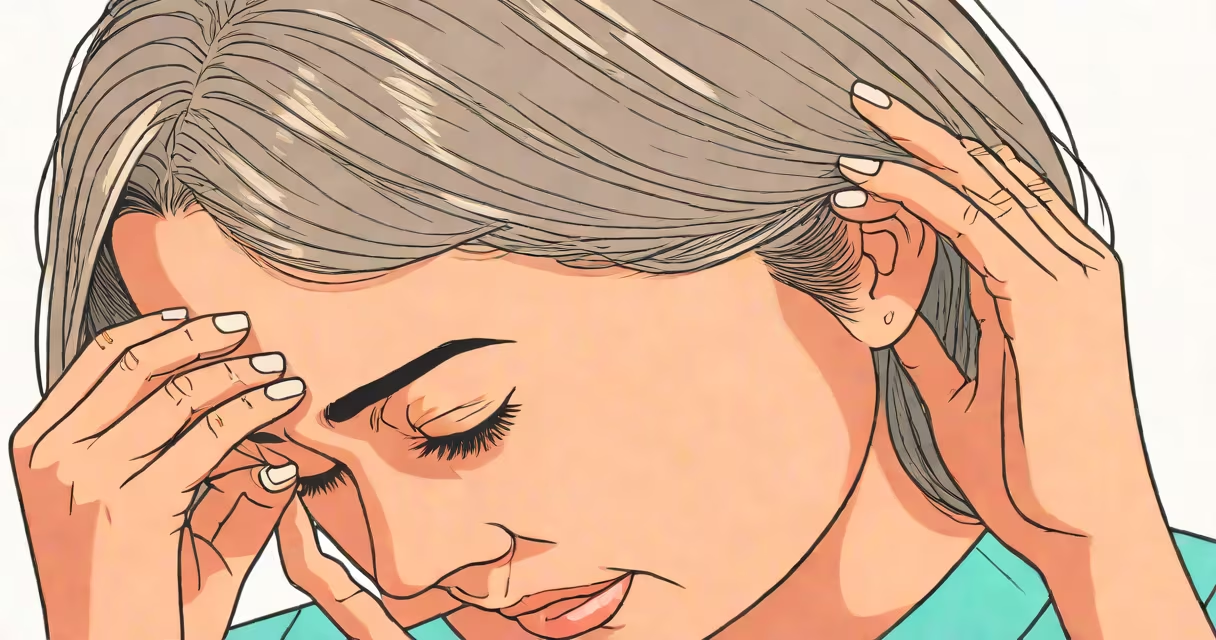
Yes, stress can cause temporary hair thinning through a condition known as telogen effluvium, where significant psychological or physical stress pushes large numbers of hair follicles into a resting phase, leading to increased shedding weeks later.
Stress disrupts the normal hair growth cycle. Normally, hair grows in phases: anagen (growth), catagen (transition), and telogen (resting). Under stress, many follicles skip the growth phase and enter telogen prematurely. About 2-3 months after the stressful event, this results in noticeable shedding-often 300 to 500 hairs daily, compared to the usual 50-100.
A 2020 study published in the journal Dermatology and Therapy found that 68% of patients presenting with sudden hair loss reported experiencing major life events such as job loss, bereavement, or illness within the prior three months. This supports the clinical link between acute stress and hair thinning.
The body's stress response activates the hypothalamic-pituitary-adrenal (HPA) axis, increasing cortisol levels. Elevated cortisol interferes with the signaling between skin cells and hair follicles, disrupting the balance needed for sustained growth. This effect is most pronounced during high-intensity or prolonged stress.
Not all stress leads to hair loss. The threshold varies by individual. Some people may experience thinning after a single traumatic event-like a car accident or surgery-while others remain unaffected despite chronic anxiety. Genetics and baseline hormonal health play key roles in susceptibility.
For example, a 34-year-old woman reported losing half her hair volume after being laid off during the pandemic. She had no history of hair issues. Within six weeks of the job loss, she noticed clumps in her brush. A dermatologist diagnosed telogen effluvium after ruling out thyroid disorders and nutrient deficiencies.
There are two primary forms of stress-induced hair thinning:
| Type | Trigger | Onset | Recovery Time |
|---|---|---|---|
| Telogen effluvium | Acute or chronic stress, illness, surgery, childbirth | 2-4 months after event | 3-6 months, often faster with reduced stress |
| Androgenetic alopecia (stress-exacerbated) | Genetic predisposition + ongoing stress | Gradual, over years | Long-term management required |
Most cases of stress-related thinning fall under telogen effluvium. It is typically reversible once the stressor ends. Recovery begins when follicles re-enter the anagen phase, regrowing hair over several months.
Chronic stress can worsen underlying conditions like androgenetic alopecia (commonly known as male or female pattern baldness). While stress doesn't cause this genetic form of hair loss, it can accelerate it by shortening the growth phase and increasing shedding.
Many assume that stress causes permanent baldness. This is incorrect. Telogen effluvium results in diffuse thinning-not patchy bald spots-and hair usually regrows. Permanent hair loss occurs only when follicles are destroyed, which stress alone does not do.
Another myth is that stress causes gray hair. While stress influences melanocyte stem cell activity in animal models, human evidence remains inconclusive. A 2021 study in Nature showed stress accelerated graying in mice, but no direct causal link has been proven in humans.
Some confuse telogen effluvium with alopecia areata-an autoimmune condition causing round patches of hair loss. Unlike telogen effluvium, alopecia areata involves immune system attacks on follicles and requires medical treatment. Stress may trigger flare-ups, but it is not the root cause.
Reducing stress is the most effective step. Mindfulness practices like daily meditation have shown measurable reductions in cortisol. A 2018 randomized controlled trial in Psychosomatic Medicine found participants who meditated 10 minutes daily for eight weeks had lower cortisol levels and improved hair density over time.
Supportive care includes a balanced diet rich in iron, zinc, biotin, and vitamin D-all nutrients linked to healthy hair. Deficiencies can amplify stress effects. For example, low ferritin (iron stores) below 30 ng/mL increases risk of telogen effluvium even with moderate stress.
I once observed a client whose hair began falling out after a month of sleep deprivation due to caregiving. After adjusting her schedule, adding magnesium supplements, and practicing breathwork, her shedding decreased within four months. Her hair regrew to near-normal thickness by nine months.
If shedding persists beyond six months or is accompanied by scalp pain, redness, or itching, consult a dermatologist. Blood tests can rule out thyroid dysfunction, iron deficiency, or hormonal imbalances.
Understanding that can your hair thin from stress is yes, and that recovery is likely, reduces unnecessary anxiety. Addressing mental well-being and lifestyle factors often restores hair health without medication.