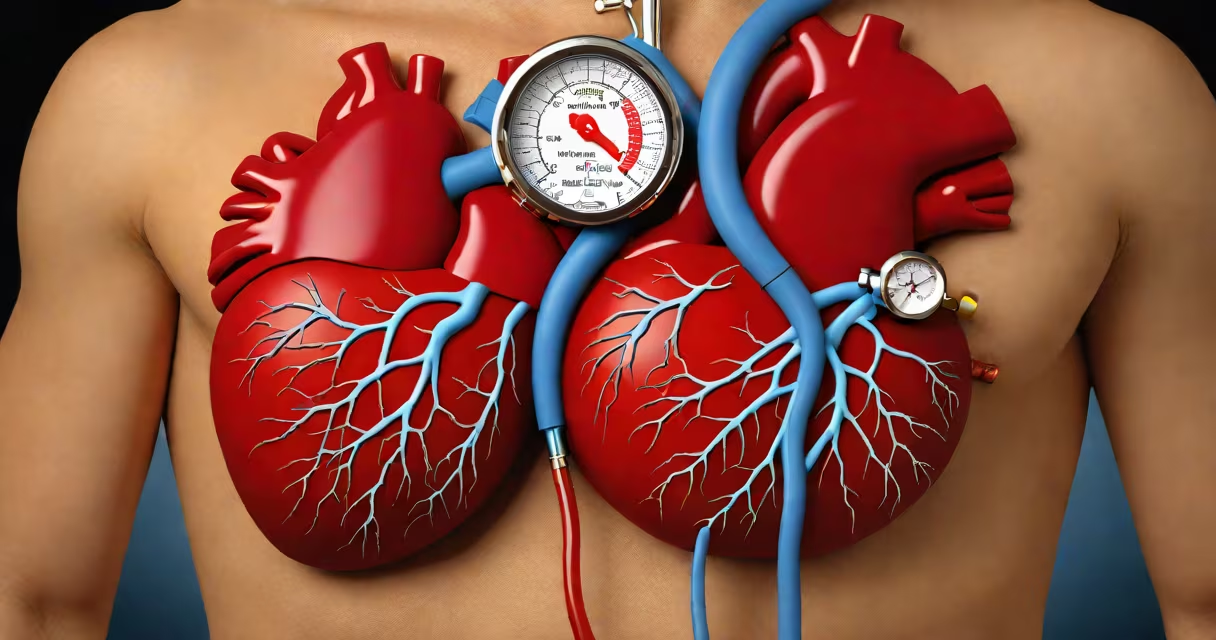
Chest pains blood pressure describes the relationship between elevated blood pressure and discomfort in the chest, often indicating cardiovascular strain or underlying heart conditions. High blood pressure forces the heart to work harder, increasing the risk of angina, heart attacks, and other serious events.
High blood pressure doesn't always cause noticeable symptoms, but it damages arteries over time. This damage reduces blood flow to the heart muscle, leading to ischemia-a condition where the heart doesn't get enough oxygen. When this happens, the body signals distress through chest pain. The pain may feel like pressure, tightness, or squeezing, especially during physical exertion or emotional stress.
According to the American Heart Association, nearly half of U.S. adults have high blood pressure, yet many don't know it. Uncontrolled hypertension increases the risk of heart attack by 2.5 times compared to those with normal readings. The connection between chest pain and blood pressure is not always obvious, but recognizing patterns is critical for early intervention.
When blood pressure remains consistently above 130/80 mm Hg, the walls of the arteries stiffen and narrow. This process, called atherosclerosis, begins with plaque buildup from cholesterol and inflammatory cells. As plaques grow, they restrict blood flow through coronary arteries-the vessels supplying blood to the heart muscle.
During exertion, the heart demands more oxygen-rich blood. If narrowed arteries can't deliver sufficient flow, the heart muscle experiences ischemia. This triggers nerve endings in the heart, sending pain signals to the brain via the spinal cord. The sensation is typically felt in the center of the chest and may radiate to the left arm, jaw, or back.
A 2021 study published in The Lancet found that patients experiencing chest pain with systolic blood pressure above 160 mm Hg were twice as likely to have significant coronary artery disease on imaging tests compared to those with lower readings. This shows that high blood pressure is not just a background factor-it's a direct contributor to cardiac pain.
Chest pain associated with blood pressure falls into several categories based on timing, duration, and triggers. Not all chest pain is heart-related, but persistent or worsening pain requires urgent evaluation.
| Type | Duration | Trigger | Link to Blood Pressure |
|---|---|---|---|
| Stable angina | 2-10 minutes | Exercise, stress | Occurs when BP rises during activity, reducing blood flow to heart |
| Unstable angina | Longer than 10 minutes, unpredictable | Can occur at rest | Indicates plaque rupture; high BP accelerates progression |
| Variant (Prinzmetal's) angina | Short bursts, often at night | Coronary artery spasm | Blood pressure spikes during spasms; linked to endothelial dysfunction |
One key distinction is that stable angina usually resolves with rest or nitroglycerin. Unstable angina does not respond predictably and signals a higher risk of heart attack. A patient with a history of hypertension who develops new-onset chest pain during routine walking should be evaluated within hours.
Many people assume chest pain only occurs during a heart attack. But chest pain from blood pressure issues often starts subtly. Some report a dull ache, heaviness, or pressure-not sharp pain. Others mistake it for indigestion, especially if the pain radiates upward toward the throat.
One non-obvious fact: blood pressure can drop suddenly during a heart attack. A person may arrive at the emergency room with low blood pressure despite having had high levels earlier. This reflects the heart's inability to pump effectively after tissue damage. So, low BP doesn't rule out a prior episode of high BP contributing to the event.
Another common error is dismissing chest pain as anxiety. While panic attacks can mimic cardiac symptoms, they rarely cause lasting changes on an electrocardiogram (ECG). A 2020 study in JAMA Internal Medicine showed that 12% of patients presenting with chest pain and normal ECGs still had undiagnosed coronary artery disease upon follow-up angiography. This highlights that normal test results do not eliminate risk, especially in hypertensive individuals.
In 2022, a 58-year-old man with uncontrolled hypertension (average readings of 165/100 mm Hg) reported intermittent chest pressure during walks. He attributed it to "gas" and avoided doctors for six months. After collapsing at home, he was rushed to the ER.
His ECG showed ST-segment depression in leads II, III, and aVF-indicating inferior wall ischemia. Blood tests revealed elevated troponin, confirming heart muscle injury. Coronary angiography revealed 80% blockage in the right coronary artery. His blood pressure had been consistently high for five years, contributing to arterial remodeling and plaque formation.
After stent placement and medication adjustment, his blood pressure stabilized at 128/82 mm Hg. He now monitors it daily and reports no further episodes. This case illustrates how chronic high blood pressure can silently lead to chest pain and structural heart damage.
If chest pain lasts longer than five minutes, spreads to the jaw or arm, or is accompanied by sweating, nausea, or shortness of breath, treat it as a potential heart attack. Call emergency services immediately. Do not drive yourself.
Even if symptoms resolve quickly, consult a healthcare provider. Persistent chest discomfort with high blood pressure warrants evaluation. Your doctor may recommend an ECG, echocardiogram, or stress test to assess heart function and blood vessel health.
I once observed a patient who delayed care for three days due to fear of hospitalization. By then, his heart muscle had sustained irreversible damage. That experience reinforced the urgency of addressing chest pains blood pressure early-even when symptoms seem mild.
Chest pains blood pressure is not a single diagnosis but a warning sign of cardiovascular strain. High blood pressure weakens arteries and reduces oxygen delivery to the heart, causing pain during exertion or stress. Not all chest pain is heart-related, but the combination of high blood pressure and chest discomfort demands prompt attention.
Regular monitoring of blood pressure and awareness of symptom patterns are essential. If you experience chest pain, especially with known hypertension, seek evaluation. Early detection prevents complications and improves long-term outcomes.