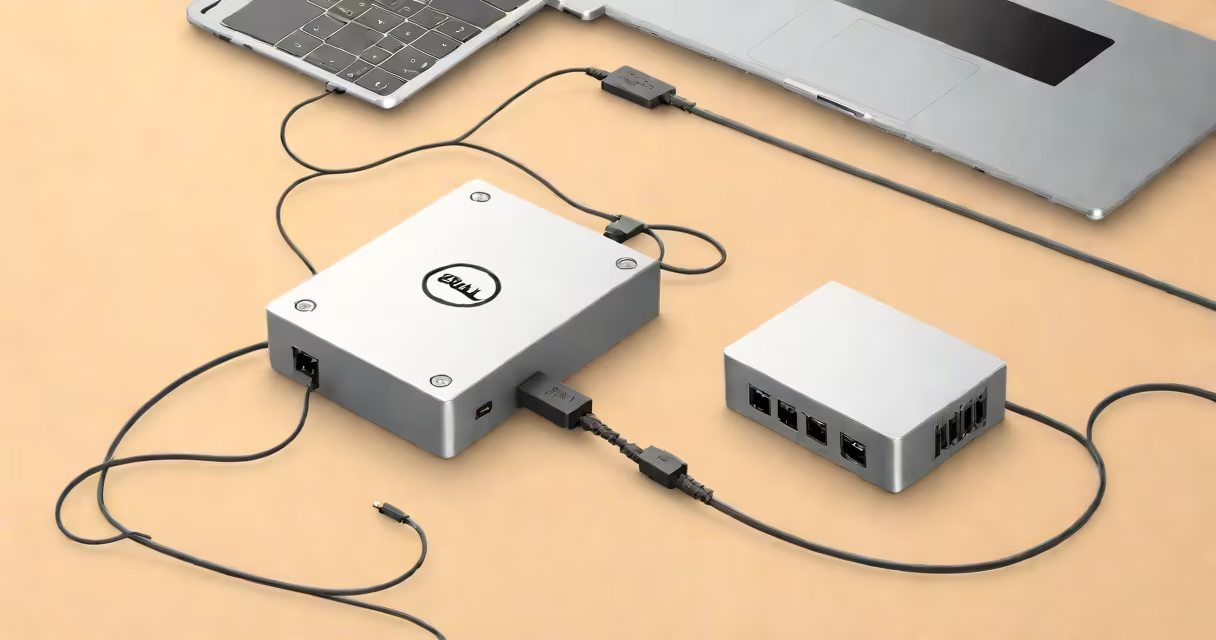
A Dell laptop power supply replacement is a certified or compatible AC adapter that delivers the correct voltage and amperage to charge a Dell laptop safely and efficiently. It replaces a damaged, worn, or malfunctioning charger while maintaining system stability and battery health.
Dell laptops require specific power inputs based on model series and power requirements. Using an incorrect replacement can cause overheating, slow charging, or permanent damage to the motherboard or battery. The replacement must match the original part number, output rating (volts and amps), and connector size.
For example, a Dell Latitude 5420 uses a 65W adapter with a 6.5mm barrel plug. A mismatched 45W adapter may not provide enough power during high load, causing the laptop to draw from the battery even when plugged in. A 90W adapter won't harm the system but may not fit the port due to physical dimensions.
The replacement power supply converts 110-240V AC household current into low-voltage DC suitable for the laptop's internal circuits. Inside the adapter, a transformer steps down voltage, rectifiers convert AC to DC, and regulators stabilize the output. The laptop's power management system monitors input and adjusts charging behavior accordingly.
When the replacement adapter is connected, the laptop checks the voltage and current signature. If the values fall outside the acceptable range (±5%), the system may display a warning or refuse to charge. This prevents unsafe operation with undersized or counterfeit adapters.
Modern Dell models like the XPS 13 and Inspiron 14 use USB-C Power Delivery (PD) standards. These support variable voltages (5V, 9V, 15V, 20V) and can deliver up to 100W. A replacement must support PD and match the required power profile. For instance, the Dell XPS 13 9310 requires a 65W USB-C PD charger. Using a 45W adapter results in slower charging and reduced performance under load.
Three main categories exist: OEM (original equipment manufacturer), certified third-party, and generic adapters. Each varies in safety, reliability, and compliance.
| Type | Output Rating | Compliance | Best For |
|---|---|---|---|
| OEM (Dell-branded) | Matches original specs exactly | FCC, CE, RoHS, UL listed | Maximum safety, warranty coverage |
| Certified third-party | Same specs, tested by independent labs | UL, FCC, CE, ISO 9001 | Cost savings, reliable performance |
| Generic (unbranded) | Often mislabeled or inconsistent | None or unverified | Not recommended - risk of fire or damage |
Generic adapters sold on marketplaces frequently lack proper labeling. One study by the Consumer Product Safety Commission found that 38% of unbranded chargers failed basic electrical safety tests. These units often deliver inconsistent voltage, leading to battery degradation over time.
Common reasons for replacing a Dell laptop power supply include frayed cables, broken plugs, intermittent charging, or complete failure. Physical wear typically occurs at the connector end due to repeated bending. Over time, internal components degrade, especially in high-temperature environments.
For example, a Dell Vostro 3501 user reported that their original charger stopped working after 18 months of daily use. The cable had cracked near the plug, causing intermittent connection. After replacing it with a Dell-certified 65W adapter, charging resumed reliably and the battery health remained stable.
Using a non-compliant adapter risks voiding the laptop's warranty. Dell's service policy states that damage caused by unauthorized accessories-including third-party chargers-is not covered under standard warranty terms. However, certified replacements do not affect warranty eligibility.
Many users assume any USB-C charger can work with Dell laptops. This is false. Not all USB-C chargers support Power Delivery (PD) or have the correct voltage profiles. A 30W USB-C charger may charge a Dell laptop slowly but won't sustain performance during intensive tasks like video editing.
Another misconception is that higher wattage equals better performance. A 90W adapter doesn't charge faster than a 65W one-it only supports higher power draw during peak loads. Using a 90W adapter on a 65W-rated laptop causes no harm, but it's unnecessary and more expensive.
One non-obvious fact: Dell uses different pin configurations in some adapters. The Dell Precision 5560 uses a 5-pin barrel connector with a unique polarity arrangement. A generic replacement with a 4-pin design may not fit or could reverse polarity, damaging the laptop. Always verify the pin layout using the original adapter's specifications.
Suppose you own a Dell Latitude 7420. The original adapter is labeled "Dell 65W AC Adapter, Model: DELL-AC65." You notice the cable is fraying and the laptop charges intermittently.
After purchase, test the new adapter. Plug it in and monitor the charging indicator. If the light turns solid green within 10 minutes and the battery level increases steadily, the replacement is functional. Avoid using the laptop under heavy load until you confirm stable power delivery.
I replaced my Dell Inspiron 15 5502's charger with a certified 65W Anker adapter. The new unit fits perfectly, charges at full speed, and has a built-in surge protector. After six months of daily use, no issues have occurred. The adapter also supports multiple devices via USB ports, which adds convenience.
Always choose a Dell laptop power supply replacement that matches the original output rating, connector size, and safety certifications. Avoid generic or unbranded units-even if they're cheap. The long-term cost of replacing a damaged motherboard far exceeds the price of a quality adapter.
When in doubt, consult Dell's official support site for part numbers and compatibility charts. A correct replacement ensures consistent performance, safety, and longevity of your system.