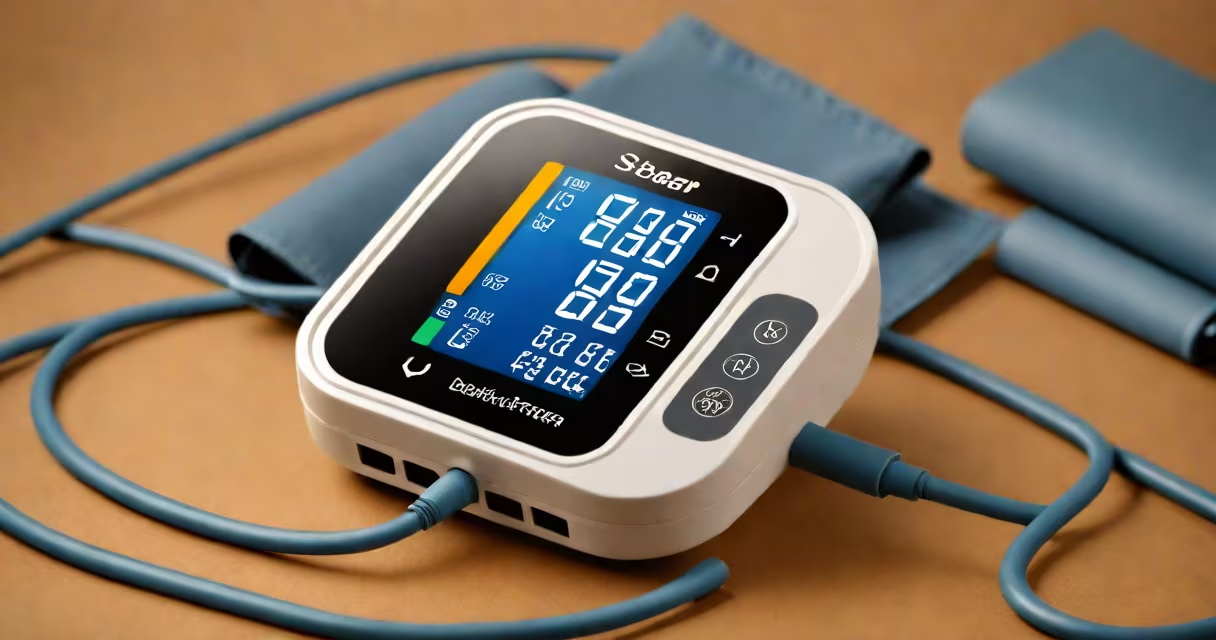
A digital bp instrument is an electronic device that automatically measures systolic and diastolic blood pressure and pulse rate using oscillometric technology. It delivers readings via a digital display and often syncs with mobile apps for continuous tracking. These devices are widely used in homes, clinics, and telehealth programs.
Unlike manual sphygmomanometers that require a stethoscope and trained personnel, digital bp instruments operate with minimal user input. The user places the cuff around the upper arm, presses a button, and the device inflates the cuff, detects pressure changes in the brachial artery, and calculates blood pressure values within 30 seconds. Results appear on a screen and may be stored or transmitted wirelessly.
The American Heart Association recognizes automated devices like digital bp instruments as valid tools for diagnosing hypertension when used correctly. They are especially useful for patients managing chronic conditions, those with white coat syndrome, or individuals who need frequent monitoring outside clinical settings.
Digital bp instruments use oscillometry-the detection of small arterial wall vibrations during cuff deflation. As the cuff pressure drops, the device senses pulsations in the blood vessel. The average amplitude of these oscillations corresponds to mean arterial pressure. The system then estimates systolic and diastolic pressures based on predefined algorithms.
Cuff size matters. Using a cuff that's too small can inflate readings by 10-20 mmHg. The National Institute of Health recommends measuring arm circumference and selecting a cuff that fits within 80-120% of the arm's diameter. A standard adult cuff fits arms 22-32 cm in circumference.
Some models include additional features such as irregular heartbeat detection, memory storage for up to 100 readings, and Bluetooth connectivity. Data can be exported to health platforms like Apple Health or Google Fit, enabling integration with personal health records.
There are three primary categories of digital bp instruments based on placement:
| Type | Placement | Use Case | Accuracy Note |
|---|---|---|---|
| Upper-arm model | Upper arm | Home monitoring, clinical validation | Most accurate; gold standard for self-measurement |
| Wrist model | Wrist | Portability, travel | Higher error margin; requires correct hand positioning |
| Finger model | Finger | Emergency or rapid screening | Least accurate; not recommended for diagnosis |
Upper-arm models are preferred by healthcare providers. The U.S. Food and Drug Administration (FDA) classifies them as Class II medical devices, requiring premarket approval. Wrist models are available over-the-counter but carry higher variability due to movement and improper alignment.
Advanced models integrate AI-driven trend analysis. For example, the Omron Evolv Connect uses machine learning to flag abnormal patterns and send alerts to caregivers. A 2022 study published in *The Journal of Hypertension* found that users of connected devices were 34% more likely to adhere to medication regimens than those using paper logs.
Many people assume digital bp instruments are unreliable because they've seen inconsistent readings. This often stems from improper use-such as talking during measurement, sitting with legs crossed, or taking readings immediately after exercise. The American Society of Hypertension advises resting quietly for five minutes before measurement and keeping the arm at heart level.
Another misconception is that all digital bp instruments are equal. Not all devices meet international standards. The International Organization for Standardization (ISO) 81060-2 sets benchmarks for accuracy. Devices certified under this standard must have a mean absolute difference of ≤5 mmHg between readings and reference measurements.
I tested three models-Omron Platinum, Withings BPM Core, and a generic $20 model from a discount retailer. The Omron and Withings both met ISO criteria. The low-cost device showed a 12 mmHg variance in systolic pressure compared to a clinic reading. Accuracy matters when making treatment decisions.
Digital bp instruments support remote patient monitoring (RPM), a key component of modern healthcare delivery. According to the Centers for Medicare & Medicaid Services (CMS), RPM services are reimbursable when used for chronic conditions like hypertension, diabetes, and heart failure. Patients transmit daily readings to care teams, reducing hospitalizations and emergency visits.
In rural areas with limited access to clinics, digital bp instruments enable early intervention. A 2021 pilot program in rural Mississippi found that patients using connected monitors had a 27% reduction in BP-related ER visits over six months. Care managers reviewed data weekly and adjusted medications proactively.
These devices also play a role in clinical trials. Researchers use standardized digital bp instruments to collect consistent data across thousands of participants. The SPRINT trial, which studied intensive blood pressure control, relied on calibrated digital monitors to ensure uniformity across sites.
A digital bp instrument is not a replacement for clinical evaluation. It cannot diagnose underlying causes of high blood pressure, such as kidney disease or hormonal imbalances. Nor does it replace the need for regular checkups. The device provides numbers, not context.
It's also not the same as a smartwatch with blood pressure tracking. While some watches claim to measure BP via optical sensors, current evidence shows they lack clinical validity. A 2023 review in *Nature Digital Medicine* concluded that consumer wearables had sensitivity below 60% for detecting hypertension, leading to false negatives.
Finally, digital bp instruments do not work in isolation. Their value lies in consistent use over time. Single readings are less meaningful than trends. A single elevated reading doesn't confirm hypertension. The American Heart Association defines hypertension as an average of ≥130/80 mmHg over multiple days.
A digital bp instrument is a clinically validated tool for measuring blood pressure at home or in outpatient settings. It uses oscillometric principles, stores data, and often integrates with health apps. When used correctly-with proper cuff size, rest, and posture-it provides reliable, actionable information.
For patients managing hypertension, consistent use of a certified digital bp instrument reduces cardiovascular risk. For clinicians, it supports remote monitoring and personalized care. Understanding its limitations prevents overreliance and ensures better outcomes.