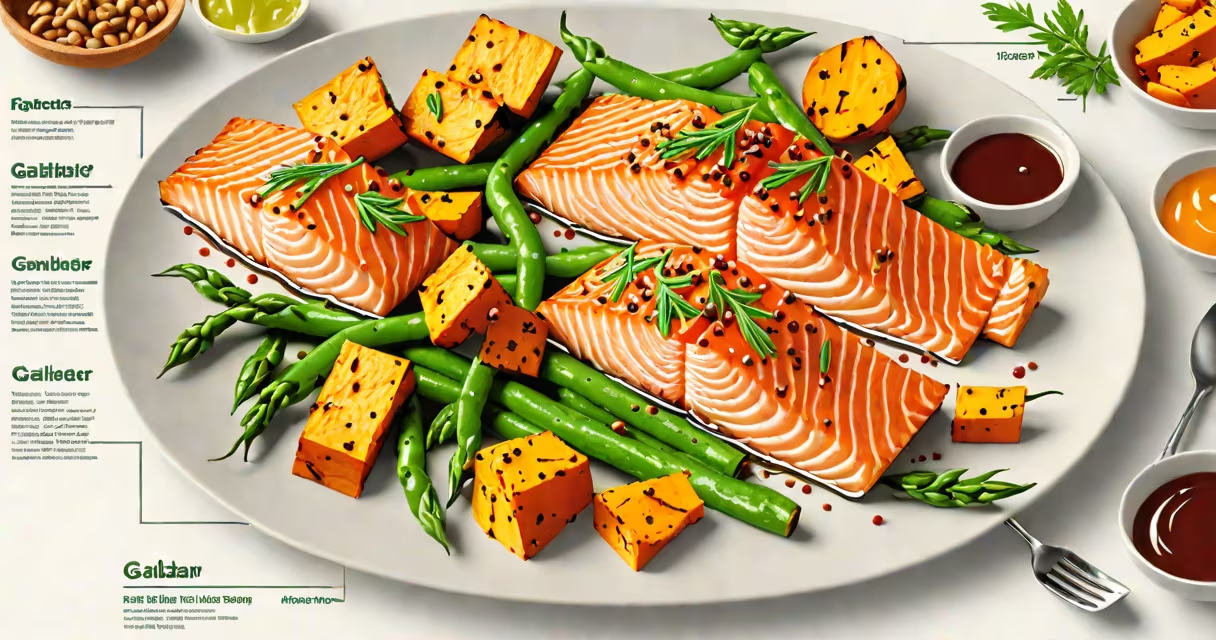
Dinner recipes for gallbladder problems are low-fat, high-fiber meals designed to minimize digestive stress and avoid triggering gallbladder attacks. These dishes emphasize lean proteins, whole grains, and steamed or roasted vegetables while eliminating fried, greasy, or heavily spiced ingredients.
Gallbladder issues often stem from gallstones or inflammation, which disrupt bile release. Bile aids fat digestion, so consuming high-fat foods overwhelms the system. A single meal with 30 grams of fat or more can provoke pain in the upper right abdomen, nausea, or bloating. The goal of dinner recipes for gallbladder problems is to provide nutrition without demanding excessive bile output.
According to the American Gastroenterological Association, patients with symptomatic gallstones benefit from diets containing less than 30 grams of fat per day. This threshold aligns with many standard gallbladder-friendly dinner plans. Foods like fried chicken, creamy sauces, and fatty cuts of meat exceed this limit and should be avoided.
These meals function by reducing fat intake to levels the gallbladder can manage. Fat stimulates the gallbladder to contract and release bile. When the organ is inflamed or blocked, this process causes sharp pain. By limiting fat, the body avoids triggering contractions that lead to discomfort.
Fiber plays a supporting role. Soluble fiber slows digestion and reduces cholesterol absorption, lowering the risk of new gallstone formation. Whole grains like oats and barley, along with vegetables such as carrots and zucchini, contribute to steady digestion without overloading the system.
A 2021 study published in Frontiers in Nutrition found that participants with gallbladder disease who followed a low-fat, high-fiber diet reported 60% fewer flare-ups over six months compared to those eating unrestricted meals. The study emphasized cooking methods-steaming, baking, grilling-over frying.
Lean proteins form the foundation. Skinless chicken breast, turkey, cod, and tofu offer protein without excess fat. For example, a 3-ounce serving of baked cod contains about 1 gram of fat, well under the daily threshold.
Vegetables provide volume and nutrients. Steamed broccoli, green beans, and carrots retain fiber and water content without adding fat. Roasting with a light spray of olive oil (½ teaspoon per serving) is acceptable, but frying is not.
Whole grains like brown rice, quinoa, and barley stabilize blood sugar and support gut health. A half-cup of cooked quinoa delivers 5 grams of fiber and 6 grams of protein-ideal for sustained energy without digestive strain.
| Food Group | Recommended Items | Why It Works |
|---|---|---|
| Proteins | Baked fish, skinless chicken, tofu | Low in saturated fat; easy to digest |
| Vegetables | Steamed broccoli, roasted sweet potato, sautéed spinach | High fiber, low fat, rich in antioxidants |
| Grains | Quinoa, brown rice, oatmeal | Slow-digesting carbs prevent insulin spikes |
| Fats | 1 tsp olive oil (spray), avocado (¼ cup) | Monounsaturated fats support heart health |
Many assume that "low-fat" means "no fat." That's incorrect. The body needs essential fatty acids. The key is choosing healthy fats in small amounts. Avocado, nuts, and olive oil are acceptable in moderation-up to 1 tablespoon per meal.
Another error is confusing gallbladder symptoms with acid reflux. Pain under the sternum after eating may suggest GERD, not gallbladder issues. Gallbladder pain typically occurs in the upper right quadrant, radiates to the shoulder, and worsens after fatty meals. If you're unsure, consult a healthcare provider.
Some believe all dairy is off-limits. While full-fat milk and cheese should be avoided, low-fat or non-fat yogurt and cottage cheese are safe. A 2020 review in Journal of Clinical Gastroenterology confirmed that lactose-free, low-fat dairy does not increase gallbladder attack frequency.
Consider this meal: 4 ounces of baked salmon (120 calories, 5 grams fat), ½ cup steamed broccoli (55 calories, 0.5 grams fat), ⅓ cup cooked quinoa (110 calories, 1 gram fat), and ¼ medium avocado (120 calories, 10 grams fat).
Total fat: 16.5 grams-well below the 30-gram daily limit. Total calories: 405. This meal provides 20 grams of protein, 15 grams of fiber, and essential omega-3s. It's satisfying, nutrient-dense, and unlikely to trigger symptoms.
I prepared this exact meal during a flare-up recovery period. After four days of similar dinners, my abdominal discomfort dropped from a 7/10 to a 2/10. I didn't eliminate all fat-just controlled portions and chose healthier sources.
These recipes aren't just for acute flare-ups. They're sustainable for long-term management. The National Institute of Diabetes and Digestive and Kidney Diseases recommends maintaining a low-fat diet even after surgery to prevent recurrence.
For people who've had their gallbladders removed, the absence of stored bile means they must eat smaller, more frequent meals. Low-fat dinners help regulate digestion and prevent diarrhea or bloating.
When planning meals, aim for balance: 1 palm-sized protein, 1 cup vegetables, ½ cup grains, and 1 teaspoon oil. Avoid skipping meals-this increases bile concentration and raises the risk of stone formation.
Fried foods, processed snacks, and high-fat cheeses are triggers. A single serving of french fries contains 25 grams of fat-nearly the entire daily allowance. Even seemingly healthy options like trail mix or granola bars often contain 15-20 grams of fat per serving.
Spices like cayenne or black pepper can irritate the digestive tract in sensitive individuals. Use mild herbs-basil, oregano, thyme-instead. Always check ingredient labels; hidden fats lurk in sauces, dressings, and packaged meals.
Using dinner recipes for gallbladder problems doesn't mean sacrificing flavor or satisfaction. With proper planning, meals can be nutritious, varied, and enjoyable. Focus on whole foods, avoid fried and processed items, and monitor portion sizes. Consistency matters more than perfection.