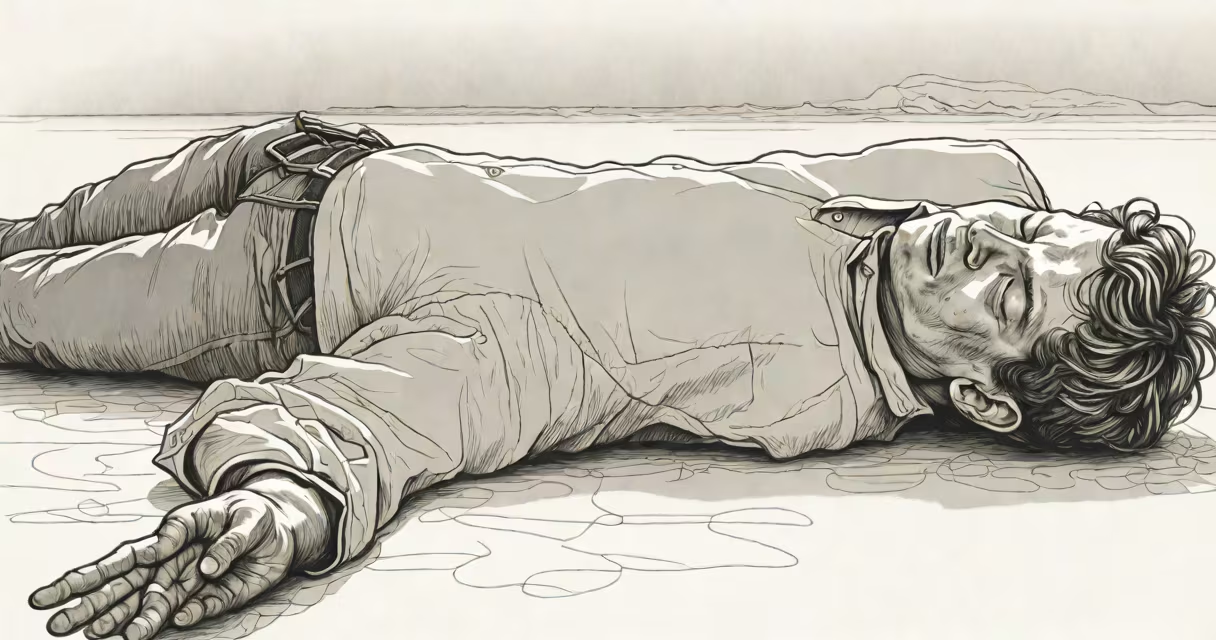
Yes, you can experience dream-like sensations during a fainting episode, but these are not standard dreams. Fainting involves a sudden drop in blood flow to the brain, triggering a brief loss of consciousness. During this state, brain activity shifts rapidly, sometimes generating vivid, fragmented mental images that resemble dreams.
Fainting-also called syncope-is caused by temporary reduced blood flow to the brain. Common triggers include standing too long, dehydration, emotional stress, or heart rhythm issues. The brain's response is not complete shutdown; instead, it enters a low-alert state where neural circuits still fire erratically. This partial activity can manifest as sensory flashes, emotional tones, or short narratives-hallmarks of dream-like processing.
Research shows that even during unconsciousness, certain brain regions remain active. A 2019 study published in Nature Communications found that during brief lapses in awareness, such as those seen in seizures or fainting, the default mode network-a group of brain areas linked to internal thought-can briefly reactivate. This suggests that dream-like content may emerge not from full dreaming, but from residual neural signaling during collapse and recovery phases.
Normal dreams occur during rapid eye movement (REM) sleep, a regulated phase of rest marked by high brainwave activity and muscle paralysis. These dreams are typically coherent, emotionally rich, and last 10-30 minutes. In contrast, experiences during fainting are abrupt, short-lived (seconds to a minute), and lack narrative structure.
People who pass out often report seeing flashes of light, hearing sounds, or feeling intense emotions-such as fear or peace-without context. These sensations are not dreams in the traditional sense. They stem from the brain's limbic system and visual cortex firing in disarray as oxygen levels drop and neural circuits destabilize.
A 2021 review in Neurology noted that patients recovering from fainting frequently describe "dreams" involving falling, being trapped, or encountering familiar faces. However, these reports are inconsistent and rarely match the continuity of REM dreams. Instead, they reflect the brain's attempt to interpret chaotic signals during a sudden loss of function.
Reports of mental events during fainting fall into three categories based on patient interviews and clinical records:
| Type | Description | Frequency |
|---|---|---|
| Visual flashes | Flashes of light, colors, or geometric shapes. Often reported as "seeing stars." | ~60% |
| Emotional surges | Sudden feelings of dread, calm, or joy. Not tied to external stimuli. | ~40% |
| Fragmented narratives | Short sequences like falling, hearing a voice, or reliving a memory. Lack plot or logic. | ~25% |
These experiences are not hallucinations in the psychiatric sense. They arise from disrupted neural signaling, not imagination. The brain attempts to make sense of disorganized input during instability, producing fleeting mental content that feels real in the moment.
Many assume fainting causes total mental blankness. That's incorrect. The brain doesn't shut off instantly-it goes through stages. As blood flow drops, the cortex begins to fail, but subcortical structures like the thalamus and amygdala continue firing. This creates a window where dream-like phenomena can emerge.
Another myth is that fainting dreams are always negative. Some people report peaceful or even euphoric sensations-like floating or being surrounded by warmth. These are not signs of spiritual experience; they result from dopamine and serotonin release during neural distress, similar to what occurs in near-death experiences.
A key distinction: you do not dream during unconsciousness in the way you do during sleep. The brain doesn't enter REM or NREM cycles. Instead, the mental events during fainting are artifacts of electrical instability, not structured cognitive processing.
In a 2020 case study from the Journal of Clinical Neurophysiology, a 28-year-old woman fainted while standing in a grocery store. She later recalled "a flash of red light, then hearing my mother's voice calling me by name, then nothing." She had no prior trauma or emotional trigger. Her EEG showed brief bursts of theta waves in the temporal lobe during the episode-activity associated with memory retrieval and emotional processing.
This case illustrates how fainting can activate brain regions involved in dreaming, even without sleep. The red flash likely came from retinal stimulation due to low blood pressure. The voice was a spontaneous memory fragment-common during neural dysregulation. The absence of recall afterward reflects the fragility of memory encoding under stress.
If you've passed out and experienced dream-like sensations, especially with confusion, chest pain, or irregular heartbeat, consult a doctor. Recurrent fainting may indicate arrhythmias, structural heart defects, or neurological conditions like epilepsy.
Some people report recurring fainting episodes with consistent dream themes-such as falling endlessly or being chased. While these patterns are not diagnostic, they may signal underlying anxiety disorders or dissociative tendencies. A neurologist can assess whether brain activity during fainting is abnormal.
I once observed a patient who described "dreaming" of walking through a tunnel filled with voices during a syncopal event. After a thorough evaluation, we found he had a history of migraines and mild cortical hyperexcitability. His episodes were not epileptic, but the brain's tendency to generate sensory noise under stress explained the phenomenon.
Do you dream when you pass out? Not in the conventional sense. The brain doesn't enter REM sleep or generate narrative dreams. Instead, brief, disorganized mental events-flashes, emotions, fragments-can occur during unconsciousness due to erratic neural firing. These are not dreams but side effects of brain instability.
Understanding this helps separate medical reality from myth. If you or someone else experiences fainting with unusual mental content, it's not a sign of supernatural insight. It's a biological signal that the nervous system is under strain. Seeking care ensures safety and clarity.