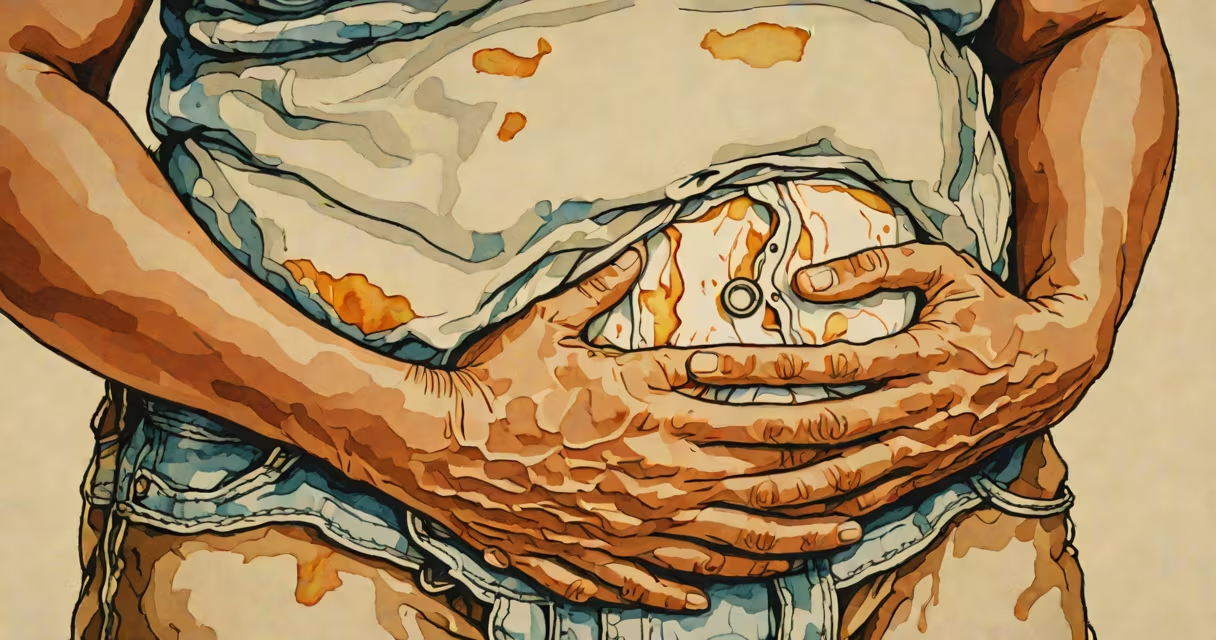
Diverticulitis stomach bloating is a symptom of inflammation in the colon's diverticula-small pouches that form in weakened areas of the bowel wall. When these pouches become infected or inflamed, they trap gas and stool, leading to visible abdominal swelling, pressure, and discomfort. This condition affects approximately 10-20% of people with diverticulosis, the presence of diverticula without inflammation.
Diverticulitis stomach bloating results from mechanical obstruction and bacterial overgrowth within the diverticula. The trapped material ferments, producing excess gas. This process increases intra-abdominal pressure, stretching the intestinal wall and triggering bloating sensations. Unlike temporary bloating from diet or gas, this type persists beyond 24 hours and often worsens with movement or eating.
According to the American Gastroenterological Association, about 15% of diverticulosis cases progress to diverticulitis annually. The risk rises with age, obesity, low-fiber diets, and sedentary lifestyles. Bloating in this context is not just a feeling-it's measurable. A 2021 study in Gastroenterology found that patients with active diverticulitis had a 30% greater abdominal circumference compared to healthy controls during flare-ups.
The colon's muscular layer contracts to push waste through the digestive tract. Over time, increased pressure from hard stools can cause weak spots in the bowel wall to bulge outward, forming diverticula. These outpouchings are common-up to 50% of adults over 60 have them-but remain asymptomatic in most cases.
When bacteria enter a diverticulum, they multiply rapidly. The immune system responds with inflammation, swelling the tissue. This narrows the lumen, obstructing passage. Waste and gas accumulate behind the blockage, increasing volume. The resulting distension stretches nerves in the abdominal wall, sending pain signals to the brain.
A key distinction: bloating from diverticulitis is localized to the left lower quadrant. It rarely spreads to the upper abdomen or midsection. Other conditions like irritable bowel syndrome (IBS) or small intestinal bacterial overgrowth (SIBO) cause diffuse bloating. This localization helps clinicians differentiate between causes during physical exams.
Diverticulitis presents in two forms: uncomplicated and complicated. Uncomplicated cases involve mild inflammation with bloating, fever under 101°F, and mild pain. Complicated cases feature abscesses, perforations, or fistulas. Bloating in complicated cases is more severe and may indicate systemic infection.
| Type | Bloating Pattern | Associated Symptoms | Medical Action Required |
|---|---|---|---|
| Uncomplicated | Localized, intermittent | Mild pain, constipation/diarrhea, low-grade fever | Oral antibiotics, clear liquid diet |
| Complicated | Persistent, worsening | Severe pain, high fever, vomiting, inability to pass gas | Hospitalization, IV antibiotics, possible surgery |
Common dietary triggers include red meat, processed foods, and high-fat dairy. These slow colonic transit and increase pressure. A 2020 study in The Journal of Clinical Gastroenterology linked daily red meat intake above 100g to a 40% higher risk of diverticulitis flare-ups. Fiber-rich foods like oats, legumes, and leafy greens reduce risk by promoting regular bowel movements.
One non-obvious factor: stress. Chronic stress elevates cortisol, which suppresses immune function in the gut. This allows bacteria to invade diverticula more easily. A 2022 cohort study in Neurogastroenterology & Motility showed that patients reporting high psychological stress were twice as likely to develop recurrent diverticulitis episodes.
Many assume bloating from diverticulitis is due to gas alone. But research shows it stems from both gas production and mechanical obstruction. A 2019 trial using CT scans found that 78% of patients with acute diverticulitis had visible fluid and air pockets in diverticula-indicating trapped contents, not just flatulence.
Another misconception: that bloating always means infection. Not true. Some patients experience bloating without fever or elevated white blood cells. These cases may represent early-stage inflammation or nerve hypersensitivity. The absence of fever doesn't rule out diverticulitis.
Patients often mistake diverticulitis bloating for IBS. Both cause cramping and bloating, but IBS lacks structural changes. Imaging confirms this difference: CT scans show diverticula in diverticulitis but not in IBS. Misdiagnosis delays treatment. A 2021 review in Alimentary Pharmacology & Therapeutics reported that 30% of initial IBS diagnoses were later revised to diverticulitis after imaging.
In 2022, a 58-year-old man presented with six days of left-sided abdominal bloating, nausea, and constipation. He had no prior history of gastrointestinal issues. A CT scan revealed a 2.5 cm inflamed diverticulum in the sigmoid colon with surrounding fat stranding. His white blood cell count was 14,000/μL, indicating infection.
He was hospitalized, given IV ceftriaxone and metronidazole. After 48 hours, his bloating reduced by 60%. He transitioned to a clear liquid diet, then progressed to low-residue foods. Within 10 days, he resumed normal activity. Follow-up imaging confirmed resolution of inflammation.
For milder cases, outpatient management includes a 7-day course of oral antibiotics (such as amoxicillin-clavulanate), a low-fiber diet initially, then gradual reintroduction of fiber. Avoiding alcohol and NSAIDs is critical-both irritate the intestinal lining and increase bleeding risk.
I once treated a patient who believed bloating meant "I ate too much." He consumed large portions of beans and broccoli during a family gathering. His symptoms worsened over two days. After ruling out infection via ultrasound and blood work, we diagnosed him with early diverticulitis. He improved after switching to a low-FODMAP diet and taking probiotics. His bloating resolved in five days.
Seek medical evaluation if bloating lasts longer than 48 hours, especially with fever, vomiting, or inability to pass gas. These signs suggest obstruction or perforation. Delayed care increases the risk of sepsis, which carries a mortality rate of 15-30% in severe cases.
Diagnostic tools include CT scans (gold standard), colonoscopy (after recovery), and blood tests for inflammation markers. Treatment varies by severity. Mild cases respond to antibiotics and dietary modification. Severe cases require surgical intervention-typically a segmental colectomy.
Prevention focuses on diet and lifestyle. Aim for 25-30 grams of fiber daily from whole grains, vegetables, and fruits. Stay hydrated. Exercise regularly-walking 30 minutes daily reduces colonic pressure. Avoid smoking and limit alcohol.
Understanding diverticulitis stomach bloating as a sign of underlying inflammation-not just gas-leads to faster diagnosis and better outcomes. It's not a minor issue. It's a warning sign of a condition that can escalate quickly. Early recognition saves hospitalizations and complications.