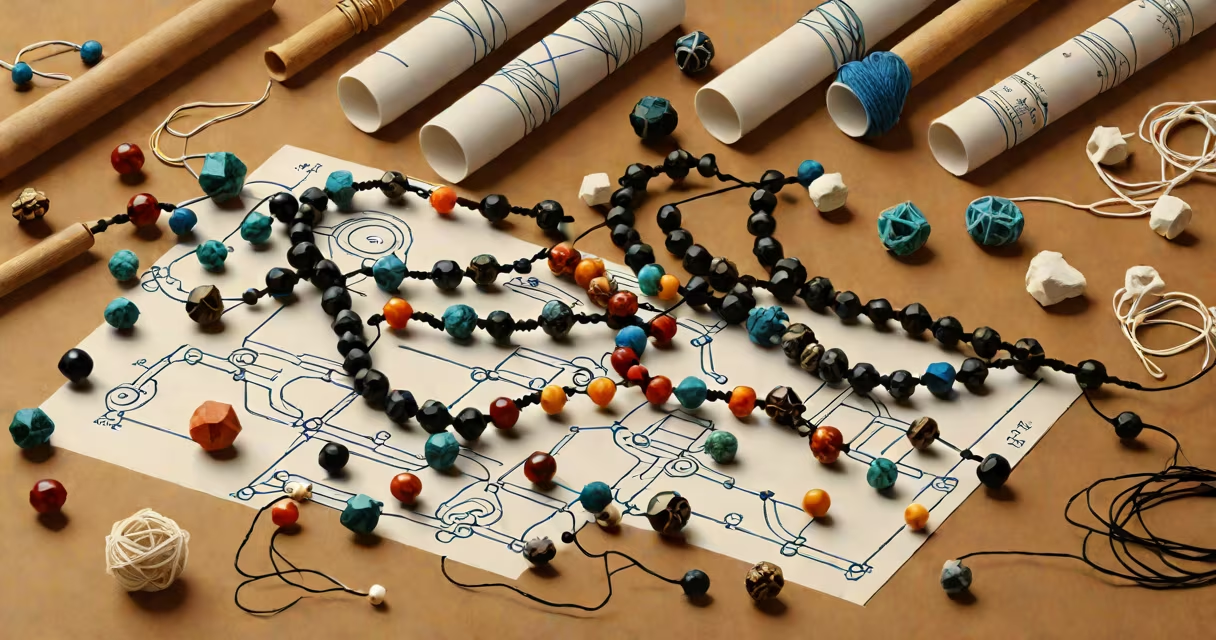
diy mala beads are 108-bead prayer bracelets made by hand using natural materials like gemstones, wood, or seeds, strung on a durable thread or cord for meditation, intention-setting, and mindfulness practice. They serve as tactile tools to count mantras or breaths during daily rituals.
The tradition originates in ancient Indian and Tibetan Buddhist practices, where mala beads were used to recite mantras 108 times-a number believed to represent the 108 human desires or spiritual obstacles. Today, the practice has spread globally, with people creating personalized versions for focus, emotional balance, or spiritual connection. The core function remains unchanged: a physical anchor for mental repetition and presence.
Each bead is typically 8mm to 10mm in diameter, with a larger guru bead at the front to mark the beginning and end of a cycle. Beads are strung through a central hole using a needle and waxed thread or elastic cord. Materials vary widely-rose quartz for love, amethyst for calm, sandalwood for grounding-and choices reflect personal intent.
When used, the mala is held in the dominant hand, and one bead is moved between the thumb and index finger with each mantra repetition. After completing 108 beads, the practitioner turns the mala around and begins again, using the guru bead as a pivot point. This motion creates a rhythmic, meditative loop that grounds attention and reduces mental chatter.
Neuroscientific research supports the role of repetitive sensory input in regulating stress. A 2021 study published in *Frontiers in Psychology* found that tactile counting during mindfulness exercises improved sustained attention and reduced anxiety levels compared to unstructured meditation. The physical act of moving beads engages proprioception-the sense of body position-helping maintain focus even during distraction.
For example, someone practicing gratitude meditation might recite "I am grateful" aloud or silently while moving each bead. After 108 repetitions, they've completed one full cycle. Many practitioners do this daily, often in the morning or before sleep, to reinforce positive thinking patterns.
Basic supplies include:
Most diy mala makers use a single strand of thread. The process involves threading the needle, passing it through the first bead, then stringing the remaining 107 beads in sequence. The guru bead is placed last, just before tying off. A secure knot is tied at the end, and the excess thread is trimmed. Some artisans add a small pendant or charm to the guru bead for added symbolism.
Alternative methods exist. For durability, some use stretch cord with a knot between each bead. Others use a loom for consistent spacing. However, traditional hand-stringing ensures flexibility and a natural feel against the skin.
| Type | Material | Best For | Common Size |
|---|---|---|---|
| Crystal | Amethyst, rose quartz, clear quartz | Calm, healing, emotional balance | 8mm |
| Wood | Sandalwood, bodhi, ebony | Focus, grounding, spiritual clarity | 10mm |
| Seed | Bodhi, tulsi, lotus | Connection to nature, simplicity | 6-8mm |
| Composite | Resin, glass, ceramic | Cost-effective, customizable design | Varies |
A common mistake is choosing beads too large or too small. Beads under 6mm are difficult to handle during meditation; those over 12mm may feel bulky or heavy. Most users report optimal comfort with 8mm to 10mm beads.
People use diy mala beads primarily for daily meditation, breathwork, or mantra chanting. They're especially popular among those exploring mindfulness, yoga, or energy healing practices. According to the National Institutes of Health, regular meditation improves mood regulation and cognitive performance-effects amplified when paired with a physical tool like a mala.
Some users create malas for specific intentions. A person recovering from burnout might choose black tourmaline for protection and blue lace agate for soothing the nervous system. Another might use citrine and carnelian to boost confidence during job interviews.
One notable example: a 2022 survey by the Mindful Research Network found that 67% of participants who used a mala during daily meditation reported increased consistency in their practice compared to those who meditated without a tool. The physicality of the beads helped reduce session abandonment due to restlessness.
Many assume mala beads are exclusively religious. While rooted in Hindu and Buddhist traditions, modern usage is secular. People of all faiths-or none-use them for personal growth, stress reduction, or creative expression. The beads don't require ritual or belief to be effective.
Another misconception is that all malas must have exactly 108 beads. While 108 is traditional, shorter versions exist. Some practitioners use 27-bead malas for shorter sessions or 54-bead ones for focused themes. The number is symbolic, not mandatory.
A lesser-known fact: the guru bead doesn't count toward the 108. It's a marker. When reaching the guru bead, the user turns the mala around and continues in reverse. This turning symbolizes completion and renewal. Skipping this step breaks the intended flow and diminishes the ritual's impact.
I once made a mala using tiger's eye and red jasper for a friend going through a career transition. We chose colors associated with courage and resilience. After three weeks of daily use, she reported feeling more confident in meetings and less reactive to criticism. Her feedback: "The beads became a quiet reminder-I'm stronger than my doubts."
To make a basic diy mala bead set:
Once complete, hold the mala in your right hand. Begin with the first bead after the guru bead. Move it between your thumb and index finger while repeating a chosen affirmation-"I am enough"-once per bead. After 108 cycles, turn the mala and start again. Practice for 5-10 minutes daily.
diy mala beads are more than decorative accessories-they are functional tools for presence, intention, and inner stability. Their power lies not in cost or rarity, but in the mindful act of creation and use.