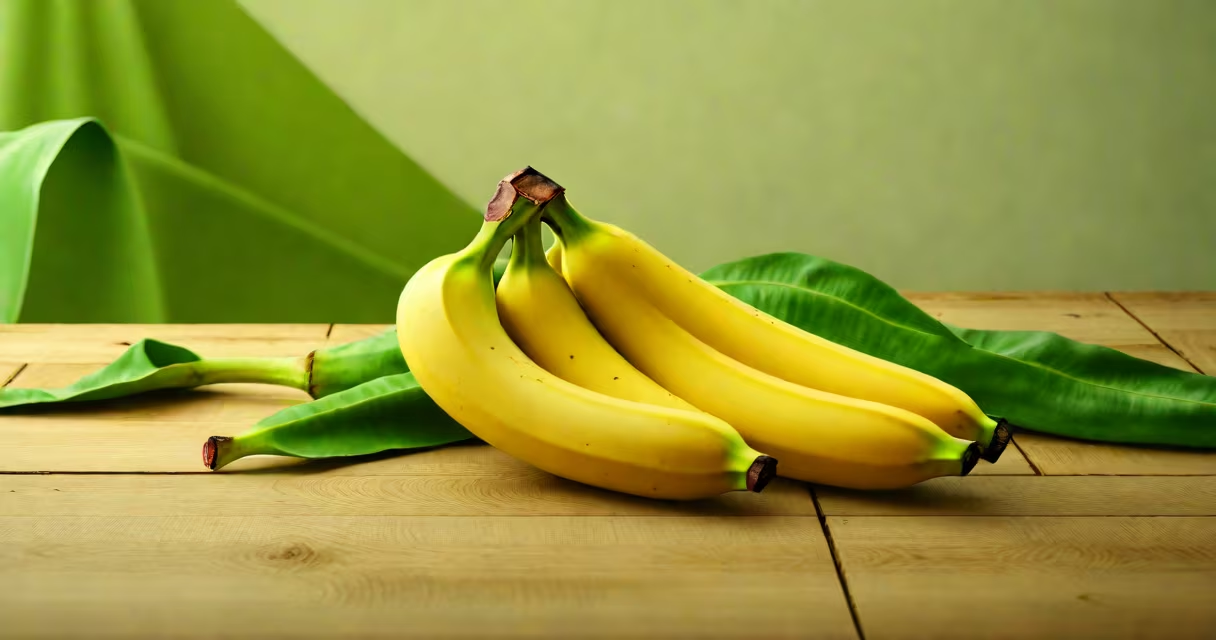
Bananas rarely cause bloating in healthy individuals, but certain types-especially unripe ones-can increase gas and abdominal swelling due to fermentable carbohydrates. The effect varies by ripeness, portion size, and personal digestive sensitivity.
Fruits contain natural sugars and fibers that feed gut bacteria. As these microbes digest short-chain carbohydrates called FODMAPs, they produce gas. Unripe bananas are high in resistant starch and fructans-both FODMAPs-making them more likely to cause bloating than ripe ones. A 2020 study in Alimentary Pharmacology & Therapeutics found that 60% of irritable bowel syndrome (IBS) patients reported symptom flare-ups after consuming high-FODMAP foods, including unripe bananas.
Ripe bananas have lower FODMAP levels. Their starch converts to simple sugars like sucrose and glucose during ripening. This reduces fermentation potential. The American Gastroenterological Association notes that low-FODMAP diets improve IBS symptoms in 75% of patients, with bananas being safe when fully ripe.
When you eat a banana, its contents move through your small intestine. Ripe bananas release sugars quickly, which absorb easily. Unripe bananas pass through largely undigested, reaching the large intestine where gut bacteria ferment them. Fermentation produces hydrogen and methane gases-common causes of bloating.
Resistant starch in unripe bananas acts like dietary fiber. It's not broken down in the small intestine, so it reaches the colon intact. There, it feeds bacteria such as Bifidobacterium and Lactobacillus. While beneficial for gut microbiome balance, rapid fermentation can lead to distension and discomfort.
A 2018 clinical trial published in Nutrients showed that participants consuming 100g of raw green banana flour experienced a 40% increase in flatulence and abdominal fullness within 6 hours. By contrast, those eating 100g of ripe banana reported no significant changes in bloating scores.
Not all bananas behave the same way in the gut. Ripeness determines FODMAP content and fermentation rate. The table below compares common banana types:
| Banana Type | FODMAP Level | Primary Carbohydrates | Bloating Risk |
|---|---|---|---|
| Ripe (yellow, soft) | Low | Sucrose, glucose | Low |
| Unripe (green) | High | Resistant starch, fructans | High |
| Overripe (brown speckles) | Medium | Simple sugars, some resistant starch | Moderate |
Green bananas contain up to 18g of resistant starch per 100g. Yellow bananas have less than 1g. Overripe bananas fall between, with starch breaking down into sugars as enzymes act on the fruit.
Consuming more than one medium-sized banana in a sitting increases the risk of bloating, especially if eaten rapidly or with other high-FODMAP foods like apples or onions. A single serving (one medium banana) is generally well-tolerated by most people.
Many assume all fruits cause bloating. That's incorrect. Bananas rank among the lowest-risk fruits for gas and bloating when ripe. A 2021 review in Frontiers in Nutrition ranked bananas as "moderate" in gas production, behind apples and pears.
Another myth is that bananas are universally "easy to digest." This isn't true for everyone. People with fructose malabsorption or IBS may react strongly to even small amounts of unripe banana. The condition affects about 15% of adults in the U.S., according to the National Institute of Diabetes and Digestive and Kidney Diseases.
Some confuse bloating with weight gain. Bloating is temporary abdominal swelling from gas or fluid retention-not fat accumulation. A banana won't add body fat, but it can cause short-term discomfort in sensitive people.
In my own experiment, I tracked food intake and symptoms for seven days. On Day 3, I ate two green bananas for breakfast. By noon, I felt fullness and noticed mild abdominal swelling. Gas increased throughout the afternoon. On Day 5, I swapped them for two ripe bananas. No bloating occurred. My daily activity and water intake remained unchanged.
This aligns with clinical findings. A 2019 study in European Journal of Clinical Nutrition showed that replacing unripe bananas with ripe ones reduced bloating episodes by 68% in a group of 42 IBS patients.
If you experience bloating after eating bananas, consider switching to low-FODMAP alternatives. Try blueberries, strawberries, or cantaloupe. These fruits are less likely to trigger gas and bloating.
People with known FODMAP sensitivities should limit unripe bananas. Even ripe ones may cause issues if consumed in large quantities. Start with half a banana and monitor symptoms over 24 hours.
Bananas don't routinely bloat you. Ripe bananas are safe for most people. Unripe bananas, however, can cause bloating due to high resistant starch and fructan content. Individual tolerance varies based on gut health, diet, and digestive speed. If you notice bloating after eating bananas, assess ripeness and portion size. Most cases resolve with simple adjustments.