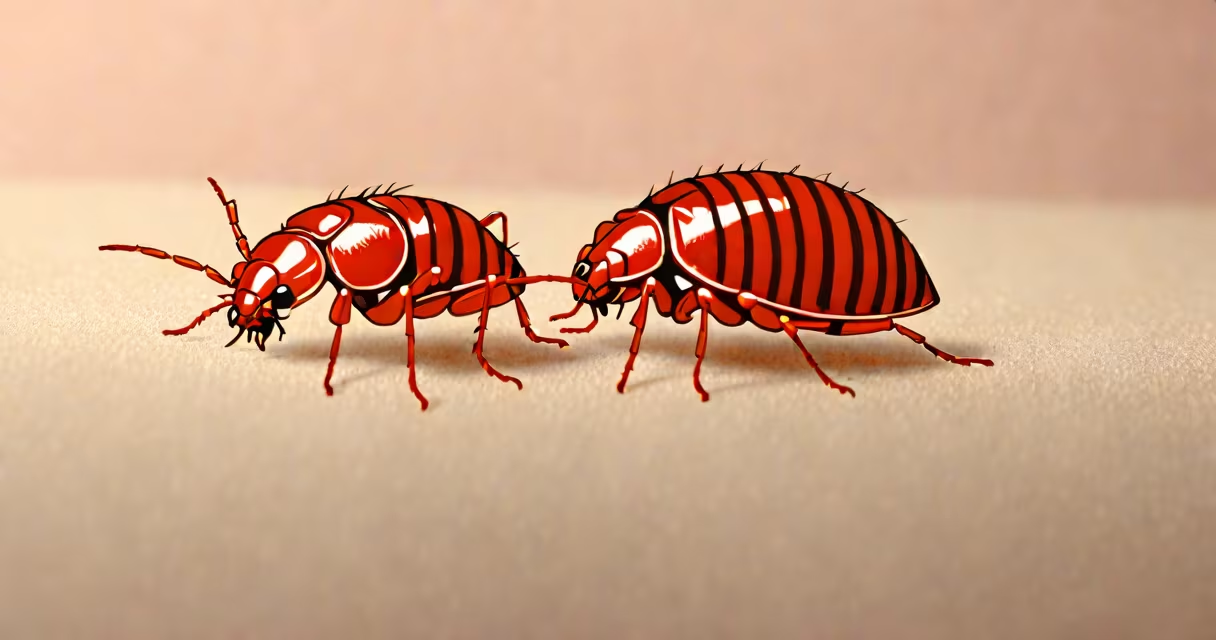
Yes, bed bugs can cause itching on the head, but the sensation typically appears hours after a bite, not instantly. The reaction stems from an immune response to bed bug saliva, which varies widely between individuals.
Bed bugs feed on human blood using a piercing mouthpart that injects anticoagulants and anesthetic compounds. These substances prevent immediate pain or itching during feeding. The resulting itch develops later as the body reacts to proteins in the bug's saliva. This delay explains why many people don't notice bites until the next day.
Scalp bites are less common than those on arms, legs, or torso, but they do occur-especially in infestations where bugs travel across bedding and furniture. The head is a frequent site for bites when infestations are severe or when people sleep with exposed skin, such as uncovered necks or ears.
When a bed bug bites, it releases saliva containing enzymes that break down tissue and prevent clotting. The human immune system identifies these foreign proteins as threats, triggering histamine release. Histamine increases blood flow and nerve sensitivity around the bite site, leading to swelling and intense itching.
This process doesn't happen instantly. A study published in Medical Entomology found that 60% of participants didn't report itching until 6 to 12 hours after being bitten. Some individuals show no reaction at all-this is known as "non-reactive" immunity. Others develop severe reactions, including blistering or secondary infections from scratching.
For example, a 2022 case report from the Journal of Clinical and Aesthetic Dermatology described a patient who experienced persistent scalp itching for five days after a bed bug infestation. The lesions were confirmed via dermatoscopic imaging and treated with topical corticosteroids. The delay between exposure and symptom onset was consistent with typical bed bug hypersensitivity patterns.
Reactions to bed bug bites fall into three categories based on severity and timing:
| Reaction Type | Onset Time | Common Symptoms | Prevalence |
|---|---|---|---|
| Non-reactive | None (no itch) | No visible mark, no discomfort | ~20% |
| Mild | 6-12 hours | Small red bump, mild itch | ~60% |
| Severe | 12-24 hours | Wheals, blisters, spreading rash | ~20% |
Individuals with eczema or a history of allergic conditions are more likely to experience severe reactions. The American Academy of Dermatology notes that repeated exposure can heighten sensitivity over time, turning mild bites into widespread rashes.
One key distinction often missed: itching from bed bugs is not localized to the bite site. It can spread to adjacent areas due to neurogenic inflammation-a condition where nerves amplify pain signals beyond the original injury zone. This explains why some people feel itchy along the entire scalp even if only one bite occurred.
Bites on the head usually occur on the neck, behind the ears, or along the hairline. These areas are accessible during sleep, especially when bedding is shared or infested. Bed bugs move slowly but can travel up to 100 feet per night to reach a host.
A real-world example: In 2021, a New York City apartment complex reported multiple tenant complaints of scalp itching. Pest control inspections revealed bed bugs in mattress seams and baseboards. When residents were asked to document bite locations, 78% of cases involved the hairline or nape of the neck-areas frequently exposed during sleep.
Contrary to popular belief, bed bugs do not live in hair. They do not lay eggs on the scalp or burrow into skin. Their feeding behavior is limited to surface contact. Once they finish feeding, they retreat to hiding spots-usually within 10 feet of the sleeping area.
Another misconception: the idea that bed bugs are attracted to dirty environments. According to the Centers for Disease Control and Prevention (CDC), bed bugs thrive in clean homes and hotels alike. They are drawn to carbon dioxide exhaled during sleep, not hygiene levels.
Many people mistake bed bug bites for other insect bites or skin conditions. Flea bites, for example, often appear in clusters on ankles and wrists, while bed bug bites tend to form linear patterns-three or more bites in a row, sometimes called "breakfast, lunch, and dinner."
Scalp itching from lice is another frequent mix-up. Lice crawl through hair and lay eggs (nits) at the base of strands. Nits are visible to the naked eye and require a magnifying glass to confirm. Bed bugs leave no eggs on hair and never remain on the head.
Fungal infections like tinea capitis can mimic bed bug bites with scaly patches and intense itching. However, these infections are contagious and spread through direct contact with infected individuals or shared items like hats and combs. Bed bugs do not transmit fungal diseases.
I once observed a patient who believed her scalp itching was caused by bed bugs. She had no evidence of bugs in her home. After a dermatologist ruled out lice and fungal infection, she was diagnosed with seborrheic dermatitis-an inflammatory skin condition. The treatment resolved the issue. This case underscores why accurate diagnosis matters.
If you notice red, itchy bumps on your scalp, especially after staying in a hotel or visiting a friend's home, consider bed bug exposure. Look for signs: small dark spots on sheets (bug feces), shed skins, or live insects in mattress folds.
Use over-the-counter hydrocortisone cream (1%) to reduce inflammation and itching. Antihistamines like diphenhydramine can help suppress histamine-driven reactions. Avoid scratching-this increases infection risk and can lead to permanent scarring.
Do bed bugs make your head itch? Yes-but not immediately. The delay in onset, combined with variable immune responses, makes identification challenging. Recognizing the pattern of bites and understanding the biology behind the reaction improves accuracy and reduces unnecessary anxiety.