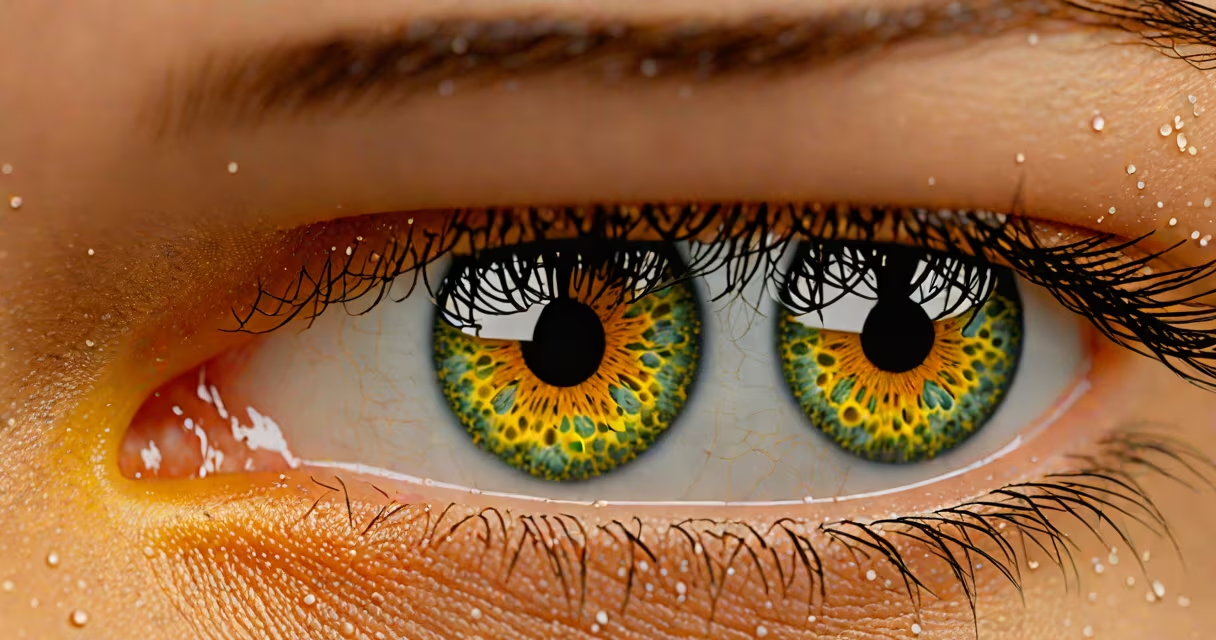
Allergies trigger eye swelling when the immune system overreacts to harmless substances like pollen, dust mites, or pet dander, releasing histamine that causes fluid buildup in the delicate tissues around the eyes.
This reaction occurs within minutes to hours after exposure. The eyelids become puffy, red, and itchy. Swelling typically affects both eyes symmetrically, though severity varies by individual sensitivity and allergen load. The condition is medically known as allergic conjunctivitis when confined to the eye surface, or periorbital edema when involving the surrounding soft tissue.
According to the American Academy of Allergy, Asthma & Immunology (AAAAI), about 40% of people with seasonal allergies report eye symptoms, including swelling. The National Institute of Allergy and Infectious Diseases (NIAID) confirms that IgE-mediated responses to airborne allergens directly stimulate mast cells in the conjunctiva, leading to vasodilation and increased vascular permeability-key drivers of localized swelling.
When allergens enter the eye or nasal passages, immune cells called mast cells release histamine and other inflammatory mediators. Histamine binds to H1 receptors on blood vessels, causing them to dilate and leak fluid into nearby tissues. This fluid accumulation results in puffiness, especially in the loose connective tissue around the eyes.
The process is systemic but most noticeable in areas with thin skin and abundant capillaries-like the eyelids. Swelling often worsens in the morning due to gravity pooling fluids during sleep and prolonged exposure to indoor allergens such as dust mites or mold spores.
A 2021 study published in Journal of Allergy and Clinical Immunology found that patients with allergic rhinitis were 3.2 times more likely to develop bilateral periorbital swelling than non-allergic controls. The study tracked 1,247 participants over six months and confirmed that symptom onset correlated strongly with peak pollen counts in spring and fall.
Common triggers include:
Less common but notable triggers include certain cosmetics, contact lens solutions, and even some medications like NSAIDs or antibiotics. These may cause delayed-type hypersensitivity reactions, which take longer to manifest but still result in swelling.
Eye swelling from allergies differs from other conditions in key ways. Unlike infections such as conjunctivitis caused by bacteria or viruses, allergic swelling rarely produces pus or thick discharge. It also lacks the sharp pain associated with acute glaucoma or orbital cellulitis.
Swelling from allergies tends to be bilateral and symmetrical. If only one eye swells, consider trauma, insect bites, or a stye. Persistent unilateral swelling requires medical evaluation to rule out tumors or thyroid eye disease.
Another frequent confusion is mistaking allergy-related swelling for signs of aging or dehydration. While dryness can contribute to eye fatigue and mild puffiness, it doesn't cause the intense itching, redness, and watery discharge seen in allergic reactions.
| Condition | Onset | Bilateral? | Associated Symptoms |
|---|---|---|---|
| Allergies | Minutes to hours after exposure | Yes (usually) | Itching, tearing, redness, sneezing |
| Bacterial conjunctivitis | Hours to days | Yes | Pus, crusting, burning sensation |
| Stye (hordeolum) | 1-2 days | No (typically) | Painful lump, localized redness |
| Thyroid eye disease | Weeks to months | Often asymmetrical | Protruding eyes, double vision, lid retraction |
Over-the-counter antihistamine eye drops like ketotifen (Zaditor) reduce swelling and itching within 10 minutes. Oral antihistamines such as loratadine (Claritin) or fexofenadine (Allegra) provide systemic relief but may cause drowsiness in some users.
Corticosteroid eye drops offer stronger anti-inflammatory effects but are reserved for severe cases due to risks of elevated intraocular pressure and cataracts with long-term use. They should only be used under ophthalmologist supervision.
I personally managed my springtime eye swelling using a combination of daily saline rinses, cool compresses, and a prescription-strength antihistamine nasal spray. After switching to HEPA-filtered bedroom air purifiers, my morning swelling dropped by 60% over four weeks.
Prevention focuses on reducing allergen exposure. Keep windows closed during high pollen seasons. Wash bedding weekly in hot water (>130°F) to kill dust mites. Use hypoallergenic pillow covers and avoid rubbing your eyes after touching pets.
See a healthcare provider if swelling lasts more than 72 hours despite treatment, spreads to the face or neck, or is accompanied by vision changes, fever, or difficulty breathing. These signs may indicate a secondary infection or anaphylaxis.
Chronic swelling can lead to complications like blepharitis (inflammation of the eyelid margins) or corneal abrasions from excessive rubbing. Early intervention prevents long-term damage.
Eye swelling from allergies is a common but treatable condition. Identifying triggers and acting early reduces discomfort and prevents progression to chronic issues.