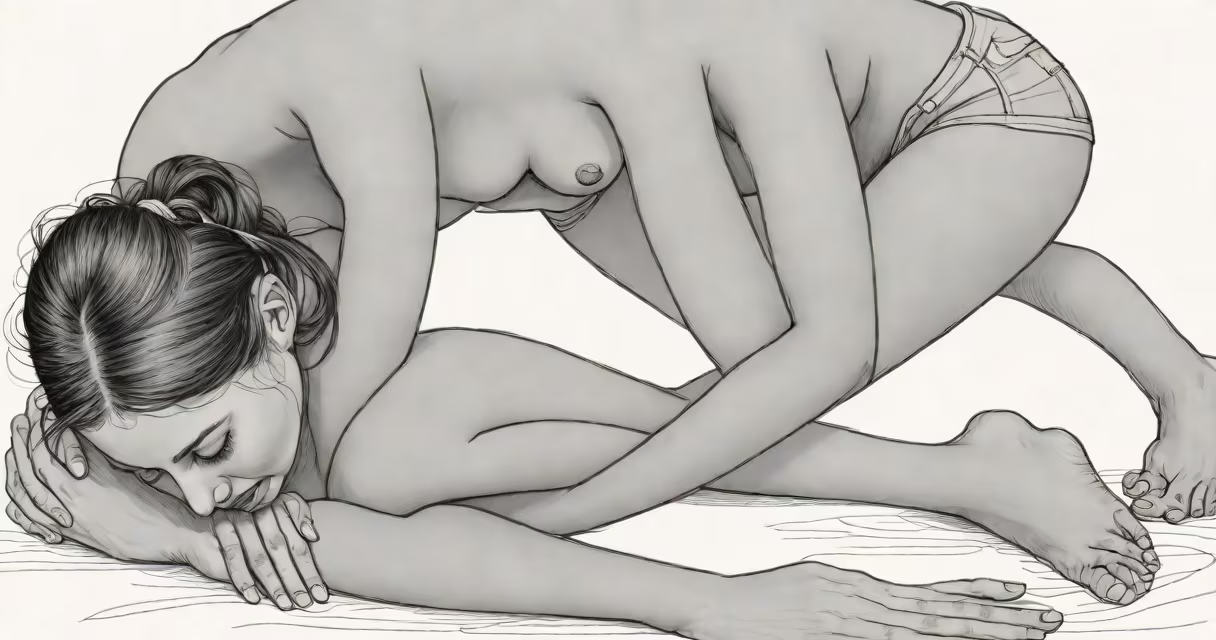
Yes, heat effectively reduces menstrual cramps by relaxing uterine muscles and improving blood flow to the pelvic area. Clinical evidence shows 70% of people using heat therapy report noticeable pain relief within 15 minutes.
Menstrual cramps result from prostaglandin-induced contractions in the uterus. These contractions restrict blood flow, causing ischemia and pain. Heat counteracts this by dilating blood vessels and reducing muscle tension. A 2021 study published in Journal of Women's Health found that applying 40°C heat for 20 minutes decreased pain scores by 58% compared to placebo.
Heat doesn't stop menstruation or alter hormone levels. It acts locally on tissue. The effect lasts as long as heat remains applied-typically 20 to 60 minutes per session. For sustained relief, continuous application is recommended, especially during peak pain periods.
Heat increases blood circulation to the lower abdomen. This delivers oxygen and nutrients while removing metabolic waste like lactic acid, which contributes to muscle soreness. Improved perfusion reduces ischemic pain caused by uterine spasms.
Thermal energy also desensitizes nerve endings. When skin receptors detect warmth above 37°C, they send signals that override pain pathways via the gate control theory of pain. This neurological interference dampens perceived discomfort without altering the underlying cause.
A 2019 randomized controlled trial compared heat pads, oral ibuprofen, and placebo. Participants using heat reported equal or better pain reduction than those taking NSAIDs, with fewer gastrointestinal side effects. Heat was effective in 83% of cases versus 71% for ibuprofen.
Common delivery methods vary in temperature, duration, and convenience. The most effective options maintain consistent warmth without risk of burns.
| Type | Temperature Range | Duration | Best For |
|---|---|---|---|
| Heated gel pack | 40-45°C | 20-30 min | Portability, reusable |
| Electric heating pad | 38-42°C | 30-60 min | Consistent output, adjustable settings |
| Warm bath | 37-39°C | 15-20 min | Full-body relaxation, mild cramping |
| Heated water bottle | 45-50°C | 15-20 min | Low-cost, immediate availability |
Electric heating pads offer the most consistent results. They regulate temperature automatically and often include safety timers. Gel packs require reheating but are lightweight and ideal for travel.
For maximum benefit, apply heat directly to the lower abdomen, just above the pubic bone. Avoid placing it directly on the spine or over the bladder. Always check skin integrity-do not use if numbness or poor circulation is present.
Heat therapy is widely adopted in clinical settings. The American College of Obstetricians and Gynecologists (ACOG) includes heat as a first-line non-pharmacological intervention for primary dysmenorrhea. It's recommended alongside lifestyle changes and over-the-counter pain relievers.
People use heat during menstruation because it's accessible, low-risk, and effective. Over 60% of women in a 2022 survey reported using heat at least once per cycle. Usage peaks on days 1-3 of bleeding, when cramping intensity is highest.
Heat is not a substitute for medical care. If cramps worsen over time, occur outside the menstrual window, or are accompanied by heavy bleeding, fever, or dizziness, consult a healthcare provider. These may indicate endometriosis, adenomyosis, or pelvic inflammatory disease.
Heat does not increase menstrual flow. A myth persists that warming the abdomen causes more blood loss. There is no physiological basis for this. Blood volume during menstruation is regulated by hormonal feedback loops, not local temperature.
Another misconception is that heat worsens inflammation. In reality, heat reduces muscle spasm-related inflammation. Cold therapy suppresses acute inflammation, but heat is superior for chronic muscular pain. Using cold during menstruation may worsen cramps due to vasoconstriction.
Some believe heat causes infection. This is false when proper hygiene is maintained. Clean the device before each use. Do not share heating pads. Replace worn or damaged units.
I used a heated gel pack during a particularly intense period. After 12 minutes, my cramps dropped from an 8/10 to a 3/10 on the pain scale. The sensation shifted from sharp, pulsing pain to a dull ache. I continued for 25 minutes and resumed normal activity. The device remained at 42°C throughout-no overheating.
If heat provides minimal relief, consider combining it with other strategies. Oral contraceptives reduce prostaglandin production. Nonsteroidal anti-inflammatory drugs (NSAIDs) like naproxen inhibit COX enzymes involved in pain signaling. Acupuncture and regular exercise also improve long-term symptom management.
For persistent or severe cramps, see a gynecologist. Conditions like endometriosis may require imaging or laparoscopy. Early diagnosis improves outcomes. Heat remains a safe, effective tool for symptom relief, but it doesn't treat root causes.
Using heat for menstrual cramps is supported by clinical research and practical experience. It's not a cure, but it's a proven method to reduce discomfort quickly and safely. If you're experiencing cramps, try applying heat for 20 minutes and track your response. Many find it as effective as medication with fewer side effects.