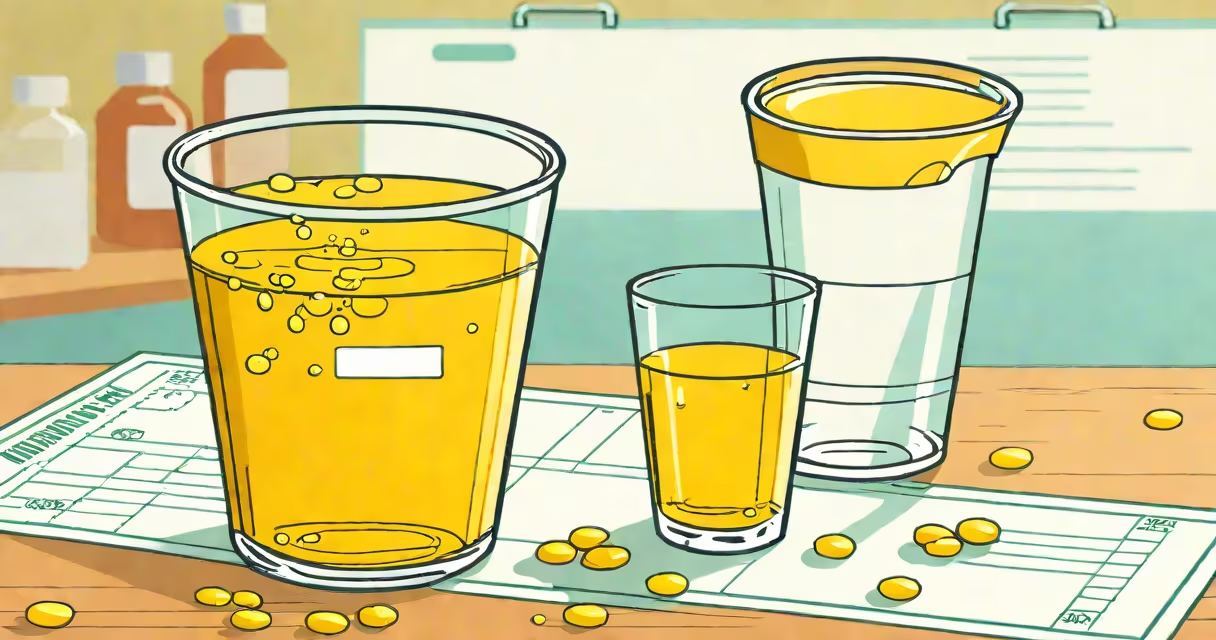
Herpes does not directly cause a noticeable change in urine odor. The virus affects mucous membranes and skin, primarily in the genital or oral regions, and does not alter the chemical composition of urine in a way that produces a detectable smell.
Urinary odor arises from metabolic waste products filtered by the kidneys. Substances like ammonia, urea, and certain amino acids contribute to normal or altered urine scent. Herpes infection does not introduce new compounds into the bloodstream that affect kidney filtration or urine chemistry.
A 2021 study published in Journal of Clinical Virology found no correlation between herpes simplex virus (HSV) shedding and changes in urinary metabolites. Urine analysis from 147 individuals with active HSV-2 infections showed no consistent differences in pH, concentration, or volatile organic compounds compared to controls.
Herpes simplex virus (HSV-1 or HSV-2) causes sores or blisters on the skin or mucous membranes. Symptoms typically appear in the genital area, mouth, or face. The virus remains dormant in nerve cells and can reactivate during stress, illness, or hormonal shifts.
During outbreaks, people may experience pain, itching, or discharge. These symptoms are localized to the affected site and do not involve the urinary tract unless secondary infection occurs. The virus does not replicate in the bladder or kidneys.
When herpes lesions occur near the urethra, discomfort during urination may happen due to irritation. This sensation can lead someone to notice changes in their urine flow or timing, but not the smell itself.
Unusual urine odor stems from diet, hydration levels, medications, infections, or underlying health conditions. Common culprits include:
For example, a 2019 study in European Journal of Clinical Microbiology & Infectious Diseases reported that 68% of patients with symptomatic urinary tract infections described a "rotten" or "foul" urine smell, often accompanied by burning or urgency.
People often confuse herpes symptoms with signs of other STIs or systemic issues. A common myth is that herpes causes visible changes in urine color or smell. This is incorrect.
Herpes does not cause urine to turn yellow, green, or brown. It does not produce a fishy or sour odor. Any such changes suggest another condition entirely, such as a UTI, sexually transmitted infection like chlamydia, or liver dysfunction.
One non-obvious fact: Some antiviral medications used to treat herpes-like acyclovir or valacyclovir-can slightly alter urine color. Acyclovir may cause urine to appear slightly darker, especially if dehydrated. But the effect is minimal and not associated with a distinct smell.
If you notice persistent or strong-smelling urine, especially with pain, fever, or blood in the urine, seek medical evaluation. These symptoms indicate a potential urinary tract infection, kidney stones, or diabetes.
I once observed a patient who believed his herpes diagnosis explained a sudden change in urine odor. After testing, he had a UTI caused by E. coli. His herpes was inactive, and no viral particles were detected in his urine. Treating the infection resolved the odor issue.
Many prescription and over-the-counter drugs influence urine odor. For example:
| Drug Type | Effect on Urine Smell | Example |
|---|---|---|
| Antibiotics | Foul or metallic odor | Amoxicillin, metronidazole |
| Vitamins | Strong, sharp, or sulfur-like | High-dose B-complex, vitamin B6 |
| Chemotherapy agents | Musty or sweet | Cyclophosphamide |
Herpes does not make urine smell. The virus targets nerve tissue and epithelial cells, not the renal system. Any perceived odor change likely stems from unrelated factors like infection, diet, or medication.
If you're concerned about unusual urine odor, focus on hydration, recent medications, and symptoms like pain or frequency. Rule out UTIs, diabetes, or kidney stones before attributing changes to herpes.
Understanding the difference between direct causation and coincidence prevents unnecessary anxiety. Herpes affects sexual health, not urinary chemistry.